Jessica’s Story – Gastroparesis
After an infection on her honeymoon left her stomach paralysed, Jessica waited six years to be diagnosed with gastroparesis. Read her honest account of navigating daily sickness, challenging misconceptions, and finding information and support through Guts UK.
Note: At Guts UK, we want our stories to be easy for everyone to understand. If any medical terms in Jessica’s story are unfamiliar, you can find definitions in our medical glossary at the bottom of this page.
Tell us a little about yourself
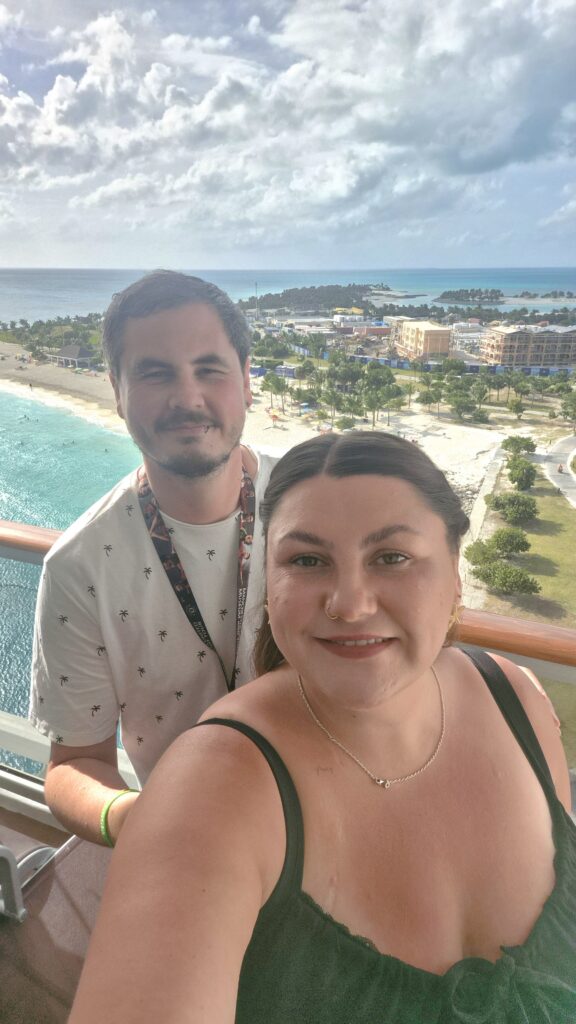
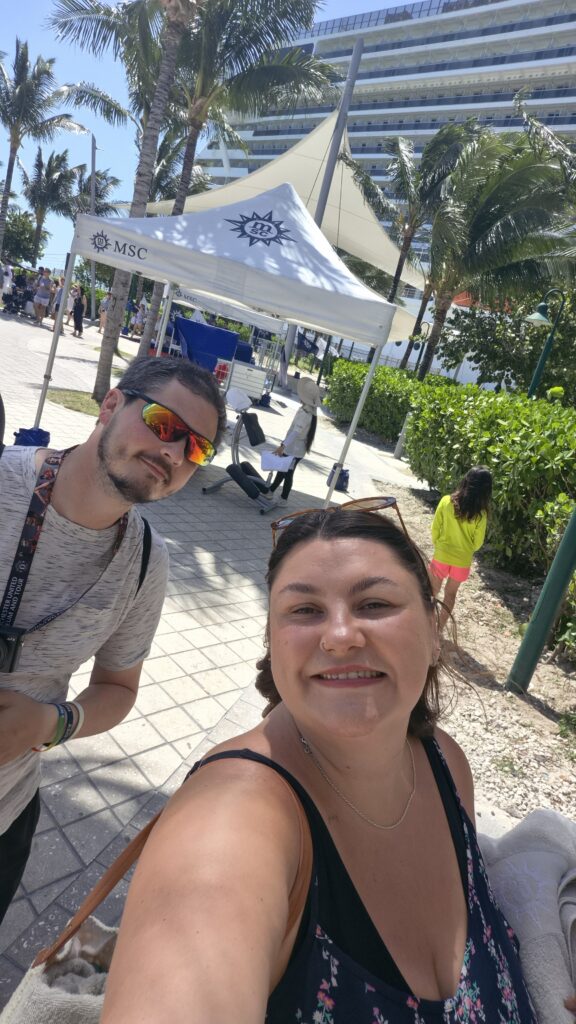
“I’m Jessica, and I’m 36 years old, from The Wirral but living in Hertfordshire, and I am a freelance travel writer specialising in accessible travel. I live with my husband, Wayne. We both adore travelling and playing badminton together.“
When did your gastroparesis symptoms begin and what were they?
“Everything seemed to begin on my honeymoon when Wayne and I travelled abroad in 2014. On the second day, we both fell ill with gastroenteritis. Wayne recovered after a few days, but I was in hospital for 10 days and never really felt right since.
My symptoms included bringing back up any food I was eating, severe bloating, feeling like food was stuck in my throat, having hunger pains while feeling so full and feeling weak. I also lost three stone in weight and collapsed a couple of times.”
Talk us through your journey to diagnosis
“I went back and forth to various specialists for years, trying to get to the bottom of things. Years on, between 2016 and 2019, I was diagnosed with a number of conditions that helped explain some of my symptoms but not all of them.
My mental health became poor, and after collapsing a few times, I called an ambulance, desperate for help. I didn’t look well, and they took me straight to hospital. It was there, after being admitted to the gastroenterology ward, that I was finally diagnosed with gastroparesis in 2020. Gastroparesis means my stomach is paralysed, so it doesn’t work as it should.”
How did your diagnosis make you feel emotionally?
“It was such a relief to finally know the cause of everything I’d been going through, but at the same time, I felt scared of the unknown. I wondered what life with gastroparesis would have in store for me.”
What does gastroparesis look like for you in daily life?
“Every day I suffer from at least one episode of severe vomiting, accompanied by hot flushes, acid reflux and severe stomach pain.
I have to be very careful with what I eat, which can feel incredibly isolating. So much of our social life revolves around eating or drinking out, and as much as I want to go out and eat normally with friends and family, it often isn’t worth the anxiety of worrying about when my food will come back up.”
What are some of the misconceptions you’ve experienced around gastroparesis?
“There is a real medical lack of understanding surrounding my condition, and I often find myself, who isn’t a medical professional, having to explain my condition to medical professionals, which feels really isolating. There needs to be greater medical understanding of gastroparesis, so patients don’t feel isolated.
On the odd occasion, people have asked me if I’m making myself sick, and I have been challenged for using an accessible toilet because I “don’t look disabled”. In those moments, I try to remain positive and educate people, rather than shame them.”

What about the support you’ve received?
“Wayne has been incredibly supportive, and I’ve received amazing support from most NHS staff, other patients and the team at Guts UK.“
Is there anything you’d tell anyone newly diagnosed with a digestive condition, such as gastroparesis?
“Be kind to yourself and give yourself time to adjust. Your diagnosis is real, your symptoms are valid, and you are not imagining what you’re going through.
There will be good days and incredibly difficult days, and you may have to rethink your relationship with food, socialising, travelling and everyday life.
Don’t be afraid to advocate for yourself, ask questions and seek support, because you know your body better than anyone. Don’t compare your journey with somebody else’s, as no two people experience digestive conditions in the same way.
Most importantly, allow yourself to grieve the life you had before your diagnosis, but don’t give up on the life you still want to live. A chronic condition may mean doing things differently, but it doesn’t mean giving up on your dreams.”
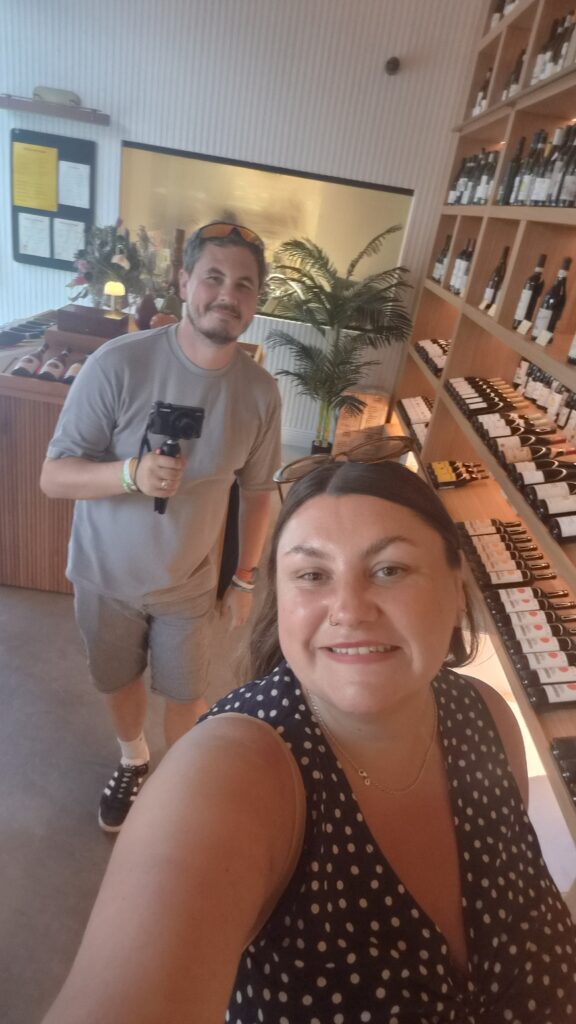
Why are you sharing your story with Guts UK?
“I decided to share my story to help others and because there are so many patients like me living undiagnosed who should never suffer alone. I hope my story helps people feel less alone with their struggles and encourages others to spread the word or fundraise for Guts UK’s research, awareness, and expert information.
I am also deeply grateful to Guts UK. Their team spent time with me on the phone answering my questions and helped me to understand gastroparesis, which left me feeling much more knowledgeable and at peace with my condition. Knowing about Guts UK’s STEM cell research into gastroparesis, I have made raising awareness and fundraising for them a priority over the years.”
What do you wish other people knew about digestive conditions, such as gastroparesis?
“Not every condition is visible, and it’s important we remember that. It’s also vital to talk about our guts and when something might be wrong. We shouldn’t feel embarrassed. We all have guts, and so many of us are in the same boat.”
Glossary of medical terms:
- Gastroenteritis: A common stomach and bowel infection causing diarrhoea, vomiting and tummy pain.
- Gastroenterology: The branch of medicine where healthcare professionals focus on the digestive system.
About Guts UK
Guts UK is the national charity for the digestive system and the only UK charity funding research into the whole digestive system.
We provide information and support for people affected by digestive conditions like gastroparesis, including a dedicated Helpline.