Morgan’s Story – Irritable Bowel Syndrome (IBS)
"I’ve lived with IBS for most of my life, and it has changed a lot over time. It's so important to me that for those of us who don't fit neatly into boxes and who haven't had a traditional or straightforward path through diagnosis are recognised."
Tell us a little about yourself
“My name is Morgan, and I’m currently studying a university course in combined STEM with a view to doing biomedical engineering at postgraduate level. I spend a lot of my time doing voluntary work, including as a student representative with the Open University, as a Trustee with a community workshop organisation, and I also do tenant engagement work with my local council. I’ve also done some expert-by-experience work with Guts UK.”

When did your Irritable Bowel Syndrome (IBS) symptoms begin, and what were they?
“My symptoms of IBS started when I was about 8 years old. I’ve lived with IBS the majority of my life. Originally, my main symptoms were mixed bowel habits and cramps, especially when I was younger.
I went to the GP, and they tried me on Mebeverine, which is an antispasmodic. At that point, I didn’t get a formal diagnosis; they just said it was probably irritable bowel syndrome.
Because I was so young, there wasn’t really much else done, and I think partly that was because there are fewer treatment options for children that age. It was more something that was managed in the background rather than fully investigated or taken further at the time.
Having IBS as a child was difficult and isolating. It felt like there were no resources to help someone my age deal with IBS as nearly all the advice was focused on adults, and other children my age were obviously not mature enough to have conversations around bowel movements and the impact my IBS had on me.”
Talk us through your journey to diagnosis:
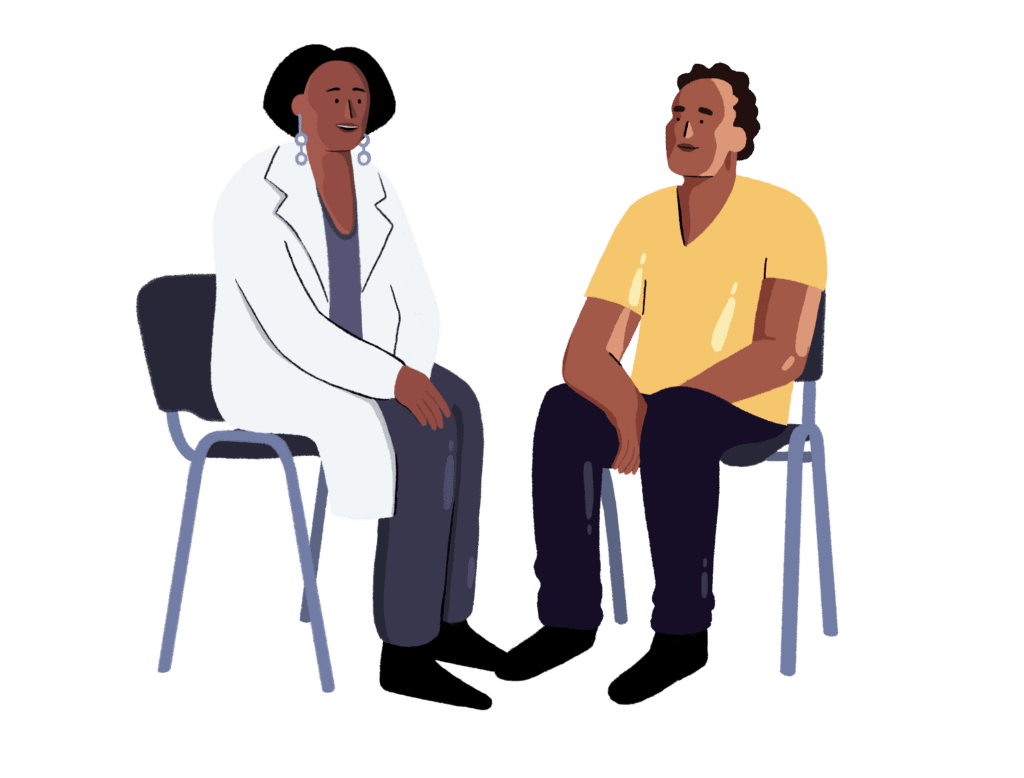
“After my symptoms worsened at the age of 11 or 12, I went back to my GP. I had increasingly painful cramps and I was yo-yoing between diarrhoea and constipation, but neither was particularly severe.
As a young adult, I would have liquid stools one day, and I would be incredibly constipated five days later. It was very challenging to deal with because anything you did to try and resolve one half of the problem, created a really horrific episode of the other half of the problem.
Around this time, I had various stool tests through the GP. After being formally diagnosed with IBS, I also had a sigmoidoscopy, which is a long thin tube with a camera at the end inserted into the rectum to look at the bowel and take small samples (biopsies) to rule out other conditions. For over a decade, my IBS has been the severely constipated type. I am currently having further investigations as my bowel habits have changed again.”
What treatment have you received for IBS?
“Initially, I was given antispasmodic medications through my GP, but as my condition worsened over the years, I was then referred to gastroenterology.
At one point, I was on bowel irrigation because things were so unmanageable. This is where fluid is used to flush out the bowel to prevent severe constipation and build-up, but I eventually had to stop because my physical disabilities meant I couldn’t do it independently at home.
I’ve also had to use bowel prep to help with impaction, which is where stools build up and get stuck, causing a blockage. Bowel prep is a very strong laxative solution designed to completely clear out the bowel. Sometimes I needed 7, 8, 9, even 10 doses before anything would start moving.
This often has to be done in hospital because of the amount of fluid loss and how intense the process is. I would sometimes spend two or three weeks in hospital while things were cleared, as it needed monitoring.
Hospitalisations were often difficult because it felt like I was a bit of an imposter being in hospital for ‘just’ IBS – even when I’d seen my x-ray and knew how bad it was. The process is also difficult, and being in a shared bay was particularly embarrassing when everyone can hear and smell.”
How are you now and can you tell us how IBS affects your everyday life?
“My IBS has changed over time. It was originally mixed, then became very predominantly constipation-type for over a decade. At the moment, I’m going through another change and medical professionals aren’t sure if it’s my IBS changing or IBS plus something else.
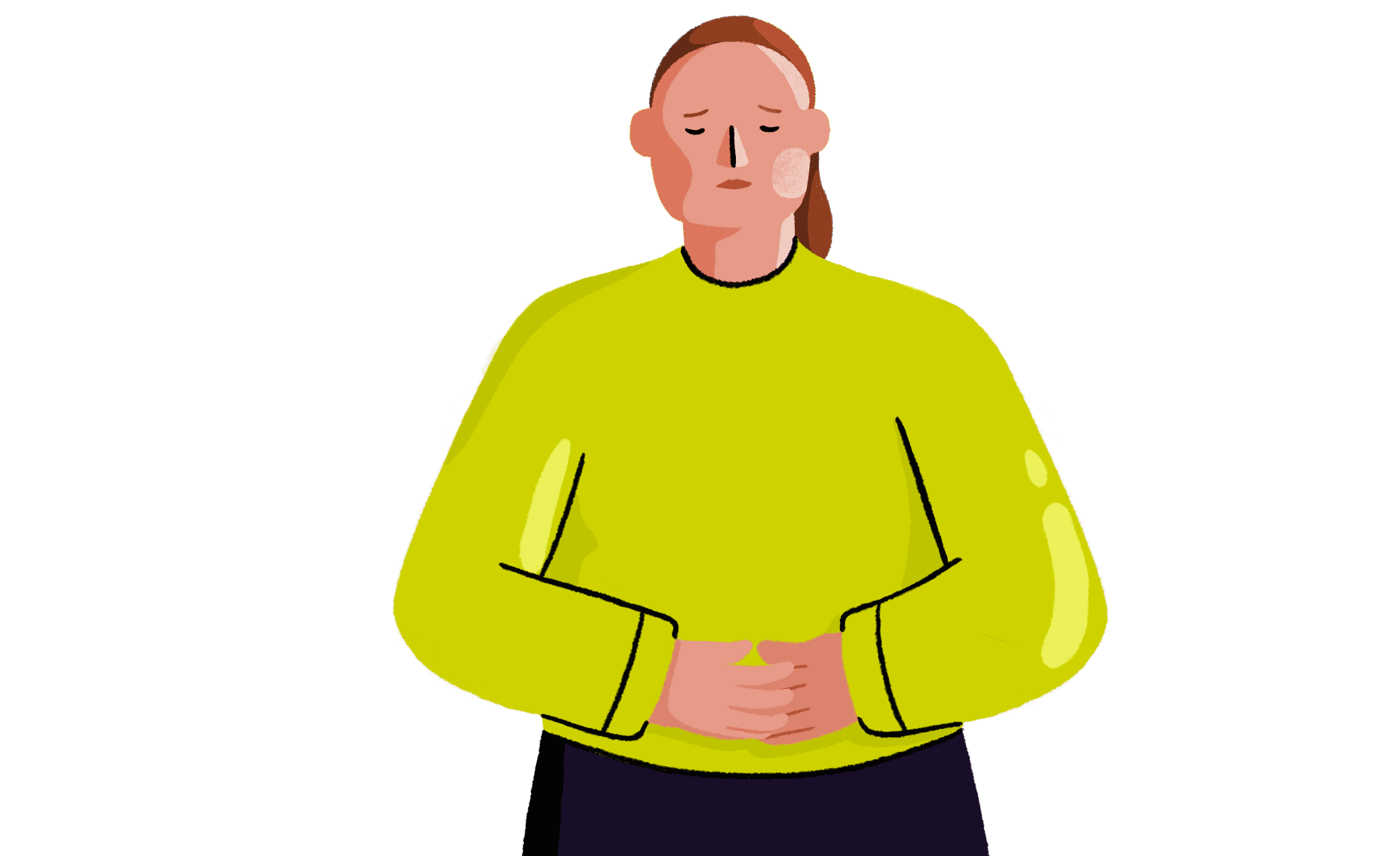
Managing the condition day to day, it’s quite hard to ignore my bowels—they’re sort of an ever-present force in my life. Even when I’m constipated, they’re causing abdominal pain, discomfort, and often nausea when they start to get really bad.
Every few months I end up in hospital with an impaction, and sometimes, within two or three weeks of clearing one, I already have signs it’s starting again.
Emotionally, living with IBS can be tough. I tend to have a bit of a breakdown every time we have to do a disimpaction, because it sucks in every single way. It is not a process I would ever wish anyone to have to undergo once, let alone multiple times.
A lot of the emotional impact is not being listened to and not being taken seriously.”
Is there anything you would say to someone with digestive symptoms or conditions?
“One of the biggest challenges is that symptoms can be misleading—for example, even when I was severely impacted, I could still pass small amounts of stool, which made it harder for doctors to recognise how serious things were.
So I’d say it’s important to advocate for yourself if you feel something isn’t right, even if it doesn’t look typical or straightforward.”
Why are you sharing your story?
“I’ve lived with IBS for most of my life, and it has changed a lot over time. It’s so important to me that for those of us who don’t fit neatly into boxes and who haven’t had a traditional or straightforward path through diagnosis are recognised. I’ve been diagnosed, I think, officially three times, but every time the experience has been different. I just think it’s so important that those voices are out there and that people with non-traditional experiences can see themselves represented.”
Why do you want to support Guts UK charity?
“I support Guts UK because they care about what they’re doing and are focused on making an impact for everyone affected by digestive conditions, including people who perhaps aren’t covered by more specific charities.
They include people affected by IBS alongside those affected by gastroparesis or IBD, and that’s really valuable because there’s so much overlap in experience between those groups. Having a charity that focuses on all of them and makes sure there is good information is really important.
Through volunteering with Guts UK, I’ve also had interactions with doctors that have increased my faith in the medical profession—there are doctors out there who care, who want to get things right, and who listen to patients when we tell them what our experience is.
It gives me a bit of hope that we can get to a point where people with digestive conditions aren’t brushed away because it’s not seen as that serious.”
About Guts UK
Guts UK is the national charity for the digestive system and the only UK charity funding research into the whole digestive system.
We provide information and support for people affected by digestive conditions like irritable bowel syndrome, including a dedicated Helpline.
Watch our webinar on IBS
Morgan joined us for our Getting to Grips with IBS webinar in April 2026. Hear more from Morgan and others living with IBS by watching the webinar on demand on our YouTube channel.