Sarah’s Story – Irritable Bowel Syndrome (IBS)
Sarah shares her story of irritable bowel syndrome (IBS), acknowledging the complexity of the condition. “Two people with IBS can have very different symptoms and find that different things work or don’t work for them.”
Tell us a little about yourself
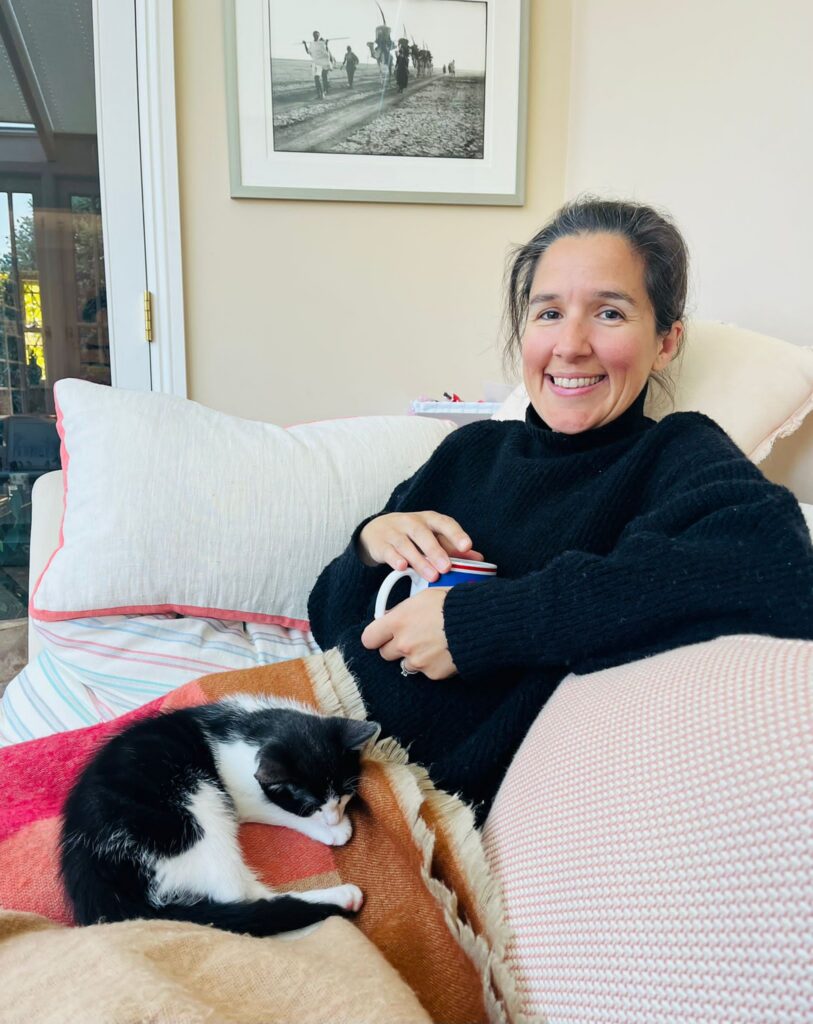
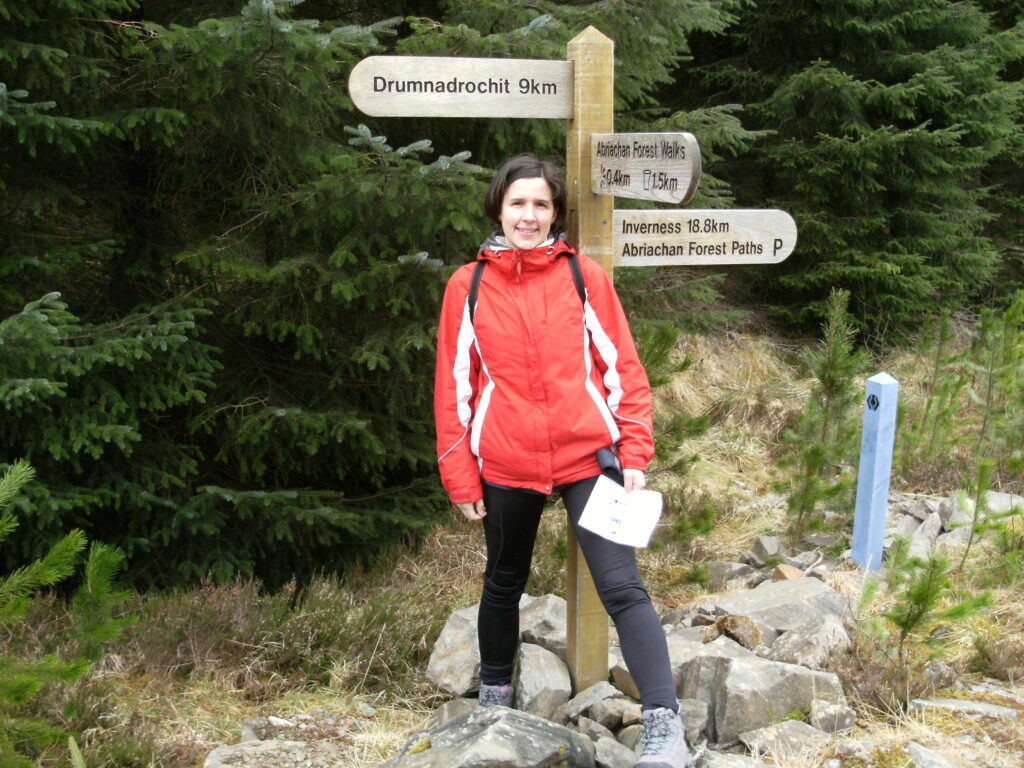
“My name is Sarah, I’m 43, and I live in Dorset with my husband. I am a composer, and I play a number of instruments. Along with writing music, my week is filled with reading, walking, Pilates, Latin and ballroom dance classes, knitting and spending time on the beach.”
When did your Irritable Bowel Syndrome (IBS) symptoms begin, and what were they?
“My symptoms of IBS began over 30 years ago. My first memories of being constipated were around six or seven years of age. I remember regularly having sharp abdominal pain after meals, and in my early teens, having to lie on my tummy or have a hot water bottle straight after meals. I assumed this pain, along with having only one or two bowel movements a week, was normal, so never thought to question it.
I later started seeing blood in my stools, and it wasn’t until my early 20s when a friend told me that these symptoms weren’t normal and that I should go and see a doctor.”
Talk us through your journey to diagnosis:
“On my first trip to the GP, I was given a printout and told to go away and read it, and if I ticked three or more symptoms, then I had IBS.
There was no discussion, and no help given. Other GPs have told me it’s ‘just’ IBS, so there was nothing to worry about, and that it was ‘all in my head’. I was told that it was just the way I was, and that I had ‘lazy bowels’.
I felt very alone and frustrated, particularly as I was being told I had this condition, but that there was nothing that anyone could do about it. I wasn’t offered any tests for other bowel conditions either. To add to the problem, I have a family history of bowel cancer, and I was worried that my symptoms could be cancer rather than IBS.
I found the doctors I saw to be very dismissive, presumably because of my age. Years later I finally saw a very understanding GP who referred me for a colonoscopy (a thin, flexible tube with a small camera on the end which is passed into the bowel through the anus), which was thankfully clear but meant I still had no answers to my symptoms.”
What treatment have you received for IBS?
“My lowest point came in my late 20s when I was going as long as two weeks without a bowel movement and I have never been in so much discomfort, it felt like my body had shut down. After looking on the internet, I found that colonic irrigation was an option, so I went for regular sessions for several years, which were very uncomfortable but necessary.
I have seen several consultants over the years, but they were as dismissive as the GPs had been. However, one consultant referred me to a dietician, which I was sceptical about, but it was probably the best thing I have done. The dietician introduced me to the FODMAP diet, and this has helped reduce my pain enormously.
After years of trying every laxative, pill and suppository, I was prescribed Macrogol (a medication to improve the frequency of bowel movements), which didn’t work at first, but after a few weeks, it did the trick. I now have fairly regular bowel movements for the first time in my life.”
Note: The FODMAP excludes short-chain fermentable carbohydrates. These carbohydrates can be a cause of symptoms for some people. It works for about a half to two thirds of people with IBS. Any exclusion diet, including FODMAP, should only be carried out under the supervision of a registered dietician.
How are you now and can you tell us how IBS affects your everyday life?
“IBS has always been mentioned at my medical appointments, but it was never specifically diagnosed until three years ago, when I had another colonoscopy. I was very emotional about it. Even though I knew I had IBS, it was the first time a clinician had really taken me seriously and given me a concrete diagnosis.
I am in a much better place now because I understand a bit more about the condition. I follow the FODMAP diet, so I know my trigger foods and drinks, I know when I am anxious that my symptoms will get worse, and I am having regular bowel movements.
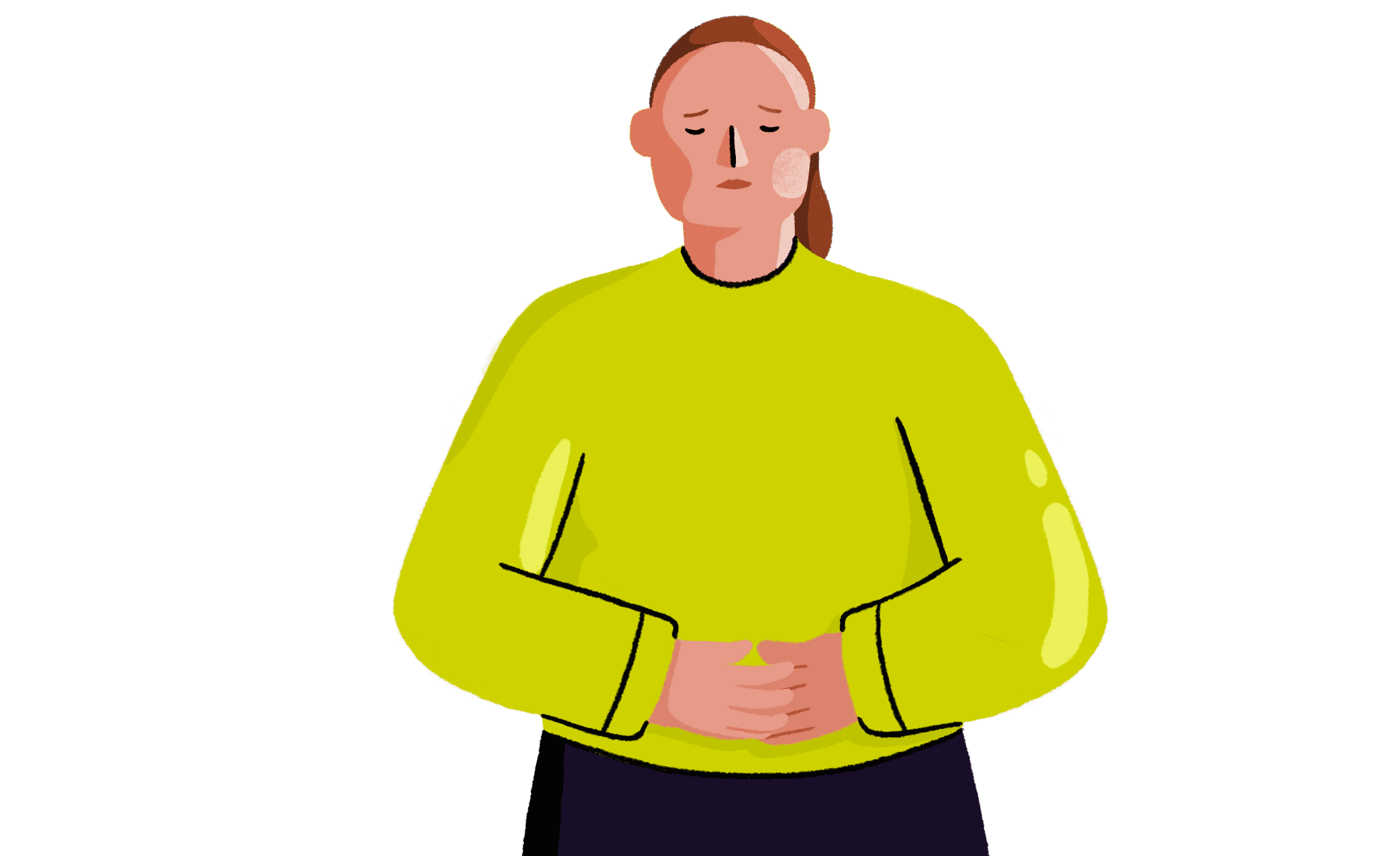
However, my symptoms are present every day, and I have flare-ups where symptoms can be very bad for a period of time, mainly pain, bloating and fluctuating between constipation and diarrhoea.
The condition affects everything from my social life, travel, sleep, and day to day activities. Two people with IBS can have very different symptoms and find that different things work or don’t work for them.”

Is there anything you would say to someone with digestive symptoms or conditions?
“I would say that if anyone is worried about any digestive symptoms or conditions, then to go and get it checked out and don’t be embarrassed. A high percentage of the population has gut issues, so clinicians are used to discussing these things.
If you don’t get the support you need from the GP, then organisations like Guts UK are excellent and can give you support and guidance on your journey. Also, if you feel comfortable, get involved in research projects and groups where you can chat to others with the same condition – it’s amazing how comforting and reassuring it is to share with others.”
Why are you sharing your story?
“Without Guts UK, people with gut issues would be truly lost because there seems to be very little help out there. I wish I had known about them at the start of my journey, but I am glad that I have found them now. Being able to share my story is incredibly positive for me. I want to help raise awareness, get people talking about their guts and help the incredible clinicians out there who are doing invaluable research. Hopefully, sharing my story will be of some help and comfort for anyone who is feeling alone and anxious about their IBS.”
About Guts UK
Guts UK is the national charity for the digestive system and the only UK charity funding research into the whole digestive system.
We provide information and support for people affected by digestive conditions like irritable bowel syndrome, including a dedicated Helpline.
Watch our webinar on IBS
Sarah joined us for our Getting to Grips with IBS webinar in April 2026. Hear more from Sarah and others living with IBS by watching the webinar on demand on our YouTube channel.