Have you ever woken up with a comfortable tummy, only to find that as the day goes on, your waistband feels uncomfortably tight, your belly feels packed or stretched, or your stomach visibly bulges outward? Or perhaps you’ve spent an evening feeling so uncomfortably full, gurgly or heavy that you’ve had to undo the top button of your trousers just to sit comfortably? You are not alone.
We’ve all got guts. Around 25ft of them, in fact. That’s a lot of digestive system to keep running smoothly, and when gas or gut sensitivity disrupts the flow, it can make you feel self-conscious, physically uncomfortable, or restricted.
With so much taboo surrounding our digestive health, it can be easy to feel hesitant to talk about what’s going on, but we’re here to flush away the stigma.
In this post, we’re getting to grips with bloating and distension. From what is actually happening in your body to common triggers, management tips, and red flags to look out for, let’s explore how you can get your gut back on track.
Please note that this is general information on bloating and distension. The information may not be appropriate for someone diagnosed with a specific digestive condition. Where there is information on digestive symptoms and conditions, more details can be found in our online information. If you live with a specific digestive condition and need support for bloating or distension, please speak to your healthcare team.
What is bloating?
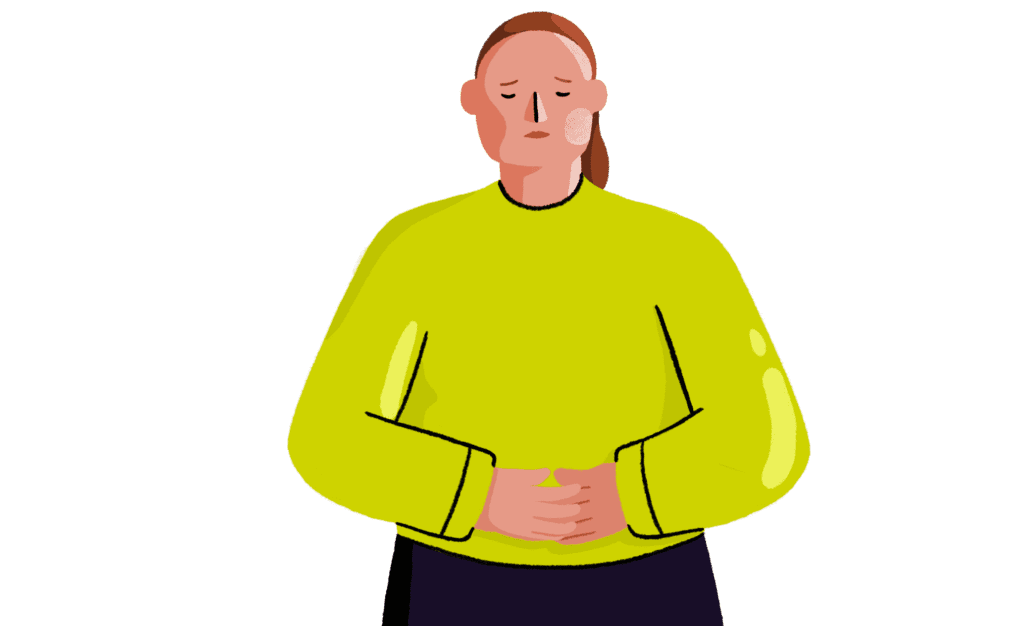
Bloating is that uncomfortable, tight or full feeling inside your tummy. It can make your belly feel stretched and packed, often accompanied by trapped wind, gurgling, or rumbling. It is a subjective sensation, meaning it is something you feel inside your gut, even if your gut doesn’t look any different on the outside.
What is distension?
Distension is the physical, visible swelling of your tummy. Unlike bloating, distension is something you can see and measure. Your tummy expands outwardly, and your clothes might feel much tighter than they did earlier in the day. Many people find their distension worsens as the day goes on.
What causes bloating and distension?
Bloating and distension usually happen when gas builds up in your digestive system, or when your gut is particularly sensitive to normal amounts of gas. Common triggers include:
- Dietary triggers: Eating gas-producing foods (like beans, lentils, broccoli or onions), drinking fizzy beverages or eating very fatty or spicy foods.
- Eating habits: Eating too quickly, talking while eating or swallowing extra air.
- Constipation: When your gut is backed up, gas gets trapped behind waste, significantly increasing pressure inside your tummy.
- Stress and hormones: High stress levels and normal hormonal changes can alter gut motility and heighten gut sensitivity.
- Artificial sweeteners: Polyols (such as sorbitol or xylitol) found in sugar-free products.
How can I manage and prevent bloating and distension?
For short-term symptoms, simple, gentle adjustments to your everyday routine can make a world of difference.
1. Mindful eating habits
- Eat smaller, regular meals: Swap large, heavy portions for smaller, more frequent meals.
- Slow down: Take time to chew your food thoroughly and avoid talking while eating to reduce swallowed air.
- Keep a food diary: Track what you eat to identify personal triggers while keeping your diet varied and nutrient-dense.
2. Get moving and soothe your gut
- Gentle movement: Short walks after meals or simple yoga stretches (like bringing your knees to your chest while lying down) can help trapped wind move through your gut.
- Hydration: Drink plenty of water throughout the day while limiting fizzy, caffeinated or alcoholic drinks.
- Keep your bowels regular: Managing constipation can help to relieve trapped gas and reduce pressure in your tummy.
3. Over-the-counter options
- Speak to your pharmacist about over-the-counter remedies like peppermint oil capsules or defoaming agents (such as simethicone) to help ease wind and pressure.
When should I see a doctor for bloating and distension?
While occasional bloating clears up within a few hours or days, you should seek medical advice if you experience frequent or constant bloating and distension for more than a few weeks, or if lifestyle changes aren’t helping.
Contact your GP or NHS 111 sooner if you experience any of these red flag symptoms:
- Blood in your poo or bleeding from your bottom.
- Unintentional weight loss.
- Severe, constant or worsening belly pain.
- A lump or swelling in your tummy.
- Unexplained changes in your bowel habits (such as new, ongoing diarrhoea or constipation).
- Feeling constantly sick (nausea) or vomiting.
Persistent bloating and distension can be a symptom of various digestive conditions, and in some cases, can point to non-digestive conditions that need checking out. You should always see your GP if your symptoms are persistent, as the underlying cause needs to be investigated.
Know what’s normal for you with the Guts UK Poo-Torial tool
Checking your poo regularly is one of the easiest ways to know what’s normal for you and spot when something isn’t quite right.
To help you decode what your gut is trying to tell you, try our interactive Poo-Torial tool. It provides guidance on the colour, consistency and frequency of your poo, helping you understand your body better and know when it’s time to speak to a doctor.
You’ve read another post in our ‘Get to grips with digestive symptoms’ series!
Digestive symptoms are incredibly common, but they are often seen as taboo to talk about. So far, we’ve learned how to get to grips with diarrhoea, constipation and now, bloating and distension. Over the coming months, we’ll continue breaking down what’s happening inside your body into digestible chunks (pun intended).
We’ll be taking a closer look at common causes of symptoms and sharing practical tips to manage your gut health.
Keep an eye out for upcoming symptom snapshots on:
- Wind
- Indigestion
- Heartburn and acid reflux
Eager to learn more?
Guts UK is the national charity for the digestive system. We provide expert information and support on over 40 digestive conditions and symptoms. Read our information on bloating and distension, or reach out to our Helpline on 0300 102 4887 or by submitting an online contact form.
You can also follow us on social media @gutscharityuk to help us spread the word that our guts deserve better. It’s time for the UK to get to grips with guts!