
Let’s talk festive guts!
Navigating festive dinners and gatherings with a digestive condition can feel tricky. Discover tips on talking about your symptoms and finding support.
25th November 2026
Posted: 1st September 2026
Updated: 20th August 2026
Have you ever spent what feels like an eternity sitting on the toilet, waiting, straining and hoping your gut will finally cooperate? Or perhaps you’ve gone about your day feeling uncomfortably bloated, sluggish and heavy, wondering why your digestive system has ground to a halt? You’re not alone.
We’ve all got guts. Around 25ft of them, in fact. That’s a lot of digestive system to keep running smoothly, and when things slow down, it can disrupt your daily life.
In this post, we’re getting to grips with constipation. From what is actually happening in your gut to common causes, tips to manage constipation, and red flags to look out for, we’ll explore how you can flush away the stigma and get your gut back on track.
Please note that this is general information on constipation. The information may not be appropriate for someone diagnosed with a specific digestive condition. Where there is information on digestive symptoms and conditions, more details can be found in our online information.
Constipation is a very common digestive symptom where you find it difficult to pass poo or are passing poo less frequently than what is normal for you. When you do go, your poo might be hard, dry or lumpy, and it can feel like you haven’t fully emptied your bowels.
While bowel habits vary from person to person (ranging anywhere from three times a day to three times a week), constipation is generally categorised into two main types based on how long it lasts:
To understand constipation, it helps to look at how your bowel usually works. As digested food moves through your large intestine (colon), your body absorbs water while muscular contractions push the waste along. By the time it reaches the rectum, enough water has been absorbed to leave behind a soft, well-formed poo.
When you have constipation, this process leads to:
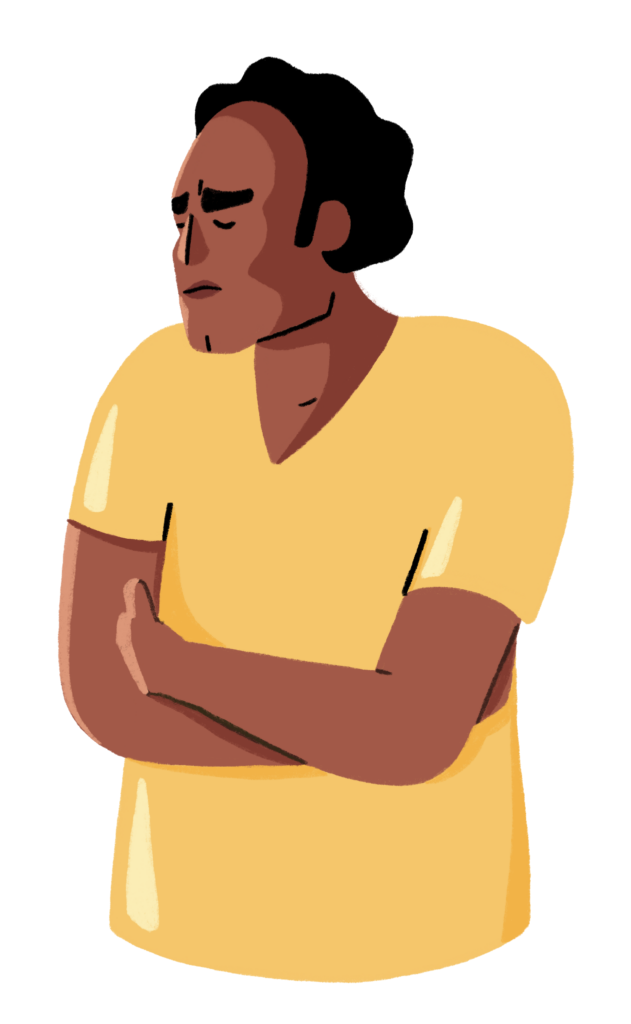
Constipation is a symptom rather than a standalone condition, and most of us will experience it at some point in our lives. It can happen for a variety of reasons, including:
If you’re experiencing short-term constipation, it can usually be managed at home with a few simple tweaks to your everyday habits:
Make sure you are drinking plenty of extra fluids, typically water, throughout the day. Staying well-hydrated helps to soften your poo, making it much easier to pass.
Gradually increase the amount of fibre in your diet to avoid gas and bloating. Great choices include wholemeal bread, oats, fruits, vegetables, beans and lentils. Eating regular meals, especially not skipping breakfast, also helps to kickstart your bowel movements.
Keeping active helps encourage your gut into a regular rhythm. Even a short daily walk, especially after a meal, can make big difference.
Never ignore the urge to go for a poo. Give yourself time and space so you aren’t rushed. When sitting on the toilet, try using a small footstool to raise your knees above your hips. This puts your body into the ideal posture to pass poo easily.
If lifestyle changes aren’t quite enough, over-the-counter laxatives are available. A pharmacist can recommend the right type for your specific needs to help get things moving again.
If you’ve tried making lifestyle changes and your constipation hasn’t improved after a couple of weeks, you should seek medical advice.
You should contact your GP or NHS 111 sooner if you experience any of the following symptoms:
Checking your poo regularly is one of the easiest ways to get to know what’s normal for you and spot when something isn’t quite right.
To help you decode what your gut is trying to tell you, try our interactive Poo-Torial tool. It provides guidance on the colour, consistency and frequency of your poo, helping you understand your body better and know when it’s time to speak to a doctor.
Digestive symptoms are incredibly common, but they are often seen as taboo to talk about. We’ve learned how to get to grips with diarrhoea previously, and constipation in this post. Over the coming months, we’ll continue breaking down what’s happening inside your body into digestible chunks (pun intended).
We’ll be taking a closer look at common causes of symptoms and sharing practical tips to manage your gut health.
Keep an eye out for upcoming symptom snapshots on:
We have information about the digestive system and over 40 digestive conditions and symptoms, along with health and lifestyle, testing and monitoring, which can be found here. You can also follow us on social media by searching ‘gutscharityuk’ to learn more, keep up to date with the work we do and take part in vital awareness campaigns to help us spread the word that our guts deserve better. It’s time for the UK to get to grips with guts!
Guts UK is the national charity for the digestive system. We are the only UK charity funding research into the whole digestive system.
People are suffering. People are dying. All because of a lack of knowledge about our guts. Guts UK exists to change that.
You can find out more about what we do here. For helpline details, please click here.






Navigating festive dinners and gatherings with a digestive condition can feel tricky. Discover tips on talking about your symptoms and finding support.
25th November 2026
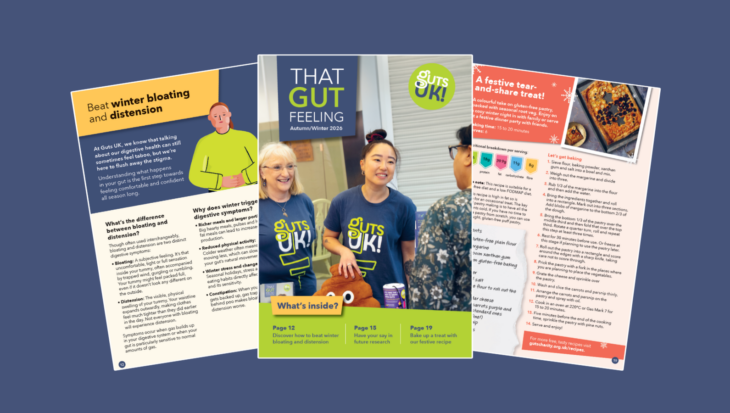
The latest edition of That Gut Feeling, our bi-annual magazine, has arrived! Our Autumn/Winter 2026 magazine is jam-packed with the latest news, information, real-life stories and campaigns from Guts UK. From helpful guides on managing...
24th November 2026
By submitting this form, you are consenting to Guts UK contacting you by email as detailed above. To make any changes to your preferences you can email us on [email protected] or by calling us on 020 7486 0341. Your details are safe with us. Please read our Privacy Policy for more details.