Sehba’s story – coeliac disease
"It's a lifelong condition, and my brain is on alert 24/7. I am constantly having to think ten steps ahead about food."
Tell us a little bit about yourself
“I’m Sehba, I’m 20 years old, and a final-year Law student. I aspire to train as a solicitor in London. I love knitting and cooking. Being Indian, I have adapted many of our family recipes to be coeliac safe.”

When did your coeliac disease symptoms begin, and what were they?
“My symptoms began during my GCSE and A-Levels. One of the first signs was the amount of hair that was falling out of my scalp. I would often have diarrhoea and stomach aches on and off. I have always been quite slim, but I was particularly skinny back then.“
Talk us through your journey to diagnosis
“It got to the point where I kept having stomach aches, my hair was falling out, and I felt so tired despite getting eight hours of sleep. I knew I needed to find out what was wrong.
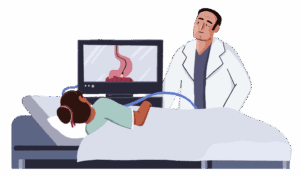
It was really difficult as it was in the height of COVID and lockdown. After begging my GP multiple times, I was sent for a blood test. At this point, I was really sick. When my results finally came through, I was called into the hospital, and they suspected I had coeliac disease. I was sent for an endoscopy (a thin tube with a small camera on the end, inserted via the mouth) a few months later, which confirmed the diagnosis in 2021.”
How has your body recovered since your diagnosis?
“The disease took a real toll on my body. I hadn’t grown properly through puberty. Due to the gut damage, I didn’t fully feel the effects of recovery until three years after going gluten-free. I had a follow-up endoscopy to see how well my gut had healed. Thankfully, it had fully healed by then.”
How did this impact you emotionally?
“I have found having coeliac disease incredibly emotionally challenging, especially since living on my own at university. It’s a lifelong condition, and my brain is on alert 24/7, asking questions like “Are the counters clean?” or “Has someone used my dish sponge?” I am constantly having to think ten steps ahead about food.”
Note: Cross-contamination can occur easily in shared environments. For those with coeliac disease, even a tiny amount of gluten, such as crumbs on a kitchen counter or residue on a shared dish sponge, is enough to cause gut damage and severe symptoms.
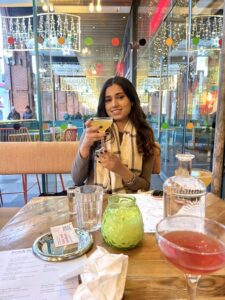
“Sometimes I feel really jealous that people can just eat whatever they want, whereas I cannot just go and grab a croissant for breakfast from a bakery. The inconvenience is frustrating, especially during busy periods like work and exams. You feel such a range of feelings. It is mentally draining to always have your brain switched on – on holiday, after clubbing, or in situations where they don’t cater. Having to repeatedly explain the condition to restaurants and friends can become very repetitive.”
How are you now?
“I have lived in central London for all three years of my degree in shared accommodation with my friends. It has been an interesting transition going from a gluten-free kitchen in my family home to shared spaces. I feel brilliant most days, though I notice my body gets much more tired than other people my age. I need to rest and sleep a lot more than my peers to make sure I feel okay.
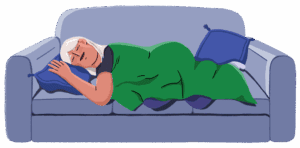
On the rare occasion, I have been glutened (when someone has unintentionally ingested gluten, often through cross-contamination or hidden ingredients), my body completely shuts down. I face extreme fatigue, diarrhoea, and really bad joint pain, especially in my hands. When this happens, I prioritise resting until I build back my strength.”
How has the support of those around you helped you manage?
“On the flip side, I am really lucky I have a very supportive family who adapted so well and quickly to a new gluten-free lifestyle. As my auntie already had coeliac disease, we had guidance from her about the initial stages. My parents have adapted every recipe to be gluten-free for me, including Punjabi cuisine, and even my grandma has spent a great deal of time learning how to cook safely for me.
The fact that I have not felt I have missed out on good food due to my family support is a really positive side of having coeliac disease. You realise how flexible people can be. My closest friends know everything about coeliac now and can cook safely for me too.
It had also fuelled a massive passion of mine to cook. After a long day at university, I love to cook a good meal for myself. Whilst having coeliac disease can be so tiring mentally, a lot of good has also come out of it for me, and I’m proud to manage my diagnosis so well.”
What are the cultural challenges within your community?
“I know several people with coeliac disease within the Punjabi community who struggle because their families do not fully understand the diagnosis. I often hear that I’ll “grow out of it” or that eating gluten will “make you stronger.” While my immediate family is supportive, this mindset and stigma persist across generations.
When my grandma recently passed away, I had to bring my own food to the langar at the temple due to cross-contamination risks. Relatives told me this was unnecessary and that I should “just have some.” I want to help communities with less understanding learn how serious coeliac disease is and help create safer environments for everyone.”
What is one thing you wish people knew about coeliac disease?
“I also want people to understand the feeling of exclusion. Some places don’t cater at all, and you have to sit there and watch people eat, which can be really upsetting. Sometimes you just have to “suck it up” because you don’t want to inconvenience the group, but it can hurt seeing people enjoy the things you cannot.

You learn to be strong and outspoken. When you order food or have concerns about cooking methods, you have to speak up. If you don’t, you risk getting sick. You also become decisive, which I think is a good trait! A lot of the time, as the coeliac in the group, you get the choice to choose where you want to eat, so that can be nice.”
Why are you sharing your story?
“I feel there is not much light shed on stories about university students and teenagers being diagnosed. During these prime social years, you think so much about what is safe. I would have loved to read about how to manage coeliac disease when cooking in shared kitchens and looking after yourself before I moved away from home. I want to provide that insight and support for other people.”
Why do you support Guts UK charity?
“I love the Guts UK Instagram page; it is so nicely designed and friendly. It is a fab platform to share my story and help other teenagers and young adults feel like they can relate to the coeliac experiences that come with this era of life. I would love to carry on supporting Guts UK in any way I can!”
What are your hopes for the future?
“I hope to see more awareness surrounding coeliac disease for teenagers and young adults. My goal is to provide the kind of insight I wish I’d had, making the transition easier for the next person. I hope to carry on supporting Guts UK to show that you can manage this diagnosis well and still live a full, social life.”
About Guts UK
Guts UK is the national charity for the digestive system and the only UK charity funding research into the whole digestive system.
We provide information and support for people affected by digestive conditions like coeliac disease, including a dedicated Helpline.