Mark’s Story – Irritable Bowel Syndrome (IBS)
“As a bloke, I was quite stubborn and just wanted to deal with it myself. I also found talking about bowel symptoms embarrassing.”
Note: At Guts UK, we want our stories to be easy to understand for everyone. If any medical terms in Mark’s story are unfamiliar, you can find definitions in our medical glossary below.
Tell us a little about yourself
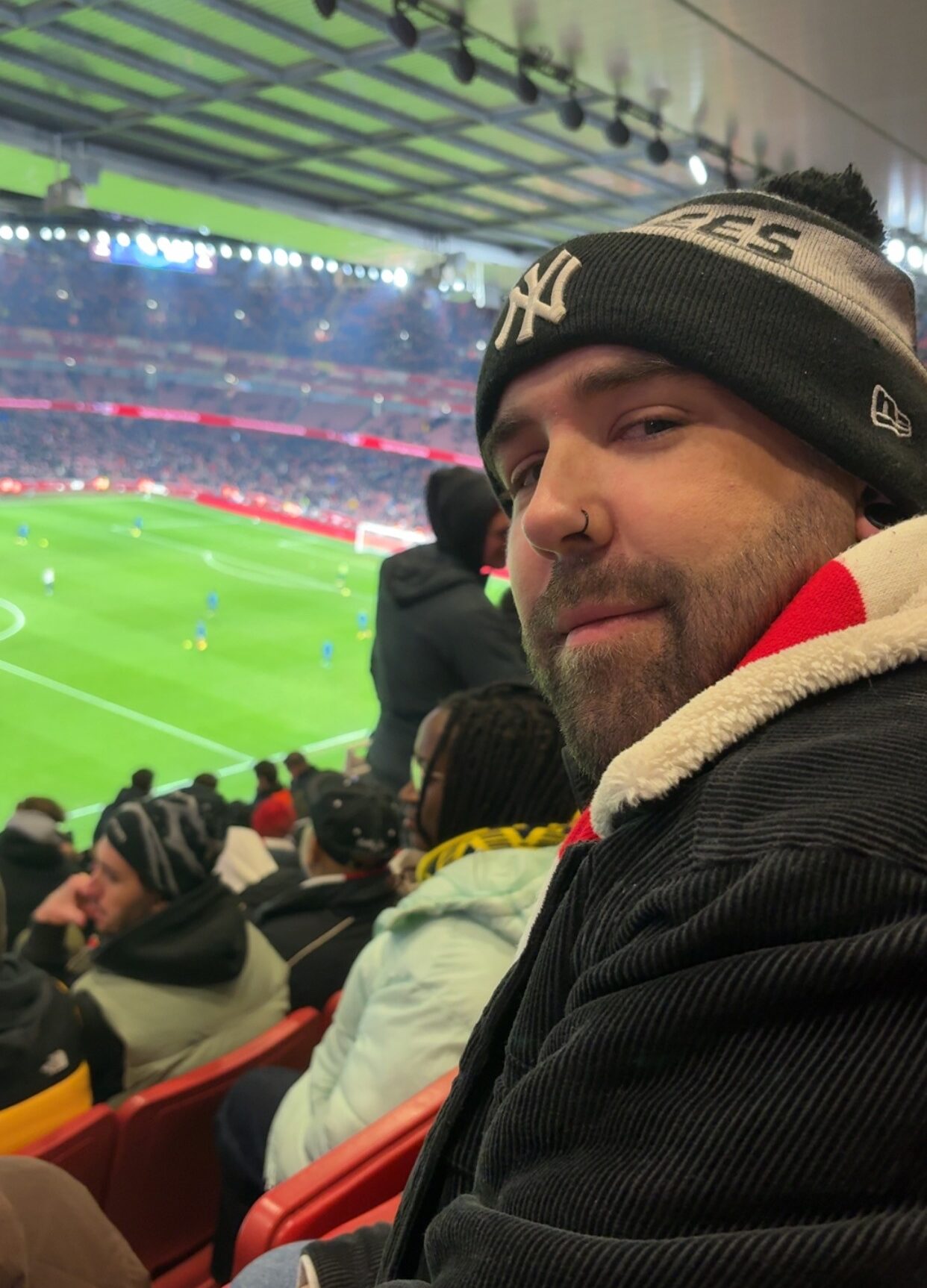
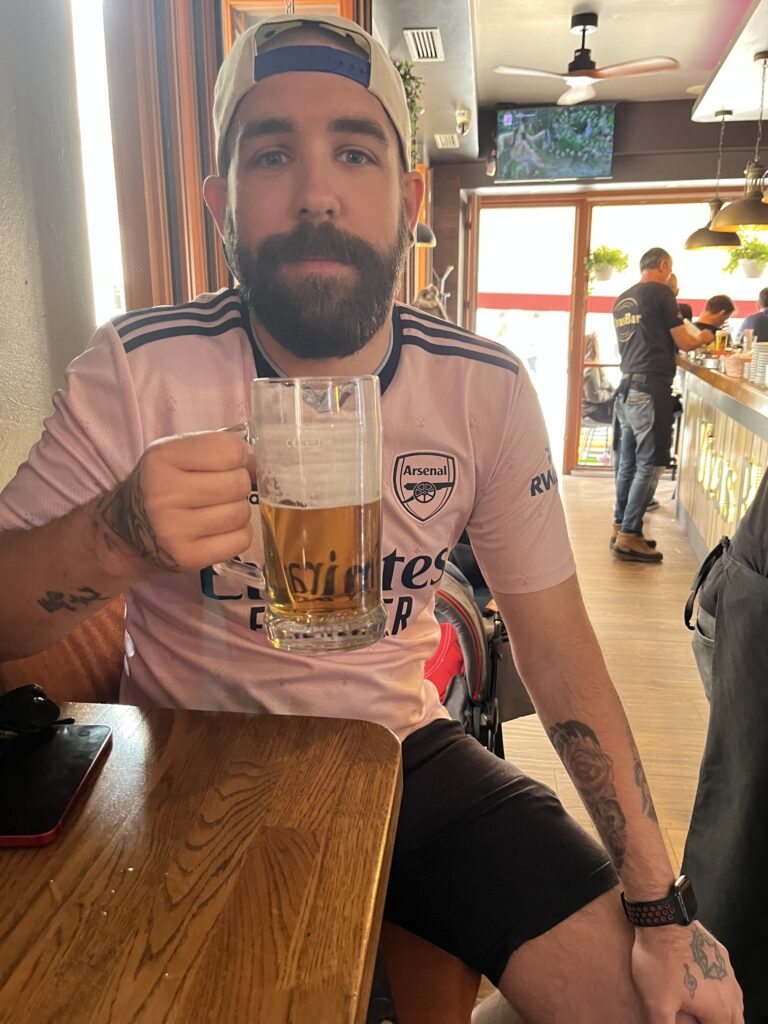
“My name is Mark, I’m 35 and I live in Doncaster. I work for a local printing company and in my spare time I watch and play sports and go to the gym. I’m just an average guy really.”
When did your Irritable Bowel Syndrome (IBS) symptoms begin, and what were they?
“It’s hard to pinpoint exactly, but I’d say around two or three years ago. The first symptoms were stomach cramps, bloating and the odd bout of diarrhoea. At first, I just thought it was part of getting older or a bad stomach and that it would go away on its own.”
How did your symptoms progress?
“The diarrhoea was probably the symptom that got worse over time, especially after eating certain foods. At first, I thought it might be dairy causing it because I consumed a lot of milk in protein shakes as part of my gym workouts. I cut almost all dairy out of my diet which unfortunately didn’t really make a difference. The stomach pain and diarrhoea gradually became more frequent and more severe regardless of what I ate.”
Note on identifying trigger foods: It’s important to speak to a dietitian before trying exclusion diets.
How did your symptoms affect your day-to-day life?
“The biggest impact was the urgency and unpredictability. Sometimes I would only have seconds to get to a toilet. There were a couple of occasions where I didn’t make it in time, which was incredibly embarrassing.
The wind and gas were also a big issue, especially when you’re sat in an office or around other people all day. Holding it in would leave me with stomach pain and discomfort and if something did slip out, there’d be the usual workplace banter and jokes, which can be quite embarrassing when it’s happening because of a health condition.
The symptoms also stopped me doing things I enjoy. I stopped playing football for quite a while because I didn’t know if I’d make it through a game without needing the toilet. I found myself putting a lot of things on hold because I just didn’t know if I could get through them comfortably.”

Tell us about your experience with your GP
“It was my wife who pushed me to see a doctor, after I kept asking her to buy lactose-free products and tailor my meals. When I wanted to go gluten free too, she told me no more free-from products until I saw a GP.
As a bloke, I was quite stubborn and just wanted to deal with it myself. I also found talking about bowel symptoms embarrassing.
Following an awkward discussion with my GP about my symptoms, I had some blood tests and did a couple of stool samples. Unfortunately, one of the stool samples got lost and it took me months to redo it, with help from my wife nagging me.
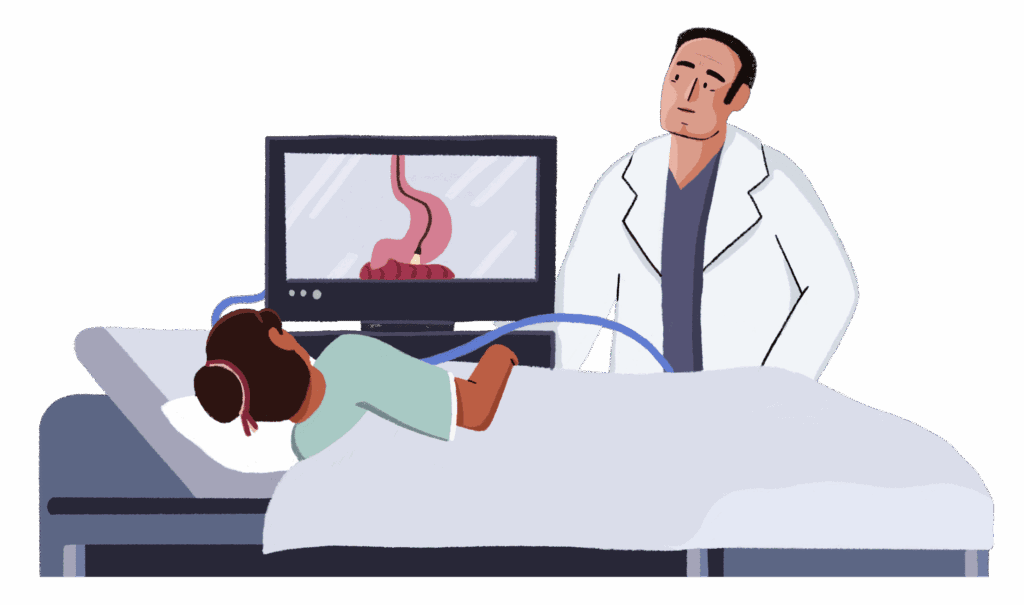
The repeated stool sample came back with an abnormal result. The GP called me and I had to go in for an internal examination, I think to check my prostate, which was unpleasant to say the least. From there, I was referred for a colonoscopy.
Note: Cutting food groups out of your diet such as dairy or gluten without the supervision of a healthcare professional is not recommended.
When did you receive your diagnosis and how did you feel?
“I received my IBS diagnosis at a hospital appointment after the results of my colonoscopy came back and the doctors had ruled out other possible causes of my symptoms. During the colonoscopy they found a few polyps in my bowel, which they removed there and then. The polyps were tested and thankfully came back benign.
For a long time, I’d just been dealing with stomach pain, diarrhoea and other symptoms without really knowing why they were happening. Having a diagnosis gave it a name and an explanation. It also reassured me that it wasn’t something more serious, which had been playing on my mind throughout the process.
One thing that stood out throughout my journey was how positive my experience was with the healthcare professionals involved. From my GP through to the hospital team, I always felt listened to and taken seriously. They took the time to explain what they were testing for, what the results meant and what the next steps would be. At every stage, they were trying to rule things out and make sure every avenue was explored, which gave me confidence that I was getting the right care.
Although some of the tests and procedures weren’t pleasant, I never felt dismissed or like I was being fobbed off. The doctors and nurses were supportive, professional and understanding throughout, and that made a big difference when discussing something that I initially found quite embarrassing to talk about.”

What treatment have you received for IBS?
“Following my diagnosis, I was prescribed medication to help manage symptoms, including diarrhoea and bloating. There has been a delay in starting treatment because the initial prescription listed a medication strength that didn’t exist, so it couldn’t be dispensed. With another gentle nudge from my wife, I have now followed this up with my GP and I have an upcoming appointment.
Alongside medication, I was offered a referral to a dietitian to help identify potential food triggers and look at ways of managing my symptoms through diet and lifestyle changes. Although I haven’t pursued this yet, it’s reassuring to know that support is available if I decide I need it.
I’ve always wondered whether I might be lactose intolerant. Dairy was one of the first things I suspected might be triggering my symptoms. I raised this concern again at my diagnosis appointment. The doctor agreed it was worth investigating and referred me for a hydrogen breath test which measures your reaction to lactose over a set period of time. I’ve recently had the test and I’m currently waiting for the results.”

Have you spoken to family and friends about your condition?
“Yes. Obviously my wife has been involved from the beginning, and I’ve told friends and people at work about it too. Everyone has been really supportive. My employer has been understanding about appointments and flare-ups, and my friends have been supportive rather than dismissive. I think it’s important that people know what’s going on so they can support you if you need it.”
What would you say to others who have digestive symptoms but haven’t sought help yet?
“Stop being stubborn and get yourself checked out. I know a lot of people, especially men, like to think they can deal with things themselves, but some things need professional help. Even if it turns out to be nothing serious, it’s worth getting checked. There are treatments available and plenty of support out there, but you won’t know unless you speak to someone.”
Why are you sharing your story?
“I think gut health is really important, and it’s not talked about enough. When something is happening inside your body, you can’t always see it, so it’s easy to ignore. I wanted to share my story to encourage other people to get symptoms checked out and not put it off like I did.”
Glossary of medical terms
- Colonoscopy: a thin tube with a small camera on the end inserted via the back passage.
- Polyps in the bowel: A polyp is a fleshy growth on the inside of the large bowel. Some people may develop a single polyp, while others may develop many.
- Hydrogen breath test: The test requires the person to drink a beverage. Then, after a set time, they blow into an analytical device. This equipment will measure the gas volume produced by microbial fermentation contained in the sample.
About Guts UK
Guts UK is the national charity for the digestive system and the only UK charity funding research into the whole digestive system.
We provide information and support for people affected by digestive conditions like irritable bowel syndrome, including a dedicated Helpline.