Rachel’s story – Hirschsprung’s disease
Rachel shares her story with the hope of raising vital awareness for Hirschsprung's disease.
Note: At Guts UK, we want our stories to be easy to understand for everyone. If any medical terms in Rachel’s story are unfamiliar, you can find definitions in our medical glossary below.
Tell us a little bit about yourself
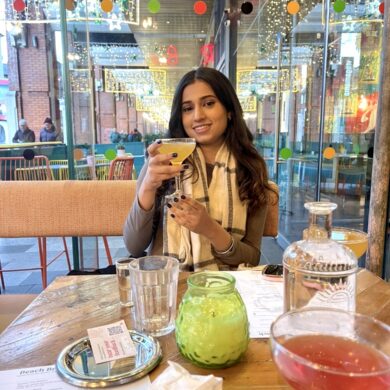
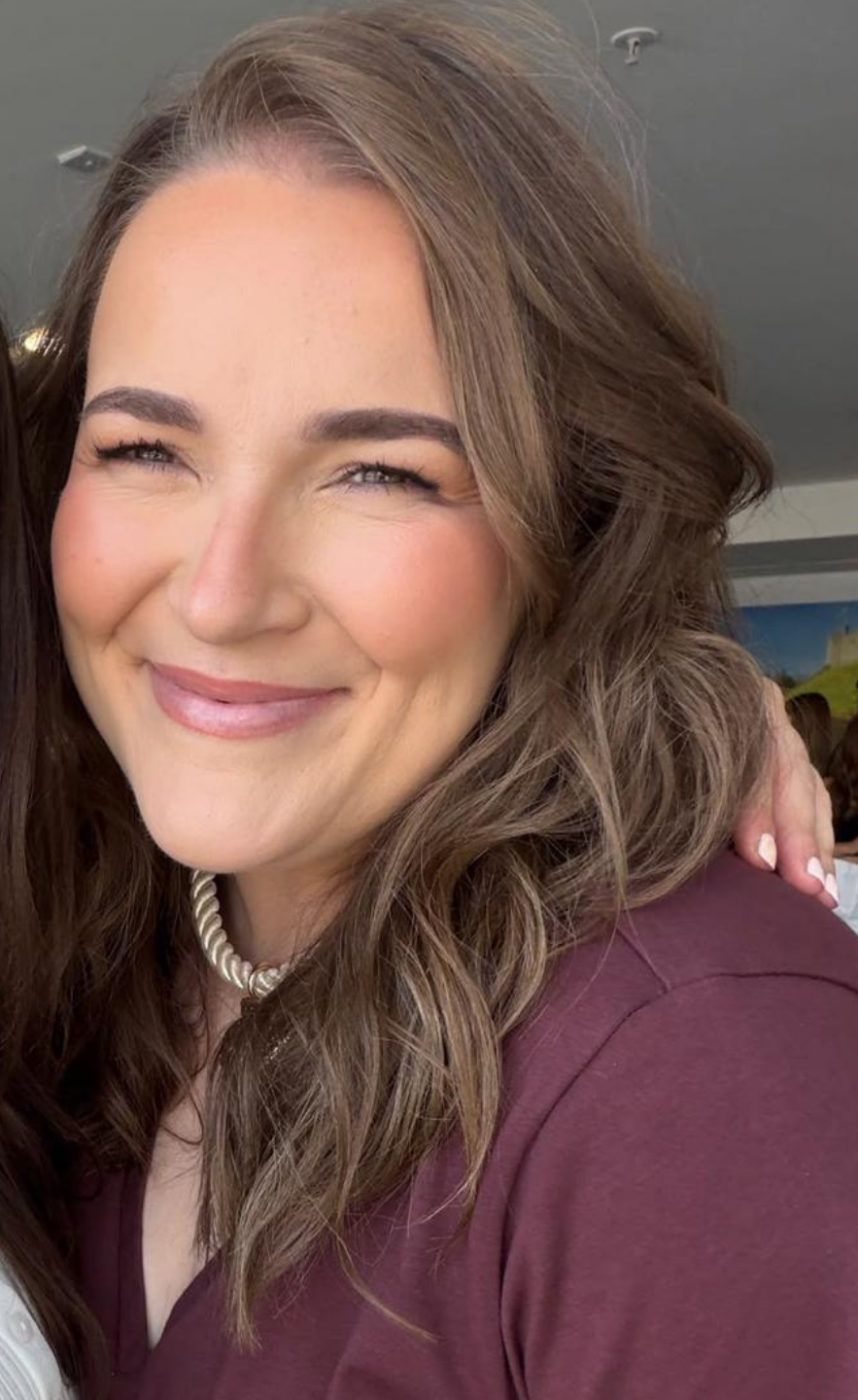
“I’m Rachel, I’m 37, and I live in South Wales. I’m a parent carer to two beautiful boys, and I’m looking forward to marrying my best friend next year.”
When did your Hirschsprung’s disease symptoms begin, and what were they?
“Shortly after I was born, I had a distended (swollen) tummy, couldn’t feed or pass poo and vomited green bile.“
Talk us through your journey to diagnosis
“As was the case with me, Hirschsprung’s disease is often diagnosed in the first one to two weeks after birth when a baby does not pass poo normally. It can present in varying severities depending on how much of the intestine lacks ganglionic cells that are needed for peristalsis.
My parents had never heard of Hirschsprung’s disease and were understandably in shock and disbelief. Life took a dramatic turn overnight. A rectal biopsy, which is the most accurate way to confirm Hirschsprung’s, was organised so treatment plans could be made.
I was diagnosed with a rare form of Hirschsprung’s disease: total colonic aganglionosis (TCA), which means the entire large bowel (colon) lacks nerve cells. This can also extend into the small bowel.”
When did you have stoma surgery?
“I had to have emergency surgery to form a loop ileostomy. This meant there was a chance of having it reversed when I reached the age of 2. Stoma care has thankfully developed hugely since then. Back then, very little support was given, there was little choice in products, and there wasn’t social media to allow for parents to connect with others.”
What happened when you were two?
“I had a pull-through procedure where a J-pouch was formed. Unfortunately, this led to a childhood that was marked by illness and chronic toileting issues.
The months that followed were incredibly difficult, as they can be for both the children who have had reversal surgery and their parents and carers. The skin around my bottom became extremely sore, broke down and bled. Thankfully, with the correct treatment plan, this got better.”
What were the years like between this and 2020?
“Following my first pregnancy, I experienced rectal pain which began to take over my life. Slowly but surely, it became unbearable to live with. I couldn’t be the mother I wanted to be, and my quality of life was deteriorating. My life was dominated by pain and frequent toilet trips to empty my bowels. I was on high doses of prescribed pain relief, which did nothing. In 2020, I made the difficult decision to ask my surgeon for stoma surgery again.“
What does Hirschsprung’s disease look like for you now as an adult?
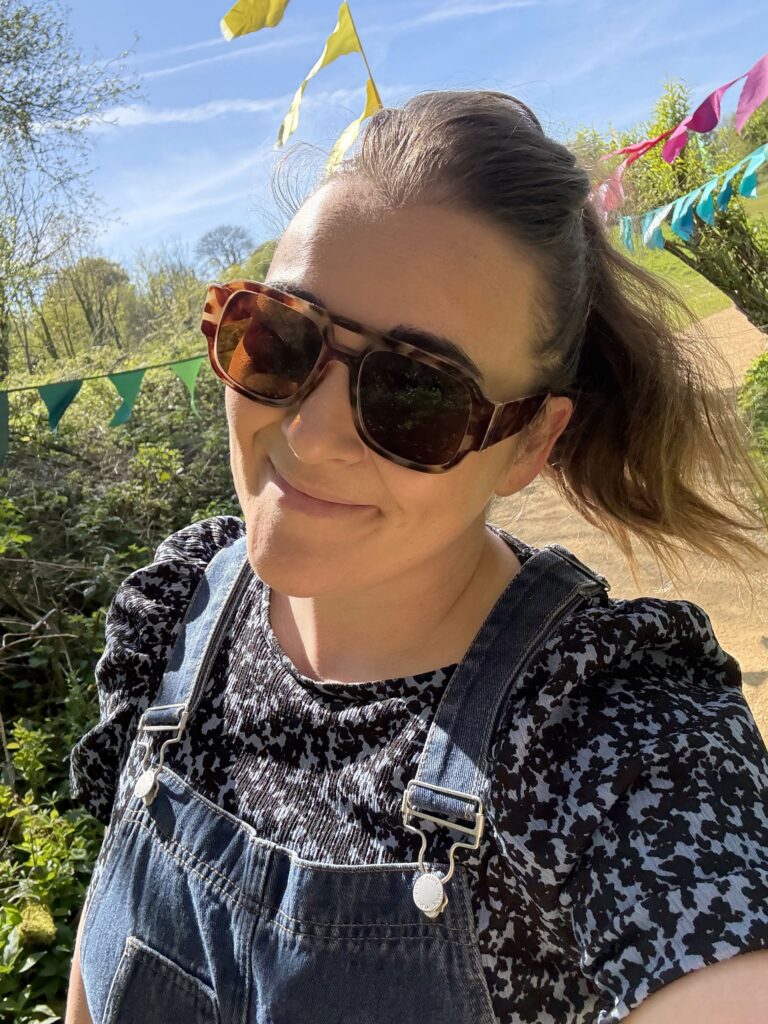
“Since my surgery, I have run half marathons to raise money for Noah’s Ark Children’s Hospital in Wales and met my best friend. He has shown me that having a chronic illness and ileostomy doesn’t mean you aren’t worthy of love and affection. We also welcomed our youngest son into the world.
Being a parent alongside managing my condition brings its challenges, as it does for everyone. On days when I’m not feeling good, it feels nearly impossible trying to get through. I have days where I want to know why this happened to my family and why our lives have been tainted with sickness, stomas, operations and endless hospital appointments. However, I try to focus on what it has given me, not what it has taken away.”
Why is raising awareness of digestive conditions such as Hirschsprung’s disease important?
Why are you sharing your story with Guts UK?
“Awareness is vital. Most parents and carers have never heard of Hirschsprung’s disease when their baby is born. Guts UK is one of the few charities that acknowledges the condition. In a world of digestive conditions, Hirschsprung’s disease is far less known, and it is lovely to see Guts UK are invested in supporting those who live with the condition.
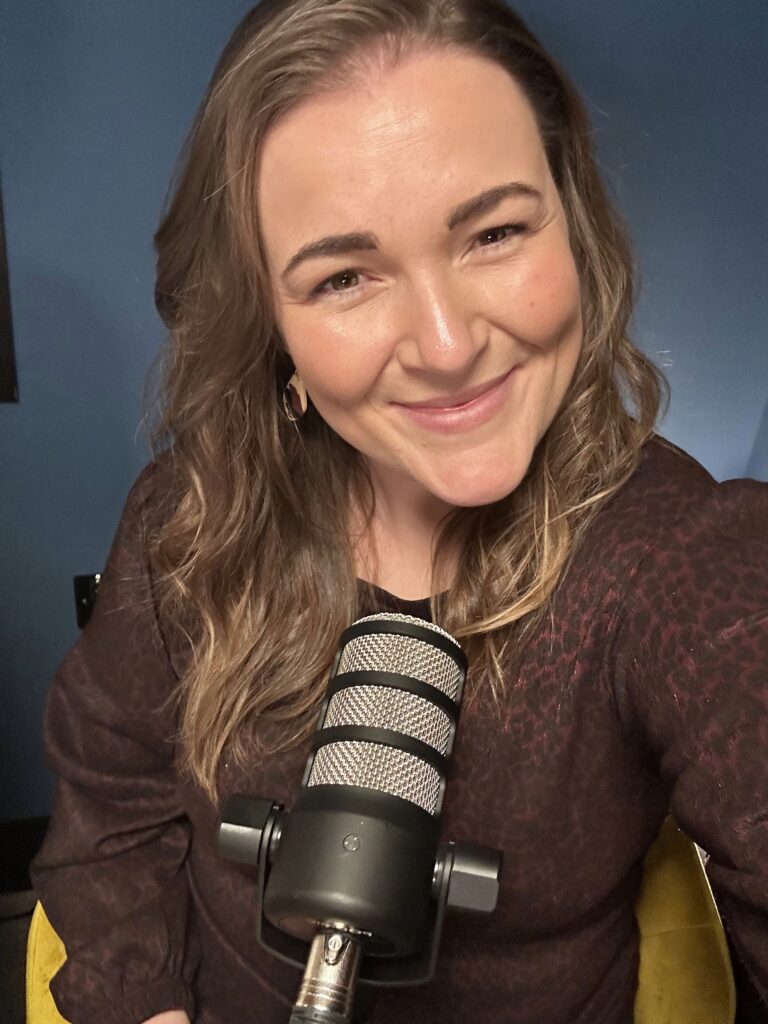
I am part of a collective of parents who run Hirschsprung’s Disease UK, who provide resources and raises awareness for those living with the condition. It’s so great to see the amazing response we have had so far. We hope to bridge the gap between the shock of diagnosis and a place where families feel informed, supported and less alone.”
What do you wish other people knew about digestive conditions, such as Hirschsprung’s disease?
“As with many digestive conditions, Hirschsprung’s is invisible. On the outside, we might look like a typical family, but nobody sees the dark days behind closed doors. The days when you’re packing for another hospital admission and fighting for support and supplies. Most people with the condition can go on to have a good quality of life, but it doesn’t mean it isn’t difficult at times.”
Glossary of medical terms
- Ileostomy: An ileostomy is a surgical procedure that creates an opening from the small bowel. This then diverts the contents through the abdominal wall into a medical bag, which is adhered to the abdomen.
- J-Pouch: A surgically created internal reservoir used to collect waste. It is made from the end of the small intestine (the ileum) and is shaped like the letter J. It replaces the rectum and large intestine (colon) after they are removed.
- Loop ileostomy: A loop ileostomy is a temporary surgical opening that brings a loop of the small intestine (ileum) onto the surface of the abdomen to divert waste into an external bag.
- Peristalsis: The motion that pushes poo through the bowel and back passage (anus).
- Pull-through surgery: A type of surgery primarily used to treat Hirschsprung’s disease. The affected part of the large bowel is taken out, and the healthy sections are joined together.
- Total colonic aganglionosis (TCA): A type of Hirschsprung’s disease where the entire large bowel (colon) lacks nerve cells. This can also extend into the small bowel.
About Guts UK
Guts UK is the national charity for the digestive system and the only UK charity funding research into the whole digestive system.
We provide information and support for people affected by digestive conditions such as Hirschsprung’s disease, including a dedicated Helpline.