Samantha’s story
Chloe and Amie share their mum’s pancreatitis story to spread vital awareness in her memory after she sadly lost her life to the condition earlier this year.
Note: At Guts UK, we want our stories to be easy to understand for everyone. If any medical terms in Samantha’s story are unfamiliar, you can find definitions in our medical glossary below.
Tell us a little bit about yourselves and your mum, Samantha.
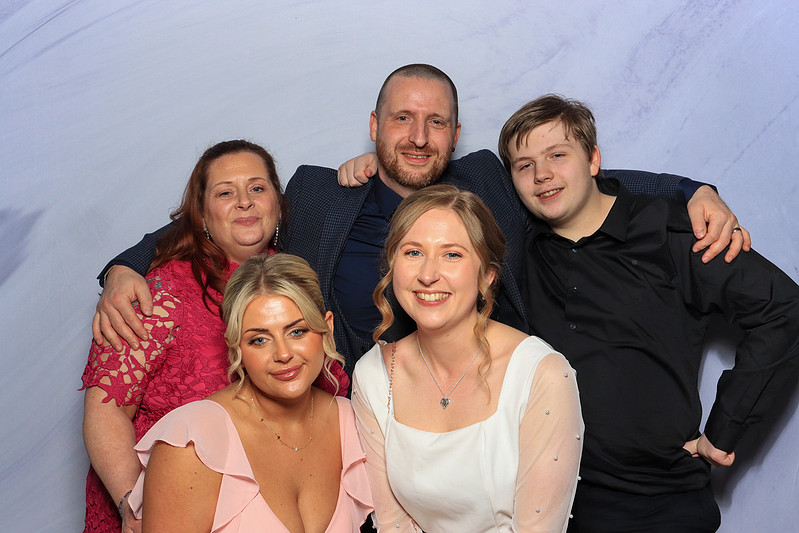
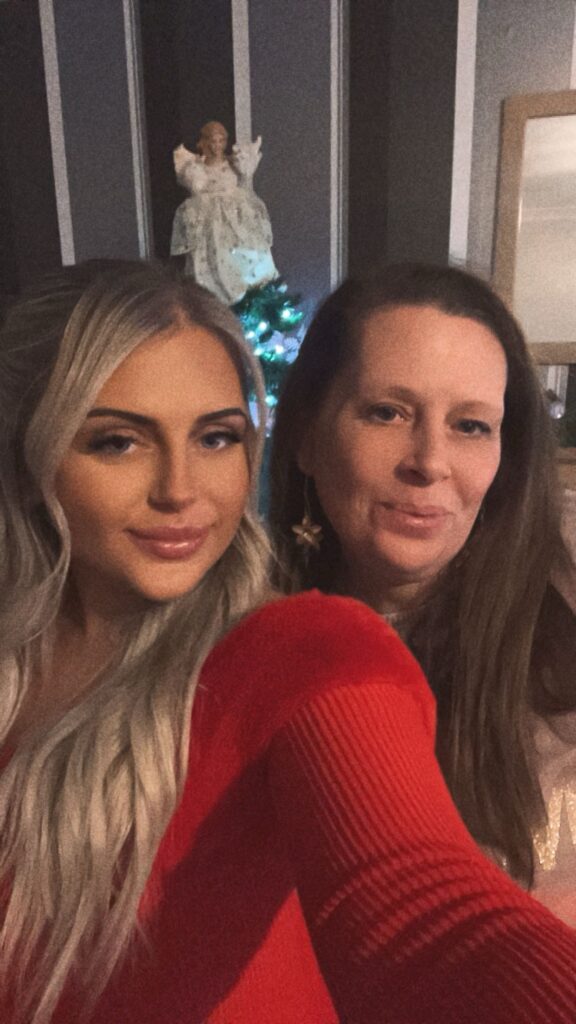
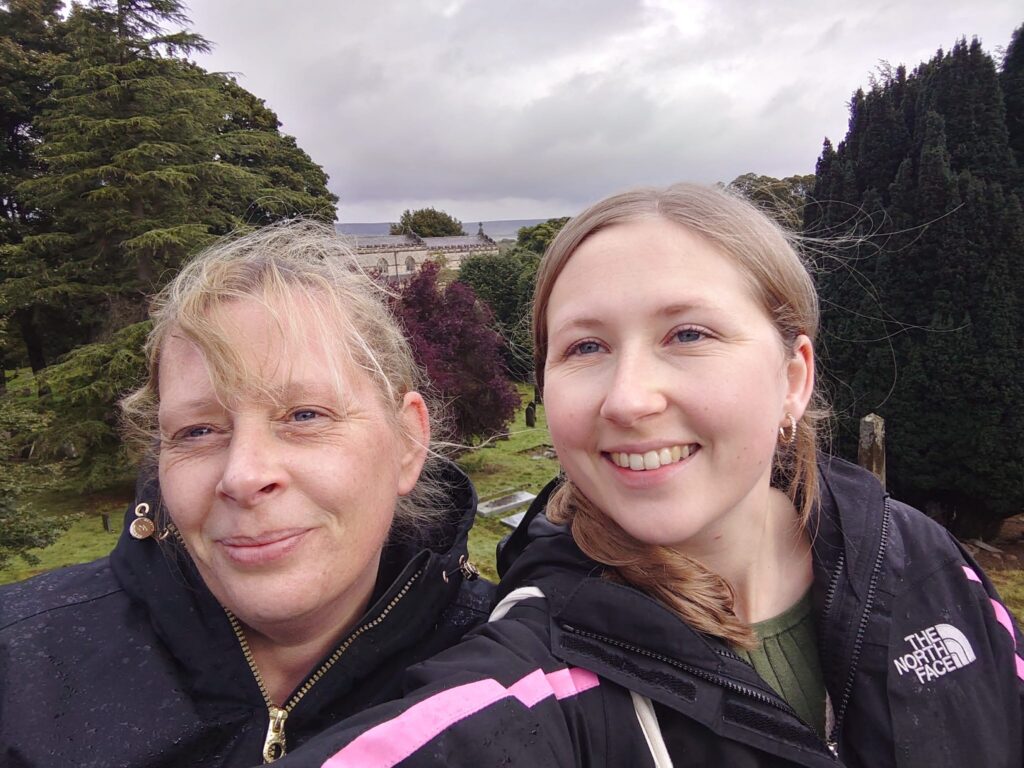
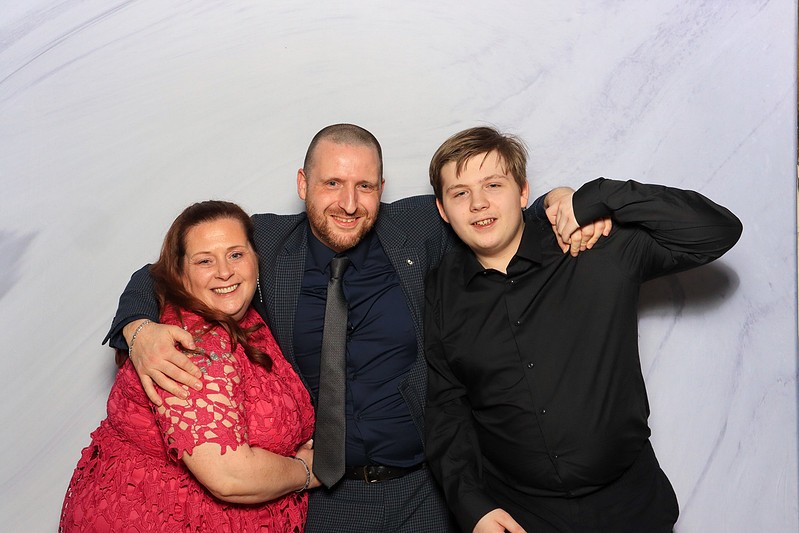
“Samantha, our mum, has three children. I’m Chloe and I’m 28, Amie is 31 and Ben is 17. We are a very close family. Growing up, my mum raised me and my sister as a single parent, until she met her husband and Ben’s father, Steve.
Mum was the light in every room and always had a smile on her face. She’s the most selfless person I’ve ever known. If you needed anything, mum would be the first person there.
Mum loved crafting. She’d sit down and have her own little crafting session, listening to true crime podcasts. She loved animals and we’ve always grown up with cats in the house, and we have a family dog too.”
When did your mum’s symptoms of pancreatitis begin and what were they?
“It was 21 May 2026. My mum had spoken to me through text a couple of times that morning and had wished Amie a happy birthday. There was nothing wrong that she’d let on.
At 10:30am I got a call from my younger brother, Ben, whilst I was at work. He told me to come home and that Mum was going in an ambulance to hospital because she had chest pain and was being sick.
Ben had found her on the floor in the living room. She was retching and trying to be sick, but nothing was coming out apart from a ground-coffee type substance. She was excessively sweating and could barely stay conscious.
She told us she thought she was dying because of the pain.”
Tell us about your mum’s diagnosis of pancreatitis
“Mum waited for 16 hours in A&E before she was seen by a doctor. She was then given a CT scan, and we were told it was acute necrotising pancreatitis and advised not to Google the condition. She was then transferred to the intensive care unit (ICU).
The doctor told us, ‘It’s like a bomb’s gone off in there. Your mum could die in the next 24 to 48 hours.’
They identified one gallstone in her gallbladder on an ultrasound scan, so they put the pancreatitis down to gallstones.
We were told there was no treatment that they could give her that would fix it, apart from just supporting her body.”
What supportive treatment did your mum receive for pancreatitis?
“When mum first went into ICU, she had IV fluids and they gave her a button she could press for pain relief.
After 48 hours, she was sitting up in a chair. She could have a coffee and she was looking quite well considering everything.
We thought the worst was over. We thought she was coming home. There was no doubt in our mind.
Her organs hadn’t failed, so that was a good start. But it turns out she had portal vein thrombosis as an inflammation response. She developed multiple blood clots and was put on blood thinners straight away. Her bowel was also badly inflamed.”
Talk us through your mum’s experience in hospital.
“Mum had a lot of swelling in her stomach, so she had drains put in and a lot of liquid came out very quickly. After about three and a half weeks, we got the first emergency call from the ICU nurse in charge. He said, ‘Things aren’t good, you need to get in.’
The swelling had gotten that bad on her tummy, it was pushing on her lungs and she couldn’t breathe. She could barely speak to us. You could see she was scared.
They discussed taking her to another hospital to operate on her pancreas, but the procedure had a high death rate, so the doctors decided to proceed with alternative methods.
They put two new drains in her stomach and drained 800ml out of her. She recovered well from that and was moved onto a normal ward, but the fluid kept building up again.
She had a C.diff infection for two weeks which made her weak and affected her bowel. She also caught another bug, so was fighting two different infections.
Her own mum passed away while she was in hospital. It was a week and a half after she went into ICU, so she struggled with the grief and not being able to say goodbye to her own mum, whilst also trying to fight to save her own life.”
How did you support your mum whilst she was in hospital?
“Mum was in hospital for 61 days. We were very much taking care of her.
We were doing her daily exercises with her and massaging her legs and her feet because she couldn’t move. We’d do her hair every night, we’d do skincare and we’d help to feed her.
Her muscles had deteriorated from the time that she’d spent in hospital, and she had gotten weak. She was so determined to get back home that she really pushed herself in her physio sessions.”
What complications did your mum experience?
“Mum kept having a lot of fluid build-up so they were seeing whether they should put a new, bigger drain in. The procedure was quite dangerous because it needed to be right near the spleen, so the doctors decided not to do it.
About two days later, dark red blood started coming into mum’s drain bags. We were told it was nothing to be concerned about because it looked like old blood. She didn’t have a scan because it wasn’t thought to be an active bleed.
The day she passed, she had a massive internal bleed and because of the blood thinners that she was on, it couldn’t be stopped.
She’d lost seven units of blood. They were trying to reverse the blood thinners that they’d put in that morning. They were giving her plasma and were trying to keep everything going, but her condition deteriorated really quickly.
We weren’t able to have that final conversation with her, we just had to say goodbye to her the best that we could. We were playing some of her favourite songs and talking to her and spending whatever time we had left with her. Trying to tell her how much we loved her and how much she meant to us.”
What do you wish others knew about pancreatitis?
“To be honest, before this happened to mum, we couldn’t even tell you where the pancreas was. We didn’t realise that something like this could happen and be so destructive. Despite all our mum went through, she always had a smile on her face.
Amie had her wedding two weeks before mum went into hospital and mum was dancing. It’s hard having to watch someone you love go through this, knowing only they can fight it. And it’s whether her body could do it. And ultimately, no matter how strong she was and how many odds she defied, the body can only take so much. And with no treatment, it killed her.”
Why are you sharing your story with Guts UK?
“Mum signed up to be part of University of Edinburgh’s research project into necrotising pancreatitis while she was in hospital, and we want to continue her fight so that other people don’t have to go through what mum went through.
Coming across Guts UK, we knew straight away we need to help fight for this cause. We’re doing a fundraising challenge in November. We’re going to be doing a mixture of things, adding up to 61km to mark the 61 days mum was in hospital.
What mum went through can’t be for nothing. We want to make a difference by sharing her story and her legacy and everything she did to fight it.”
Glossary of medical terms
C.diff: C.diff is a type of bacteria that can cause diarrhoea. It often affects people who have been taking antibiotics.
CT scan: A non-invasive test that takes detailed pictures of the inside of your body.
Gallstones: Gallstones are small, solid lumps that form in bile. They usually cause no symptoms and most people with gallstones are unaware that they have them. However, in some people they can cause problems.
Necrotising acute pancreatitis: A serious complication of acute pancreatitis that occurs when part of the pancreas dies due to a loss of blood supply to the pancreas.
Portal vein thrombosis: Portal vein thrombosis is a serious vascular condition where a blood clot (thrombus) blocks or narrows the hepatic portal vein, the main vessel that carries blood from the digestive organs and spleen to the liver.
About Guts UK
Pancreatitis is a priority area for Guts UK and we fund research into pancreatitis that has the potential to change lives. Our Kranky Panky Pancreatitis Awareness Campaign takes place each November and builds a community of those affected by pancreatitis, comforted in knowing they’re not alone. Our expert information allows those with acute pancreatitis and chronic pancreatitis to take control of their health, and make informed decisions.
We believe it’s time the UK got to grips with guts. Your support takes us one step closer. Donate today.