Richard’s story
"Pancreatitis turned my life on its head overnight. I have become a type 3 diabetic and have pancreatic enzyme insufficiency (PEI)."
Tell us a little about yourself
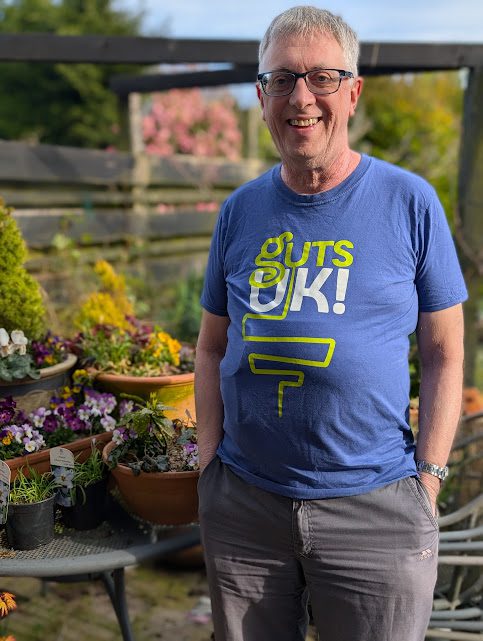
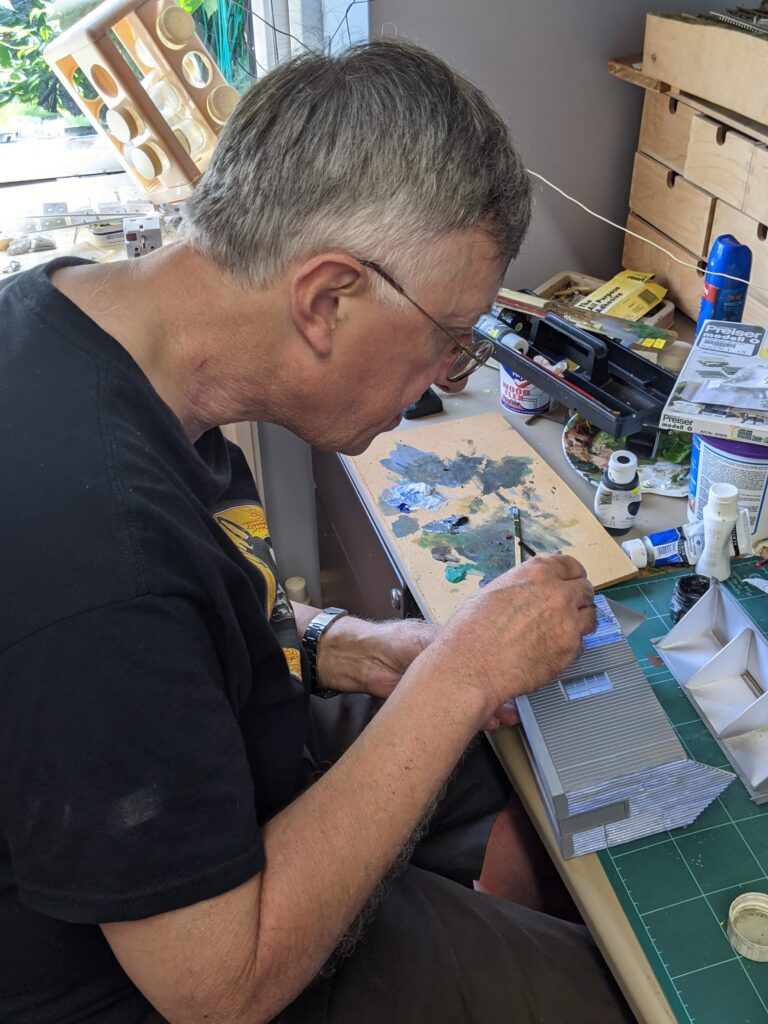
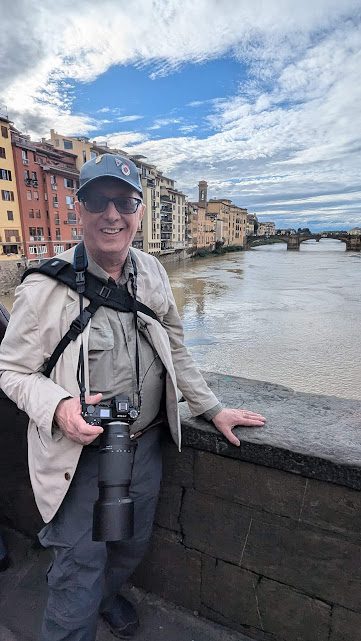
“I’m Richard and I’m 60 years old. I’m married and we live close to the sea on the south coast. I work in law and order as a researcher and my hobbies include gardening, photography and travel. I also love building model railways and staging exhibitions, the latter of which I have done to support Guts UK charity.”
Can you describe when your symptoms started and what they were?
“In August 2019, I went to bed as normal but suddenly became unwell in the middle of the night. I experienced severe abdominal pain, just below the ribs, nausea (feeling sick) and vomiting (being sick), and diarrhoea.“
Talk us through your journey with pancreatitis
“I called 111 for medical advice and an ambulance was sent. In A&E, everything felt a blur. I was in so much pain. Blood tests led to a diagnosis of acute pancreatitis.”
Note: If the pancreas has been damaged, pancreatic enzymes called amylase and lipase can show in these blood tests. Sometimes, the early diagnosis of acute pancreatitis is not clear, so a CT scan is often done to assess the extent of the damage to the pancreas.
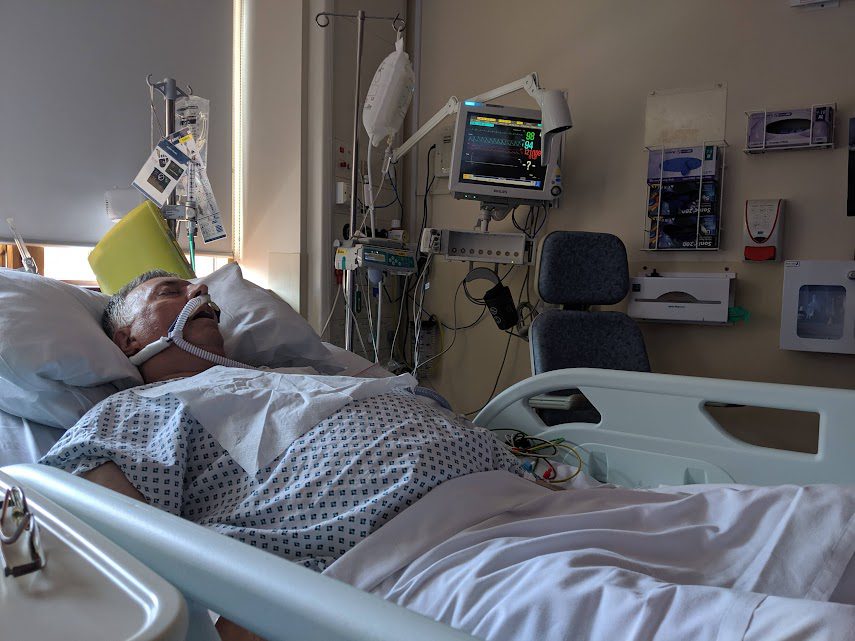
“I was placed on a general ward and had an ultrasound scan (a medical imaging technique which uses sound waves to create images of inside the body). This is because they suspected gallstones could be a cause. I was told I’d be in hospital for a few days. It ended up being over four months!
I had a significantly high heart rate, and doctors were concerned I was developing sepsis (a life-threatening reaction to an infection) amongst other things. I was assigned a critical care nurse and was moved to the intensive care unit (ITU).”

How did your time on the ITU affect you emotionally?
“Being in the ITU had a huge impact on me. Initially, everything felt so hazy, and I was prescribed morphine for my pain. I remember having some very dark hallucinations and dreams.
As time went on, I slowly learnt to cope with my new reality. To cope with being ill, being in pain, constantly feeling sick, and being dependent on nurses for help with the toilet and personal care. I had a few procedures done, one of which was the insertion of a central line (a long, thin tube inserted into a large vein in the neck), to deliver medication.
Five weeks on, I was transferred to a specialist centre. I had a stent inserted into a pancreatic pseudocyst (a fluid-filled cavity). I also had gastrojejunostomy surgery (where a connection between the stomach and the middle part of the small intestine is made). I had my gallbladder and dead pancreatic tissue removed at the same time. I was told that this surgery was very high risk, but thankfully, I pulled through.”
How has pancreatitis impacted your life?
“Pancreatitis turned my life on its head overnight.
I had to take a year off work and attend multiple hospital visits. I have become a type 3c diabetic and have pancreatic exocrine insufficiency (PEI). When I eat, I take Pancreatic Enzyme Replacement Therapy (PERT), along with other prescribed medications, such as insulin for my diabetes.
Due to my surgical wound failing to heal, I also have a large incisional hernia (a protrusion of abdominal tissue and/or organs through a weakening in the abdominal wall, which forms at the site of a healing surgical incision) which doctors have told me is risky to repair.”
Note: 25 to 80 people in 100 with chronic pancreatitis will develop diabetes within 10 to 20 years.
Is there anything you would have found helpful to know before being diagnosed?
“It would have been helpful to know what signs and symptoms to look out for, for both gallstones and pancreatitis. I now realise that I had a previous, short-lived pancreatitis flare-up (onset of symptoms) about 18 months earlier.”
Why would you like to share your story with Guts UK charity?
“The more people are aware of the warning signs, the earlier they can seek treatment and avoid the catastrophic impact often caused by pancreatitis. I would love to see more effective treatment options developed in the future.”
About Guts UK

Pancreatitis is a priority area for Guts UK charity. We fund research into pancreatitis that has the potential to change and save lives. Our Kranky Panky Pancreatitis Awareness Campaign each November builds a community of those affected by pancreatitis, comforted in knowing they’re not alone. Our expert information allows those with pancreatitis to take control of their health, and make informed decisions.
We believe it’s time the UK got to grips with guts. Your support takes us one step closer. Donate today.