Mark’s story
"He was writhing in agony. I have never seen someone in so much pain. He was in hospital for a week until the pain subsided, and he gradually returned to eating and drinking."
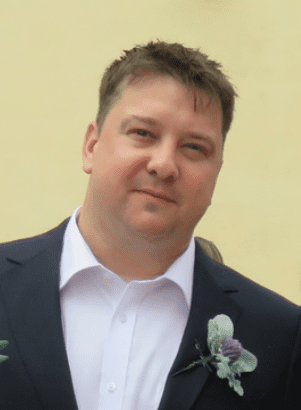
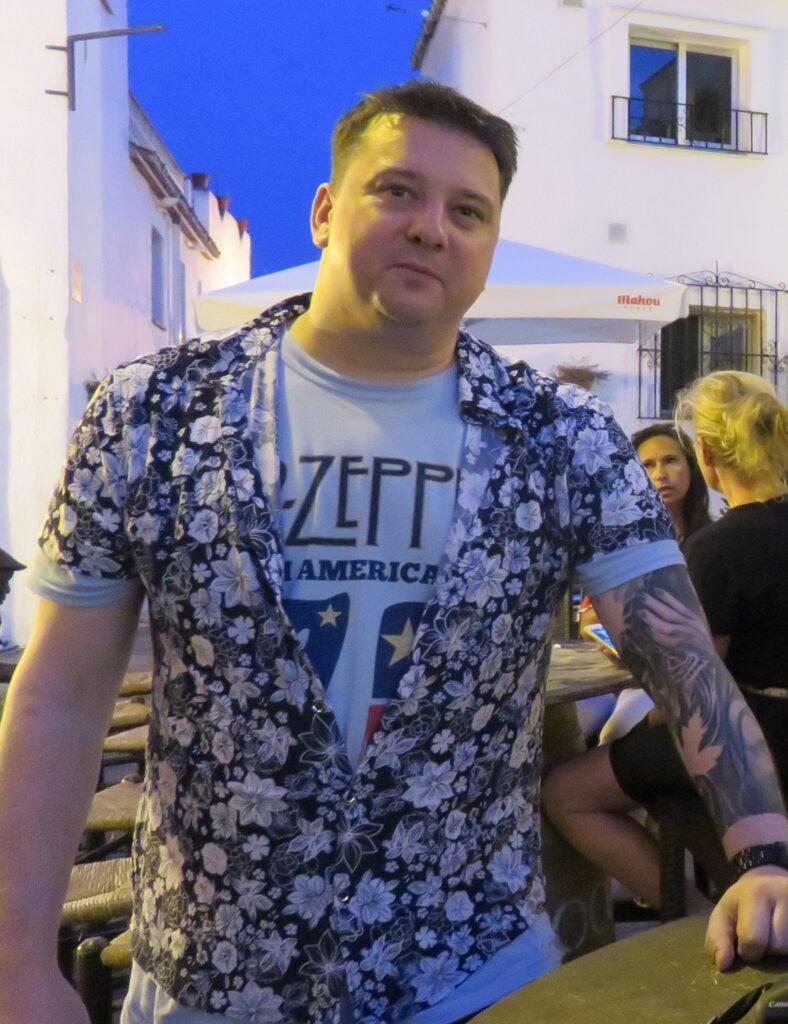
Mark, from Shropshire, was just 46 years old when he died at home from pancreatitis. His mum, Margaret, shares his story with us in the hopes of raising awareness and helping other families affected by the condition.
Tell us about your Mark and your family
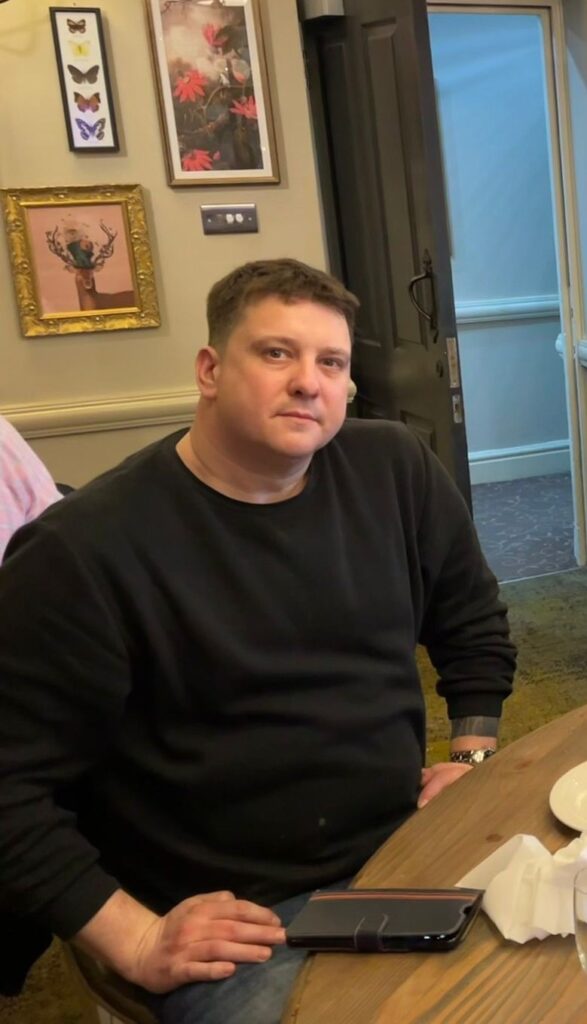
“Mark was the eldest of our two boys, who were close in age and interests. They were both huge supporters of Liverpool football club and loved music – attending gigs, singing and playing the violin and guitar. My husband, Huw, and I are both music teachers, and Mark followed in our footsteps. He obtained two degrees in Music Technology and in later years went into teaching. His students loved him.”
Can you tell us when Mark’s symptoms began and what they were?
“At the age of 22, Mark developed a pain in his stomach. The doctor thought it was a gastrointestinal problem. The following day, the pain had become much more severe. At a follow-up GP visit, Mark was diagnosed with acute pancreatitis and sent directly to hospital. He received prescribed medications and intravenous pain relief (via a needle into the vein). He was writhing in agony. I have never seen someone in so much pain. He was in hospital for a week until the pain subsided, and he gradually returned to eating and drinking.
Like many young men his age, Mark sometimes drank more alcohol than he should have, and this was likely a contributory factor. (Alcohol damages the pancreas. The second most frequent cause of pancreatitis in adults is drinking alcohol above recommended limits).
For almost a year after that first flare-up, Mark was well, until suddenly it happened again… and then again a few years later. It started to become more and more regular.”
Talk us through Mark’s chronic pancreatitis diagnosis
“Four years and many flare-ups later, Mark was diagnosed with chronic pancreatitis. From that moment on, his life centred around managing the pain and adapting his way of life, as he never knew when a flare-up might happen.
Over the years, the doctors tried to reduce his pain relief, but Mark would end up in agony. He was taking prescribed morphine every day to be able to function. Some days, he was still in too much pain to work. He was hospitalised several times, often for five to seven days at a time.
In his mid-thirties, Mark was also diagnosed with diabetes (type 1 but then reclassified into type 3c diabetes later on). (Between 25 to 80 people in a hundred people diagnosed with chronic pancreatitis will develop diabetes within 10 to 20 years.) This meant daily injections and further restrictions on his day-to-day activities.
His illnesses really impacted his life. When he was younger, he had dreamt of travelling and working abroad, but it became too risky.

Did Mark have any surgery?
“Mark transferred to see specialists in London, and at one point, doctors suggested surgery, but they couldn’t guarantee it would make a difference, so Mark decided not to go ahead. He had various follow-up MRI scans over the years to pinpoint the source of the pancreatitis – they eventually found out he had twisted ducts and severe steatosis (a condition where fat builds up abnormally in an organ). Over the following years, Mark had two sphincterotomies (a procedure that involves making an incision in a pancreatic valve to reduce pressure) but still experienced severe pain daily.”
Tell us about 2024
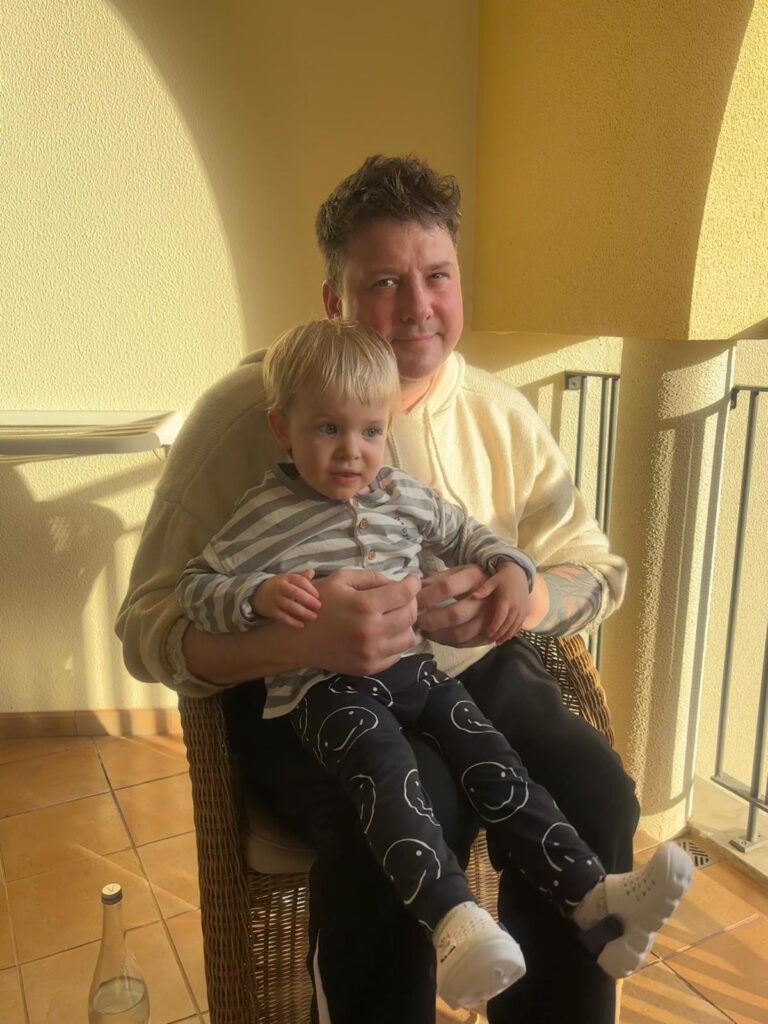
“Mark asked to be referred to his local hospital, as the travel to London wasn’t helping him. Unfortunately, he never got to see his new consultant. Mark sadly passed away in August 2024. We found him at home on his sofa after he failed to show up to meet us for lunch. It was completely devastating.
There are no words to describe the days and weeks that followed. We were all in shock. The autopsy revealed that Mark had a sudden cardiac failure. And, from what we know, his blood sugar levels had been very up and down, which may have contributed to his death. From speaking to his GP since, having to deal with multiple health issues more than likely led to his untimely passing.”
What is one thing you wish people knew about pancreatitis?
“I don’t think people know much about pancreatitis in general – and don’t have any idea what a dreadful, painful and life-changing disease it can be.”
 Why do you support Guts UK charity?
“We wanted to support Guts UK with a collection at Mark’s funeral, as it’s the only charity specifically researching pancreatitis.”
What are your hopes for the future?
“More research into this cruel disease, to help people reach an accurate diagnosis more quickly and hopefully, one day, find a cure. Also consider giving pacemakers to patients on long-term opioids.
It’s important to us that Mark’s legacy might help people going forward and, although sharing his story is incredibly tough, it is worth it if it can help others.”
What you can do to support vital research into pancreatitis
There is no effective treatment for pancreatitis. There is no cure.
Guts UK is dedicated to finding an effective treatment, a cure for this misunderstood and underfunded condition. We are building a community affected by pancreatitis, comforted in knowing they’re not alone.
Our guts have been underfunded and misunderstood for too long. Together, we can change that. For just the price of a cuppa each month, you can regularly donate to our life-saving research today.