
A short introduction to your gut microbiome
Download printable versionWhat is the gut microbiota?
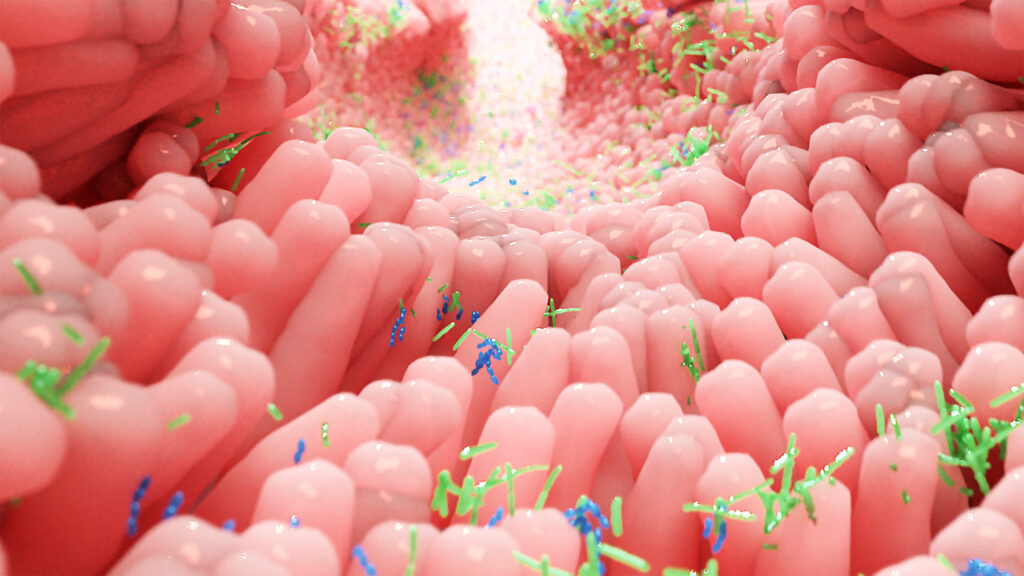
Your gut microbiota refers to all the microorganisms (e.g. bacteria, viruses and yeasts) that live within your gut. In fact, the largest population of microorganisms within the body live within the bowel.
The combination of microorganisms that live within your gut is completely unique to each individual. The human gut microbiota consists of over 100 trillion microorganisms, and weighs around 200g, around the same as an adult hamster!
Why is your gut microbiota so important?
Your microbiota has many functions, including defending against harmful microorganisms and digesting dietary fibre that humans are unable to digest. Your microbiota also eases the absorption of some essential vitamins and could even affect your mental health.
Early research suggests that Parkinson’s disease may initially start in the gut. But we do not know this as a fact yet – much more research is needed. This recent discovery only highlights just how much we’re yet to discover about the microorganisms that occupy our gut, and the connection to our brain.
What influences your gut microbiota?
We can influence our gut microbiota, but only to an extent. There are many factors at play, and some begin before you even leave the womb. See the next section to read about how you can ensure your gut bacteria thrive.
Some factors we can influence:
- For babies, where possible, feeding methods, such as breast milk, artificial milk and the introduction of solid food.
- Any medicines such as antibiotics, acid suppressants and more*.
- Dietary habits and the way food is cooked. The key to a healthy varied microbiome is to eat a varied balanced diet containing different fibre sources.
- Environment and lifestyle factors e.g. rural vs urban and exercise.
- Weight gain.
Some factors we can’t influence:
- Genetics.
- Gestational age; whether you were born preterm vs. full-term.
- Delivery mode; vaginal delivery vs. C-section.
- Ageing.
*Do not stop taking any medicine without discussing this with your doctor.
What can I do to help my gut microbiota thrive?
The food you eat is the main fuel for your gut microbes. A review of the research literature indicates that diet can modify your microbes. This, in turn, has a profound impact on your overall health. Moreover, early studies indicate that gut microbiota composition is different in conditions such as type 2 diabetes, obesity, and inflammatory bowel diseases. But again, much more research is needed to understand the reasons why this happens and whether changes in lifestyle could help.
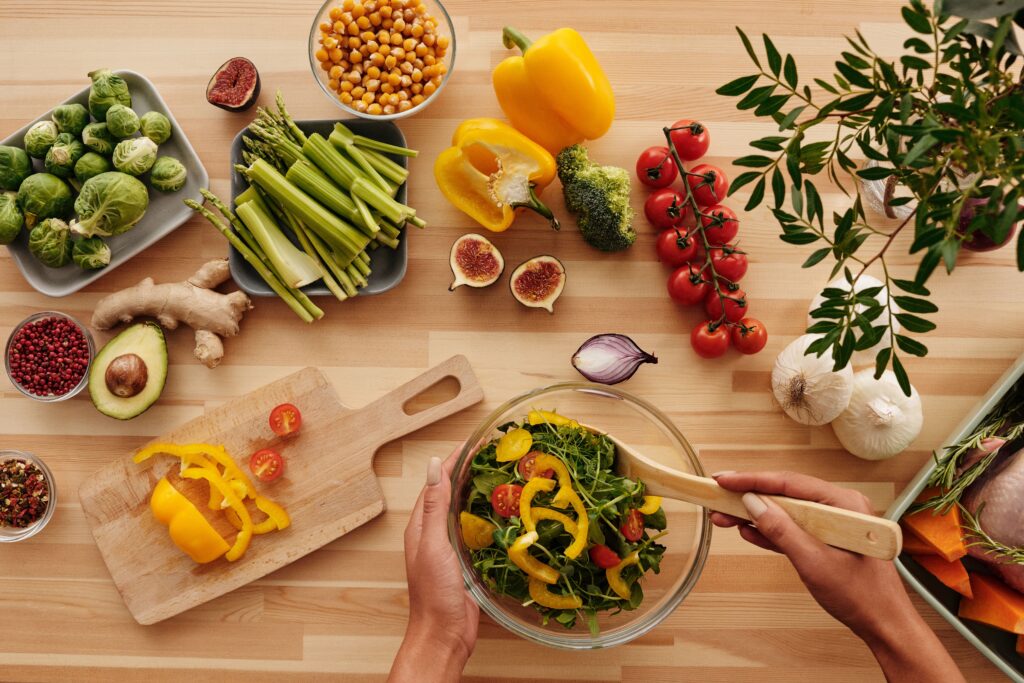
Some of the food that you eat, such as fibre, does not absorb inside your body but feeds the trillions of microorganisms that live in your gut. The type of fibre that feeds your gut microbes is called prebiotic. Prebiotics are substances that are used by the microbes for a health benefit. If we consider our microbes as our gut garden, then the prebiotic is the fertiliser that helps to nourish our gut microbes.
Food sources of these prebiotics are plant foods. Some foods containing larger amounts of prebiotics include artichokes, asparagus, chicory, bananas, berries, tomatoes, garlic, onions, legumes, green vegetables and wholegrain cereals.
Probiotics, which are beneficial strains of bacteria or yeasts, may be added to yoghurts (and some other foods) or are available as food supplements. Probiotics are not harmful for most people with a healthy immune system. There is some scientific evidence for specific health benefits associated with certain probiotic strains. If you have a digestive disease, you should talk to your doctor or dietitian before trying them. Their cost should be borne in mind. More information about the research into probiotics and specific conditions is available here.
We also have more information pages on gut microbiome (poo) testing and gut microbes in health and disease. Please contact [email protected] or call 0207 4860341 to receive copies of the information.
Copyright © 2026 Guts UK. This leaflet was published by Guts UK charity in May 2026 and will be reviewed in May 2029. The leaflet was written by Guts UK and reviewed by the Gut Microbiome Expert Panel of the British Society of Gastroenterology and has been subject to both lay and professional review. All content in this leaflet is for information only. The information in this leaflet is not a substitute for professional medical care by a qualified doctor or other healthcare professional. We currently use AI translation tools on our website, which may not always provide perfect translations. Please check for further explanation with your doctor if the information is unclear. ALWAYS check with your doctor if you have any concerns about your health, medical condition or treatment. The publishers are not responsible or liable, directly or indirectly, for any form of damages whatsoever resulting from the use (or misuse) of information contained or implied in this leaflet. Please contact Guts UK if you believe any information in this leaflet is in error.