Inflammatory bowel disease (IBD)
Inflammatory Bowel Disease (IBD) is a term used for a group of digestive conditions that are characterised by chronic inflammation in the gut.
Which digestive conditions are classed as an IBD?
The three main conditions in this group are:
This is a lifelong condition most often diagnosed before the age of 30. Parts of the gut become inflamed, which can range from mild to severe. Symptoms include diarrhoea, abdominal pain and tiredness.
This condition can be diagnosed at any age, although is most often diagnosed between the ages of 15 to 25. It affects the rectum and the large bowel (colon). Symptoms include diarrhoea, bleeding or passing mucus from the back passage, and abdominal pain.
This condition most often affects people between ages 50 and 70, but it is thought to be under-diagnosed. Symptoms include watery diarrhoea, along with urgency and bowel control issues, often experienced at night-time.
As IBD can affect different parts of the digestive system, symptoms can differ for each person.
Ziyad’s Crohn’s disease story
“My journey began when I was 16, not long after finishing my GCSEs. At first, the symptoms were gradual and felt easy to brush off. I felt run-down, had stomach pain and started going to the toilet to empty my bowels more often than usual. Over the following year, my symptoms worsened. It felt like a cruel loop: pain, vomiting, bleeding and no sleep.
It took a lot of persistence from my family, who could see what was happening to me even when I tried to deny it, to get doctors to take me seriously. After many tests, I was diagnosed with Crohn’s disease.
Just because someone looks fine, it doesn’t mean they are. The phrase “you don’t look sick” is something I’ve heard far too many times, and it’s exhausting.”
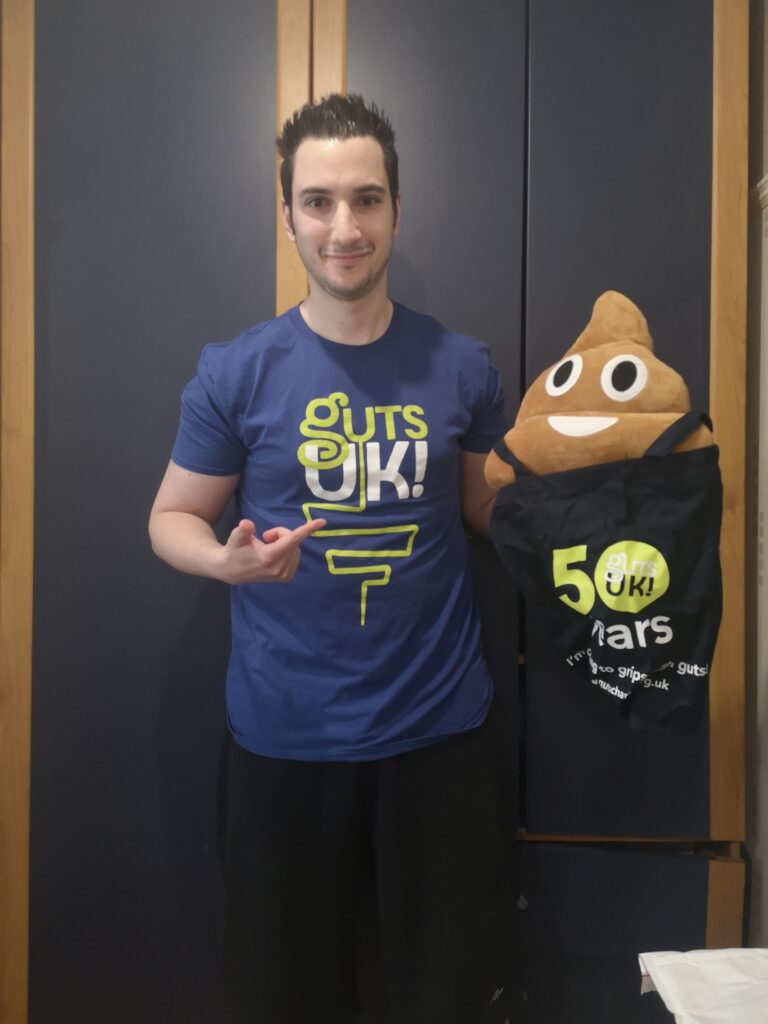
Esha’s ulcerative colitis story
“In 2020, I experienced nausea (feeling sick), stomach aches, lost my appetite and noticed blood in my stools. At the time, I didn’t feel comfortable telling anyone about the blood because of the taboo that so often surrounds it. I felt embarrassed. My GP put my stomach pain down to my periods, but over time, the symptoms became worse.”
In 2021, in unbearable pain, Esha was admitted to hospital, where she spent a week vomiting (being sick), and going to the toilet to empty her bowels up to 15 times a day. Test results led to Esha being diagnosed with ulcerative colitis.
“I know how isolating it can feel to go through something like this, especially as a young person. I want others to know they don’t have to feel ashamed or alone like I did and hide their symptoms. By sharing openly, I hope to raise awareness and help others feel understood whilst breaking the poo taboo.”

Diane’s microscopic colitis story
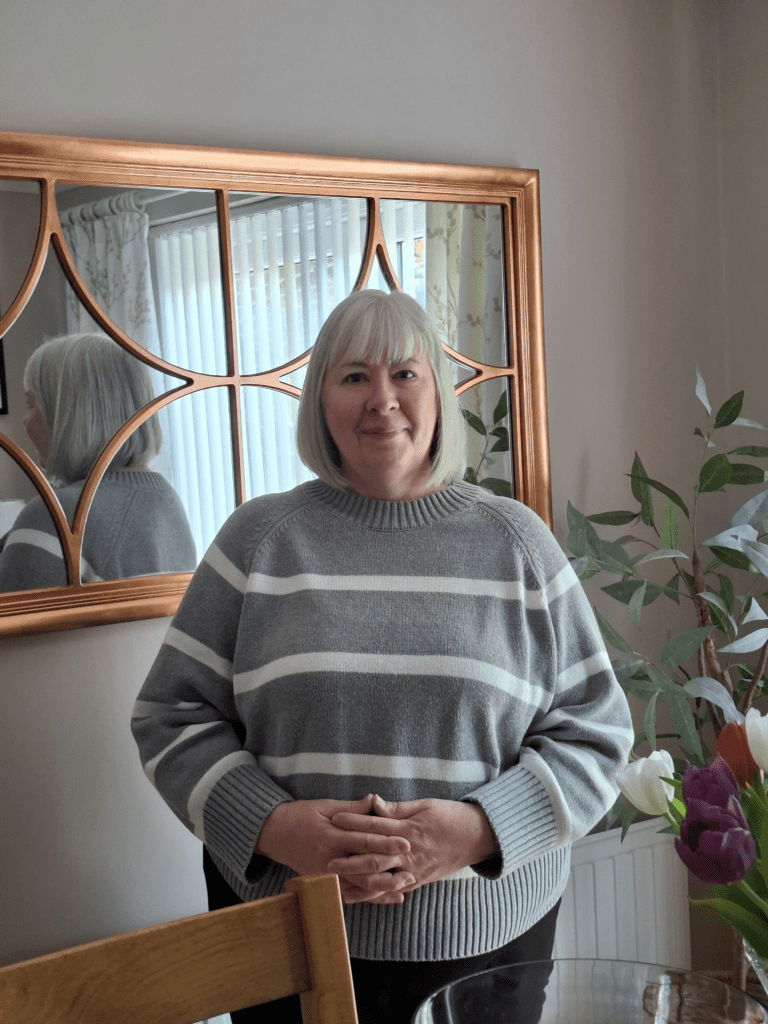
“In 2025, I had urgency to go to the toilet and severe watery diarrhoea. Suddenly, I couldn’t go anywhere if there wasn’t a toilet in sight. I was scared to eat anything during the day in case I had an accident at work, and I’d have to take a spare set of clothes and wet wipes in my car, just in case. My symptoms were the worst at night, and I had to wear adult nappies to bed. One night, I soiled myself, and it took half an hour to clean up. I thought This has got to stop. I need some help. It took me four months to get diagnosed with microscopic colitis. It was the longest four months of my life.
I felt so isolated and alone because nobody I knew had been through it. Microscopic colitis is debilitating, and your life just stops. I felt ashamed, in some ways. You know when something is wrong. I know it might feel embarrassing and that might stop people from getting help, but know that help is there, and life can return to normal.”
Why is it important to raise awareness of IBD?
There are often many presumptions and misunderstandings when it comes to IBD. Not every digestive condition is visible, and those affected by IBD must get the support that they need, when they need it. Guts UK exists to stop people from suffering in silence and alone.
By raising awareness, together, we can combat stigmas commonly associated with IBD and reduce misformation. We can put our patient information into the hands of those who need it when they need it most. We can fund vital research into kinder treatments and ultimately, a cure. Together, we can create a world where talking about your guts, symptoms, and conditions is the norm.
What about research into IBD?
Guts UK is proud to support the bright, enquiring minds of tomorrow in research, including projects on IBD. We recognise the importance of those who bring new insight into the digestive system and reward the work of clinicians, nurses, students and dietitians. Find out more about the research we fund here.
Can 3D ‘miniguts’ help develop new treatments for IBD?
Scientists have been studying IBD for years, but finding new treatments can be challenging. Dr. Ordóñez-Morán is growing 3D ‘miniguts’ using epithelial stem cells from people with IBD to create small gut-like structures. These ‘miniguts’ could one day help develop and test new treatments that improve the lives of adults and children.
Dr. Ordóñez-Morán told us: “It’s hard for adults – it’s hard to imagine what it’s like for children. If their treatment does not work, their symptoms can keep them from having a normal life. I don’t know how to thank Guts UK with words. It has been essential for the development of this project. Supporting research is the best way to go forward and improve the current situation for people affected by IBD.”
Get support from our Helpline
Our Helpline team can provide information, guidance and support about digestive conditions and symptoms, including IBD.
You can contact our Helpline by:
Telephone
The best way to reach our Helpline team is by phone on 0300 102 4887. Our Helpline is open Monday to Friday, 10am to 2pm.
Online form
If you’d prefer, please click here to complete our short online form and a member of our Helpline team will be in touch.

Get support from other organisations
Organisations such as Crohn’s and Colitis UK (CCUK) and Crohn’s in Childhood Research Association (CICRA) can also provide information and support for those impacted by IBD.