Linda’s story – Diverticulitis
"This was the first time I was told I had diverticulitis, where the pouches in the bowel become inflamed or infected. I was sent home, and my GP prescribed a course of antibiotics."
Tell us a little about yourself
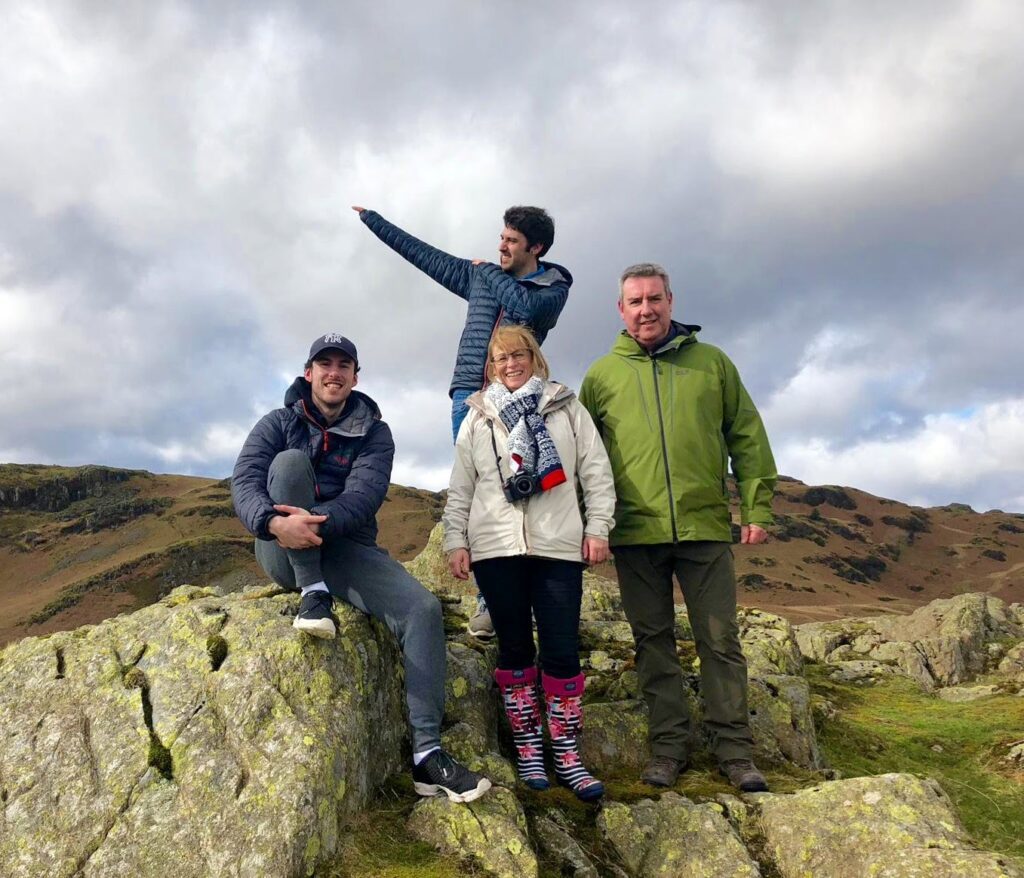
“I’m Linda and I’m 61 years old. I live in Liverpool with my husband Dave, and I have two children, Andrew and Josh. I am the Lead Nurse for the Congenital Heart Disease Network in the northwest. When I’m not working, I love spending time with my family, running, travelling and knitting.”
When did your symptoms begin, and what were they?
“My bowel symptoms started back in 1991, just after giving birth to Andrew. During childbirth, I had a tear in the back wall of my vagina, which damaged the nerves in my bottom. Although it healed, I lost sensation and was left with urgent bowel movements every morning. It didn’t affect my daily life much, so I learned to live with it.
Over the years, I started to get pain on the left side of my tummy, along with increased urgency to go to the toilet. A colonoscopy in my 20s found a few diverticula (small pouches in the bowel wall), but I was told everything else looked normal and was diagnosed with irritable bowel syndrome (IBS). I managed the flare-ups the best I could.”
Tell us how your journey to your diagnosis began
“In 2015, I had to leave work one day because I was in so much pain. Blood tests showed high levels of inflammation, including a high white blood cell count, which are signs of infection. This was the first time I was told I had diverticulitis, where the pouches in the bowel become inflamed or infected. I was sent home, and my GP prescribed a course of antibiotics.
In 2018, I was prescribed a pack of “rescue antibiotics” but wasn’t told when to take them. I decided I’d only use them if I had a fever, which meant I rarely took them.“
What happened in 2020?
“In October 2020, I woke up in the night with severe pain, vomiting, and a high temperature. After speaking to a nurse over the phone, I started antibiotics straight away and had three rounds over the next few weeks. But I still didn’t get better, and I couldn’t get an in-person doctor’s appointment because of the ongoing COVID pandemic.
Finally, in June 2021, during a phone call to review my Hormone Replacement Therapy (HRT), I asked my GP if I could talk about my bowel problems instead. He saw me the next day, was concerned about my symptoms and weight loss, and referred me for an urgent colonoscopy.”
What did the tests show?
“The colonoscopy confirmed diverticulosis (the presence of diverticula). My sigmoid colon, the part of the bowel closest to the rectum, was narrowed and full of twists and turns.
My GP was worried and tried to refer me urgently to a colorectal specialist, but the referral was rejected. He was told my condition should be managed by the GP surgery, not hospital care.
I was referred to a specialist nurse for symptom management, but my problems continued. My bowel movements were worm-like and would sometimes stop completely. I developed a large, painful lump in my stomach. After more GP calls and a gynaecology referral, I finally had a CT scan in November 2021.
A week later, I got a devastating call and was told I might have bowel cancer, and it may have already spread. I was booked in for a repeat test. After not passing anything in preparation for this, I was rushed to A&E in agony, where they repeated the CT scan. The doctor told me the tumour had blocked my bowel.”
Talk to us about your surgery
“At 8 am the following morning, I was taken for emergency surgery. Surgeons performed a Hartmann’s procedure (where the affected section of the large bowel is removed and an alternative path is created for poo to be passed). I woke up with a colostomy (an opening in the stomach wall to divert the bowel contents into a bag).
A week later, I received amazing news: it wasn’t cancer. The blockage and damage were all caused by complications from diverticular disease. While I was relieved, it was still a huge adjustment after such a traumatic experience.”
How are you now?
“I recovered well and am learning to live with my colostomy. But I’ve never seen a specialist for my diverticular disease, which is frustrating. It feels like this condition doesn’t get the attention it deserves – like it’s the “poor relative” of bowel conditions.“
Can you tell us about being involved in the Diverticular Disease PSP and why this is important to you?
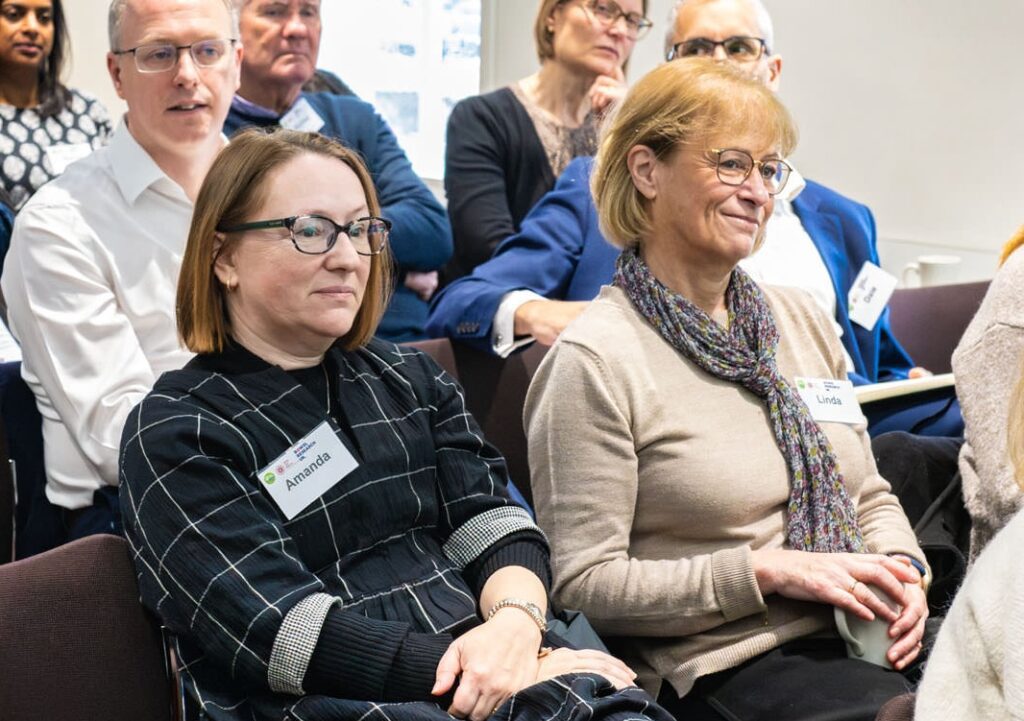
“After my emergency surgery, I wanted to help improve care for others with diverticular disease. My mum also had emergency surgery and a stoma because of it, and now my sister is showing similar symptoms. It made me wonder if there’s a genetic link.
I became involved in the Diverticular Disease Priority Setting Partnership (PSP) to ensure patient voices are included in shaping future research into diverticular disease. These aren’t just scientific questions, they’re about improving quality of life, preventing emergency surgeries, and giving people evidence-based care and hope.“
About Guts UK
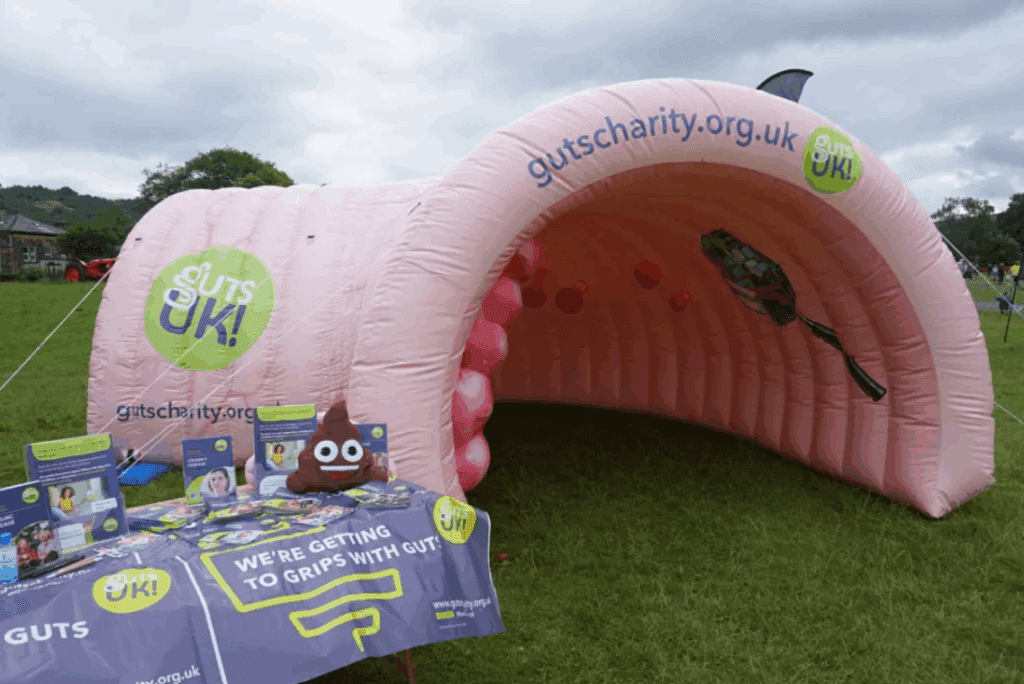
Guts UK is the national charity for the digestive system and the only UK charity funding research into the whole digestive system.
People are suffering. People are dying. All because of a lack of knowledge about our guts. Guts UK exists to change that.
With new knowledge, we will end the pain and suffering for the millions affected by digestive diseases. Please consider donating today. Your donation will help fund research leading to earlier diagnoses, kinder treatments and ultimately, a cure.