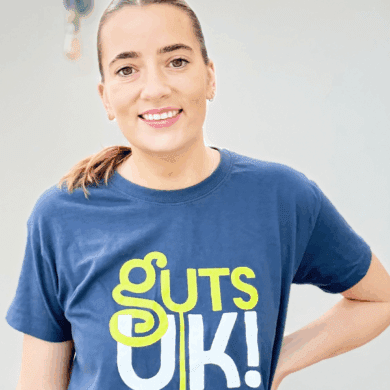
Amy’s story – Crohn’s Disease
Amy is our Communications Officer and has supported Guts UK since she found us in 2021. She has Crohn's disease, a form of inflammatory bowel disease and was the third youngest in the UK to be diagnosed at the time.
Tell us a little about yourself
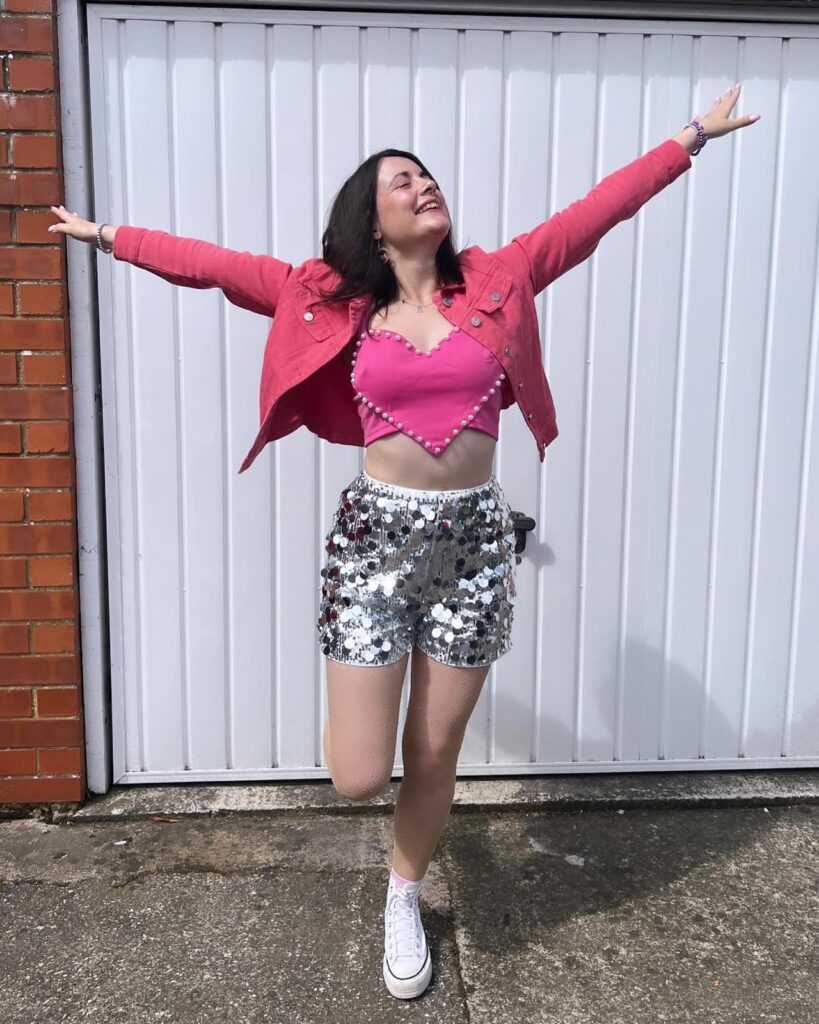
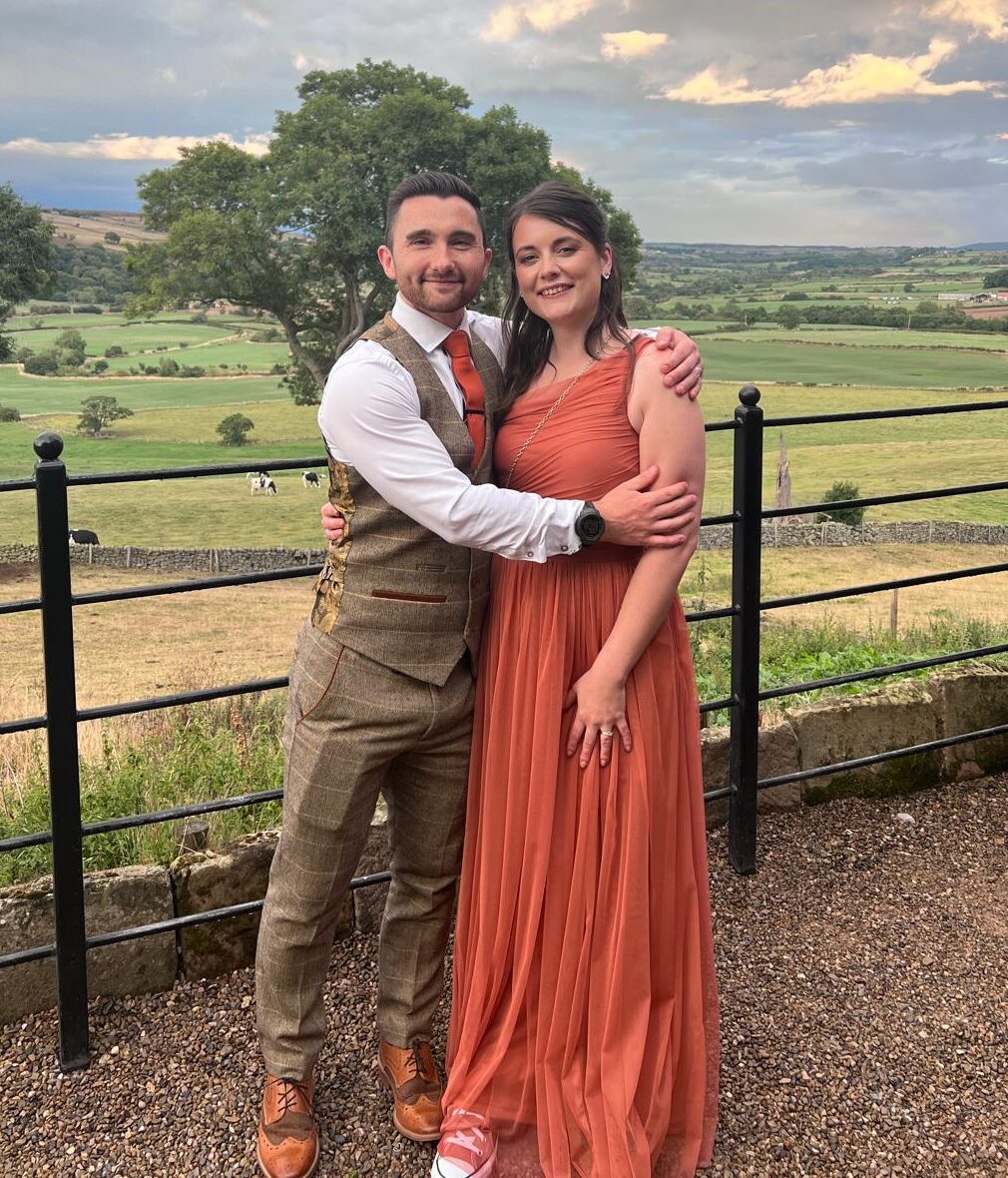
“I’m Amy and I’m 34. I’m from East Yorkshire and I live with my husband, Ben, and our dog. I am so proud to work for Guts UK. My hobbies include beach and countryside walks, yoga and the gym, reading, learning about the body and attending music concerts.”
When did your symptoms begin?
“From as young as I remember, I had symptoms. Mum and Dad told me that as a baby and toddler, I had frequent diarrhoea, and doctors diagnosed me with malnutrition and diverticulitis numerous times. However, nothing ever really got better. It wasn’t until I started junior school that my symptoms really escalated. I experienced debilitating stomach pains, constipation, diarrhoea, urgency, sores around my bum, lost my appetite, felt nauseous, was always cold, extremely tired and was rapidly losing weight. I spent the majority of my first year at junior school in hospital instead.”
When and how were you diagnosed with Crohn’s disease?
“When I was first under the care of the children’s clinic, my Mum and Dad were asked if the family had any history of bowel problems. My uncle, who is sadly no longer with us, had ulcerative colitis. Mum’s side of the family also has a history of bowel problems.
At the time, the doctor decided it was time to look into this further, and, as much as I didn’t like him for it, he referred me for many tests. A few months down the line, I was diagnosed with Crohn’s disease.”
How did you feel as a child being diagnosed with Crohn’s disease?
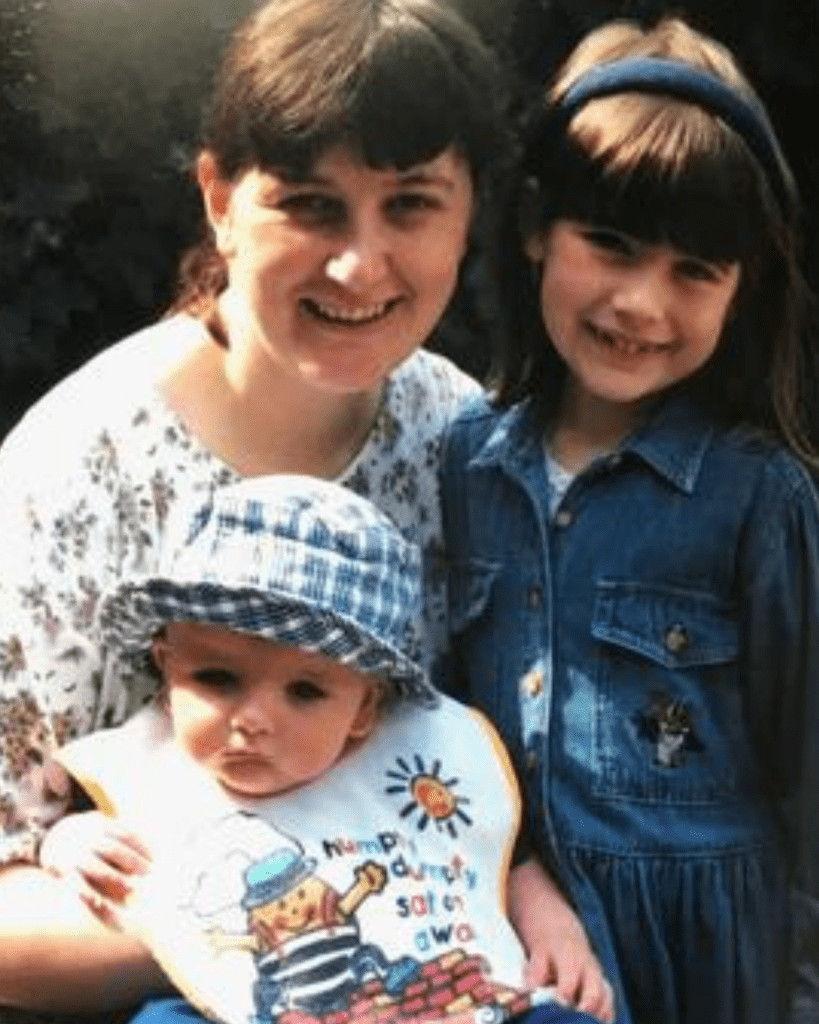
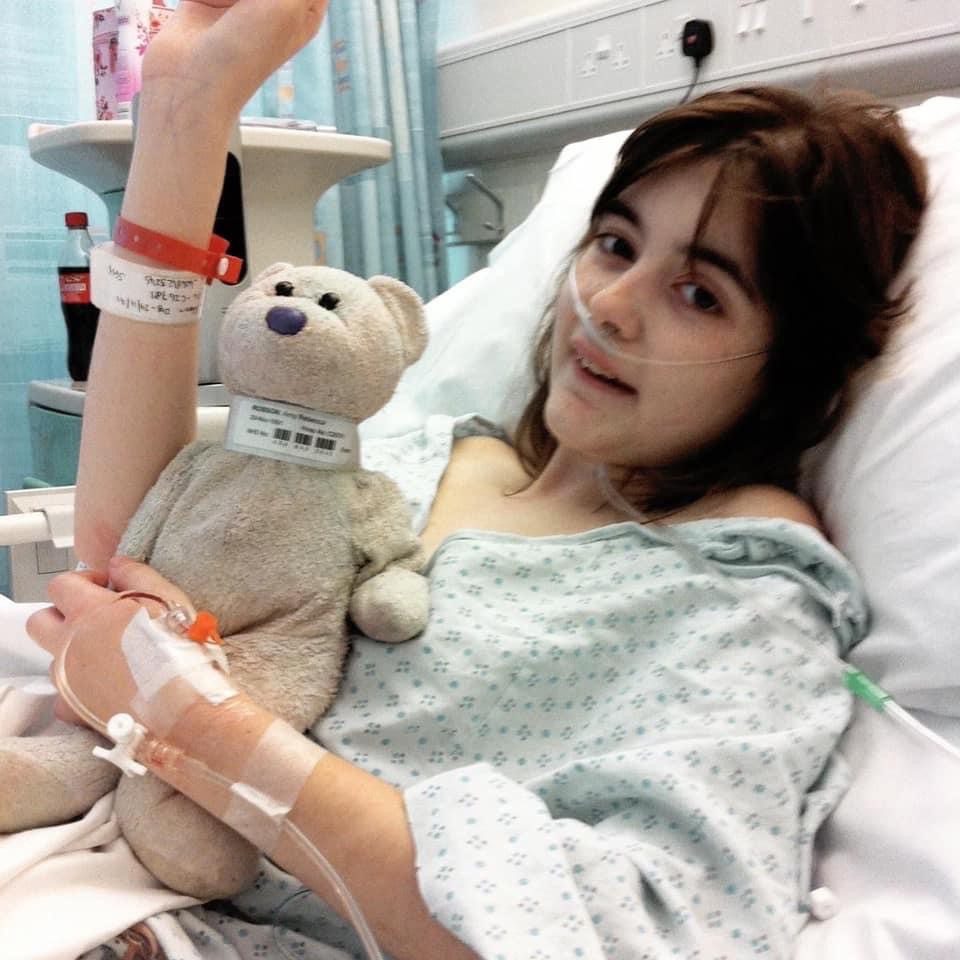
“I can’t remember anything I felt but fear. Hospital, as a young child, was incredibly tough, and I struggled to understand exactly what was going on. I just remember desperately wishing for something to stop my severe stomach pain and to be able to control when I went for a poo. I felt so ashamed as a child, not being able to hold my bowels. At my worst, I tried to make it to the hospital toilet and had an accident all over the ward floor before I got there. I felt mortified. I just wanted mum and dad to take me home to my brother. I just wanted to be okay.
Being the third youngest to be diagnosed at the time, my dad and I had to go to another hospital for a second opinion once a year. So little was known about Crohn’s in children compared to now, and looking back, this very much shows.”
Talk us through your treatment and why you had a stoma formed
“I went through a whole shopping list of treatments for my Crohn’s. I became reliant upon steroids tothe point where even tapering down 1mg would bring on a sudden and severe onset of symptoms. I had other medications, such as other immunosuppressants and aminosalicylates (drugs that are used to reduce swelling). I also went on a liquid diet of prescription supplements. This liquid diet aimed to give my bowel a rest, but it sadly never worked.
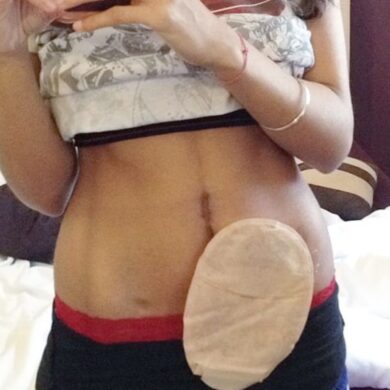
I moved up to the adult clinic just before I was 18 and finally plucked up the courage to have an endoscopy and colonoscopy. I asked for the maximum sedation possible and don’t remember a thing! I’ll never forget the results of this. I often relive it as if it just happened yesterday. My consultant told me it was the worst case of Crohn’s he had seen so far in his career. I was put straight onto an immunosuppressant medication, then months after this, I started on a biologic infusion treatment. Unfortunately, none of these worked, and at age 19, I was told I would need surgery to form a permanent ileostomy. This is a surgical procedure that creates an opening from the small bowel to divert the contents through the abdominal wall into a medical bag, which is adhered to the abdomen. ”
How has your life changed since getting a stoma?
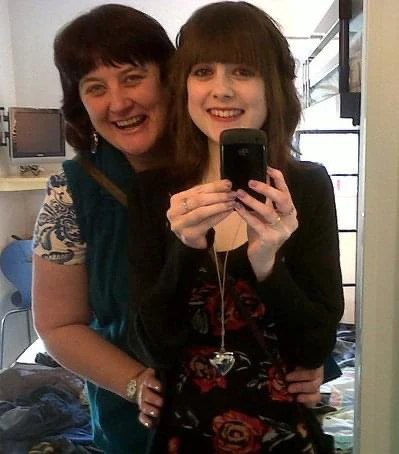
“If we hadn’t operated when we had, there’s a high chance you wouldn’t have survived.” That’s what my surgeon told me the day after my life-saving surgery in 2011. I am thankful for every day I wake up and get to live a fulfilling life. This is something I could only once dream of. Life with an ileostomy isn’t always a walk in the park, but it’s a walk I can usually partake in and make the most of. It’s given me a life. I’m far from just existing, and it’s become part of my everyday routine. Just like brushing my teeth.”
Why are you sharing your story today?
“19-year-old Amy needed to see me now and know it was going to be okay. It would have helped me so much, especially in the early days of recovery. It might sound cliché, but if my pain can help even just one person, then it was worth it all. You’re not alone.”
Glossary of medical terms
Colonoscopy: A thin tube with a small camera on the end is inserted via the back passage.
Endoscopy: A thin tube with a small camera on the end is inserted via the mouth.
About Guts UK
Guts UK is the national charity for the digestive system and the only UK charity funding research into the whole digestive system.
We provide information and support for people affected by digestive conditions like Crohn’s disease, including a dedicated Helpline.