Lisa’s Story – Achalasia and Chronic Intestinal Pseudo-obstruction (CIPO)
"Hearing my diagnoses was a mix of relief and devastation. Emotionally, I felt like I had lost the life I knew, yet I had to find the strength to keep going, for my family and for myself."
Tell us a little about yourself
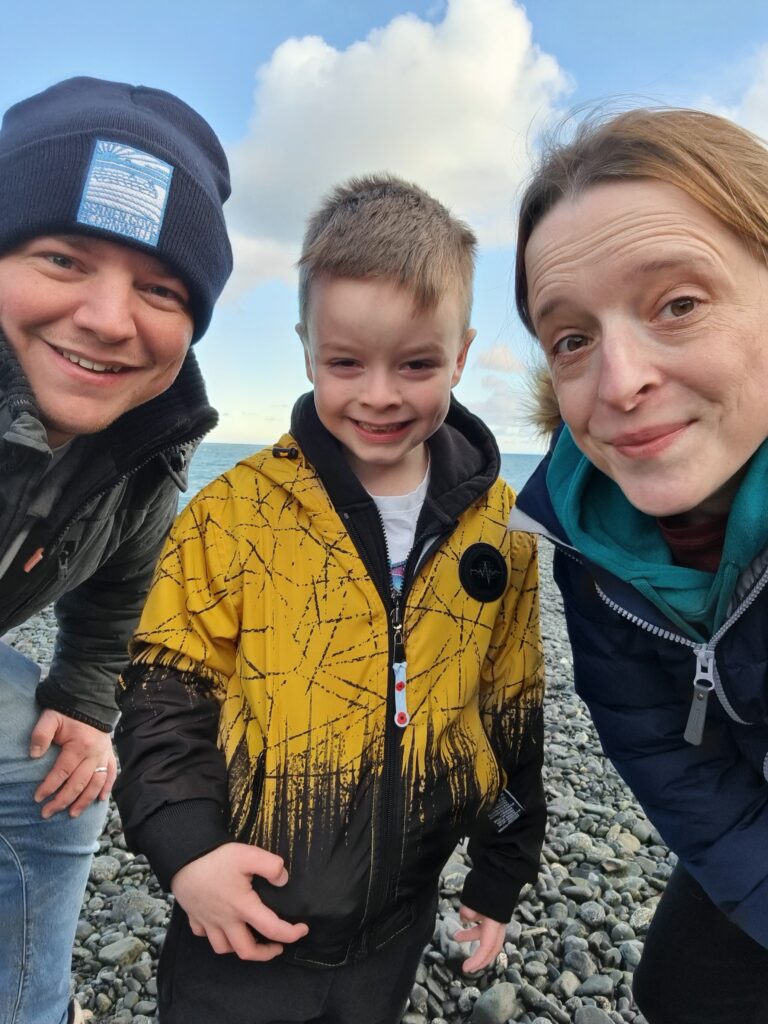
“I’m Lisa and I’m 37 years old. I live in Somerset and I’m a wife to Craig, and a mum to our wonderful 6-year-old son, George. My biggest passion in life is being a mum and we love exploring new places and making new memories together.”
When did your chronic intestinal pseudo-obstruction (CIPO) symptoms begin and what were they?
“My symptoms crept in over many years. I experienced constant bloating, abdominal pain, nausea and severe constipation. Eating became something I feared, and I was often doubled over in pain, with my stomach feeling so swollen and hard to the touch. Doctors kept telling me “It’s just IBS” or “it’s in your head”, but I knew deep down it was more than that. Over time, I couldn’t keep food or drink down. I lost weight, my energy disappeared and everyday life became a struggle. “
Talk us through your journey to your CIPO diagnosis
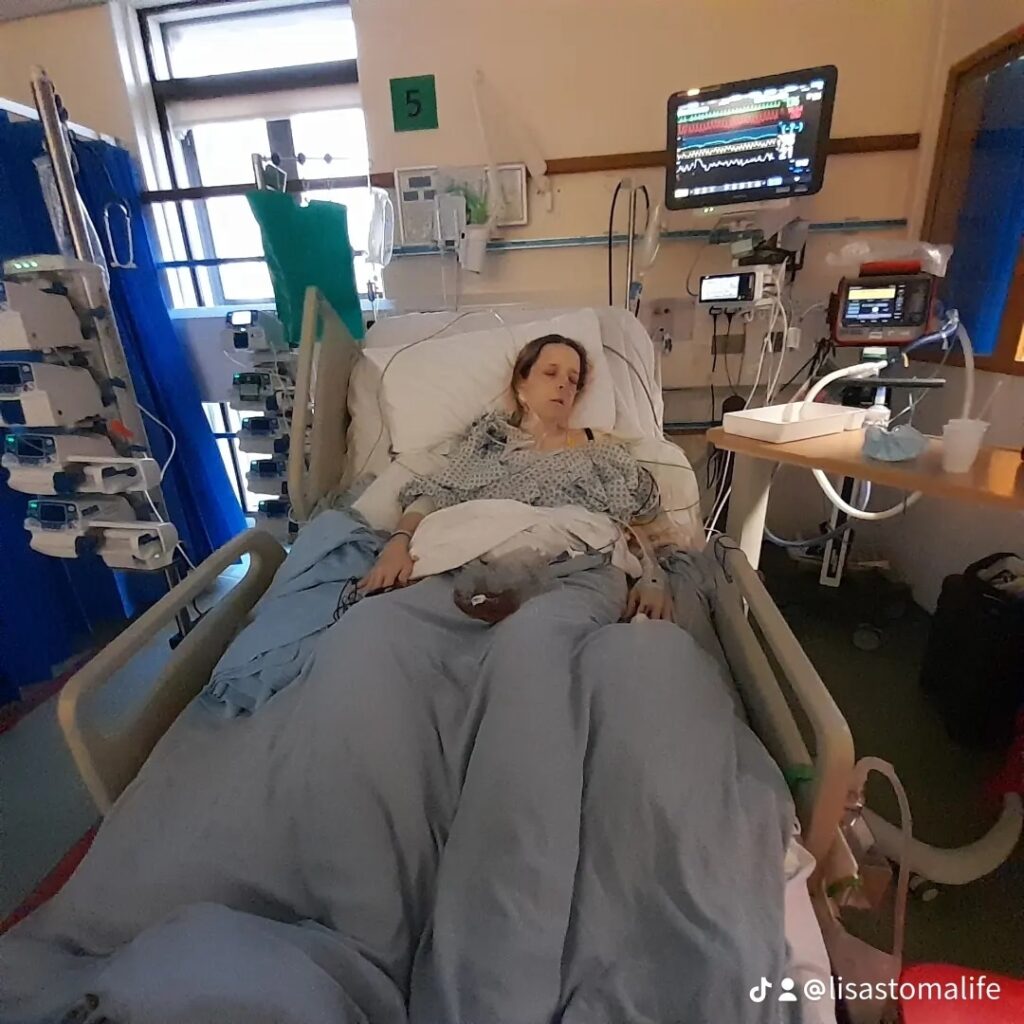
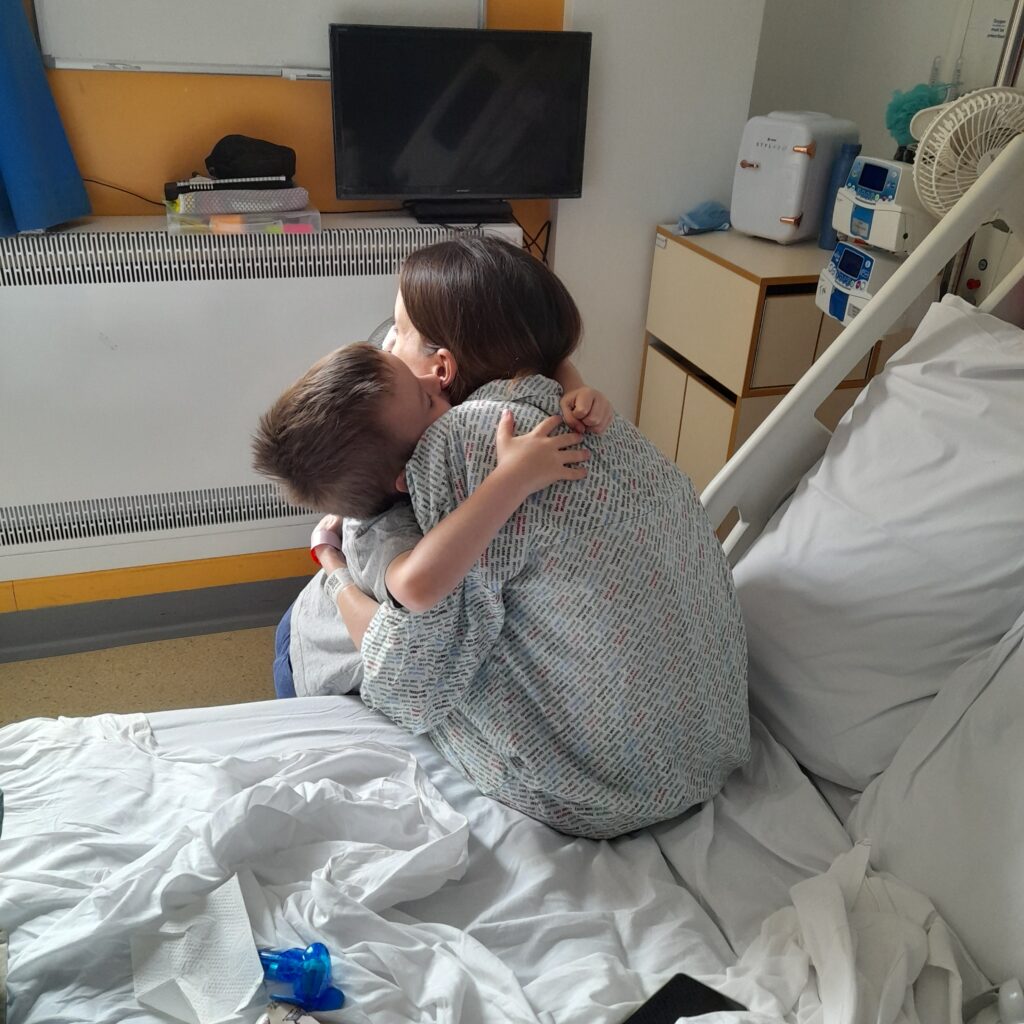
“My journey of 25 years to diagnosis was long, exhausting and often disheartening. I went through endless hospital admissions, invasive tests and procedures, all whilst trying to hold life together.
During 2023, I spent eight months in hospital. I finally started to get answers: Chronic Intestinal Pseudo-Obstruction (an overall term for several rare conditions which can affect any part of the gut (intestine) but primarily the small intestine. Symptoms resemble those caused by a blockage (obstruction) of the gut, but when investigated no blockage is found (hence the term “pseudo” which means false). I was also diagnosed with Mesenteric Plexitis (inflammation of part of the nervous system of the gut). Both conditions are incurable and mean my intestines can’t function normally.
Hearing my diagnoses was a mix of relief and devastation. Emotionally, I felt like I had lost the life I knew, yet I had to find the strength to keep going, for my family and for myself.”
What treatment have you received for CIPO?
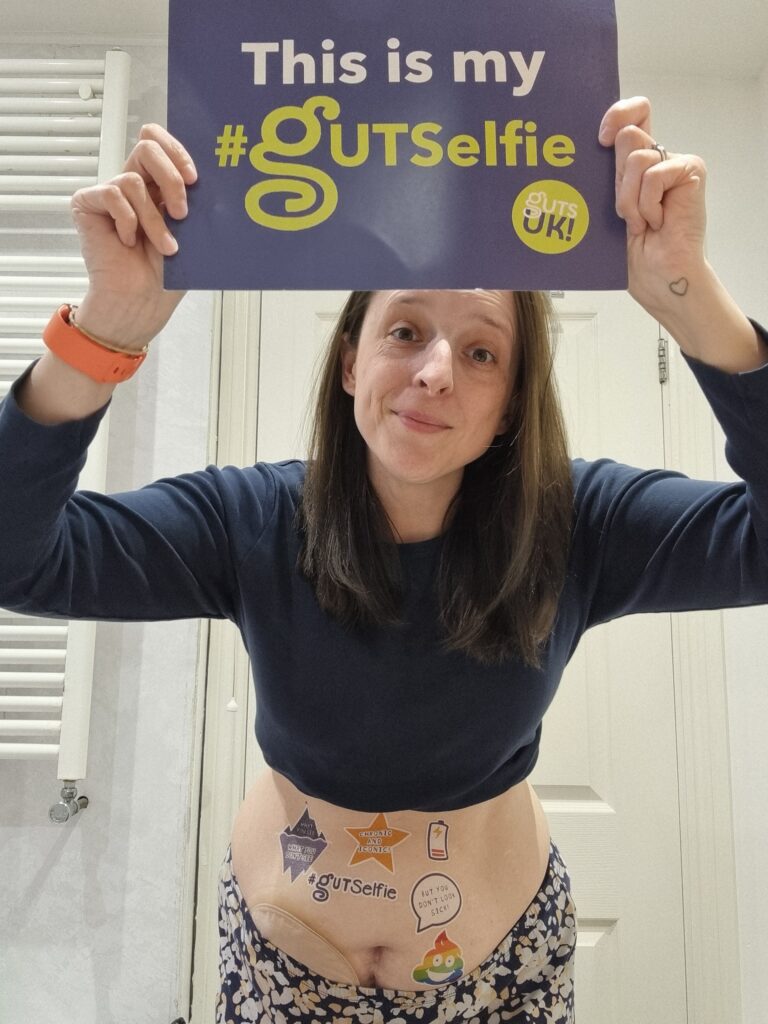
“CIPO has no cure, so treatment is about managing symptoms and complications. In 2023, I had an ileostomy (a surgical procedure that creates an opening from the small intestines to divert the contents through the abdominal wall into a medical bag), giving me some relief from the worst ‘blockages’ and faecal incontinence (the involuntary loss of stool, liquid or gas from the bowel).
Biopsies taken from my removed large bowel during my ileostomy surgery revealed both CIPO and Mesenteric Plexitis had been there too. I was also on home parenteral nutrition (where nutrition is provided directly into the bloodstream at home) for a long time, to keep me alive, as my gut couldn’t absorb nutrients.
Since 2023, I’ve also had an ileoscopy (a procedure where a small thin, flexible tube with a camera on the end is inserted into the small bowel via an ileostomy). Results from this also showed both conditions in my small bowel too. Given that these conditions are largely unknown, my future is unpredictable and uncertain.
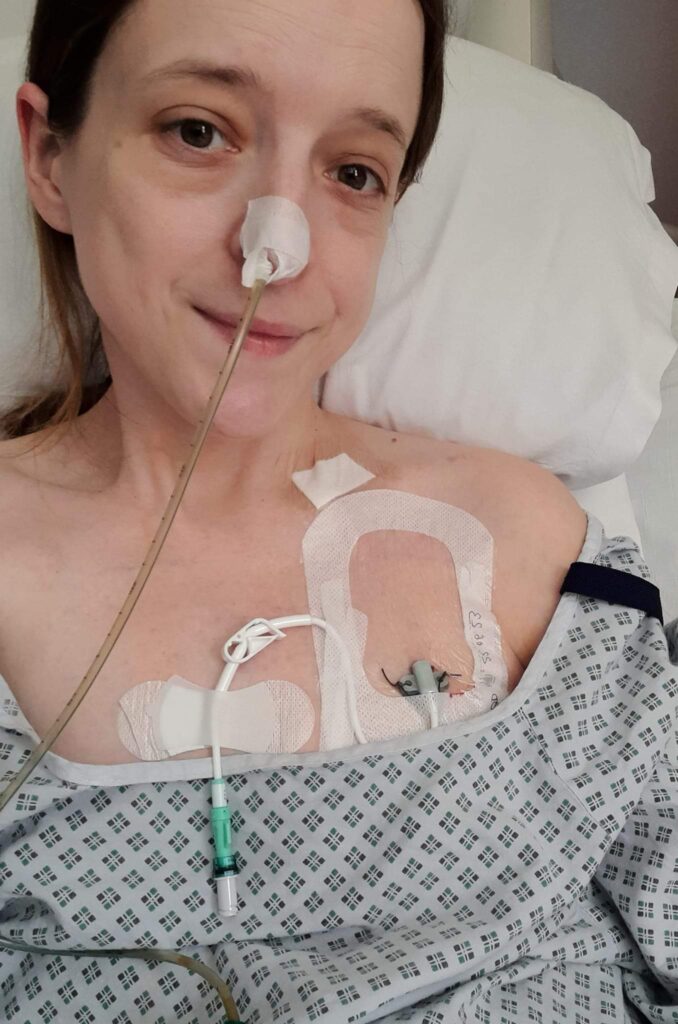
I am monitored regularly at hospital, have monthly blood tests, and take countless prescribed medications. Recently, my Hickman line (a long, thin, silicone tube inserted into a large vein in the chest for long-term intravenous treatment such as parenteral nutrition) was removed and I can now eat and drink enough to maintain my health. I’ll never take that for granted.”
Notes on treatment: Surgery is usually reserved for severe cases and is rarely performed as CIPO normally affects the whole gut. However, if CIPO is thought to be limited to one section of the gut, surgery may be used.
Also, parenteral nutrition is considered only in severe cases as it can also have some severe side effects as a treatment.
Can you tell us about your achalasia diagnosis?
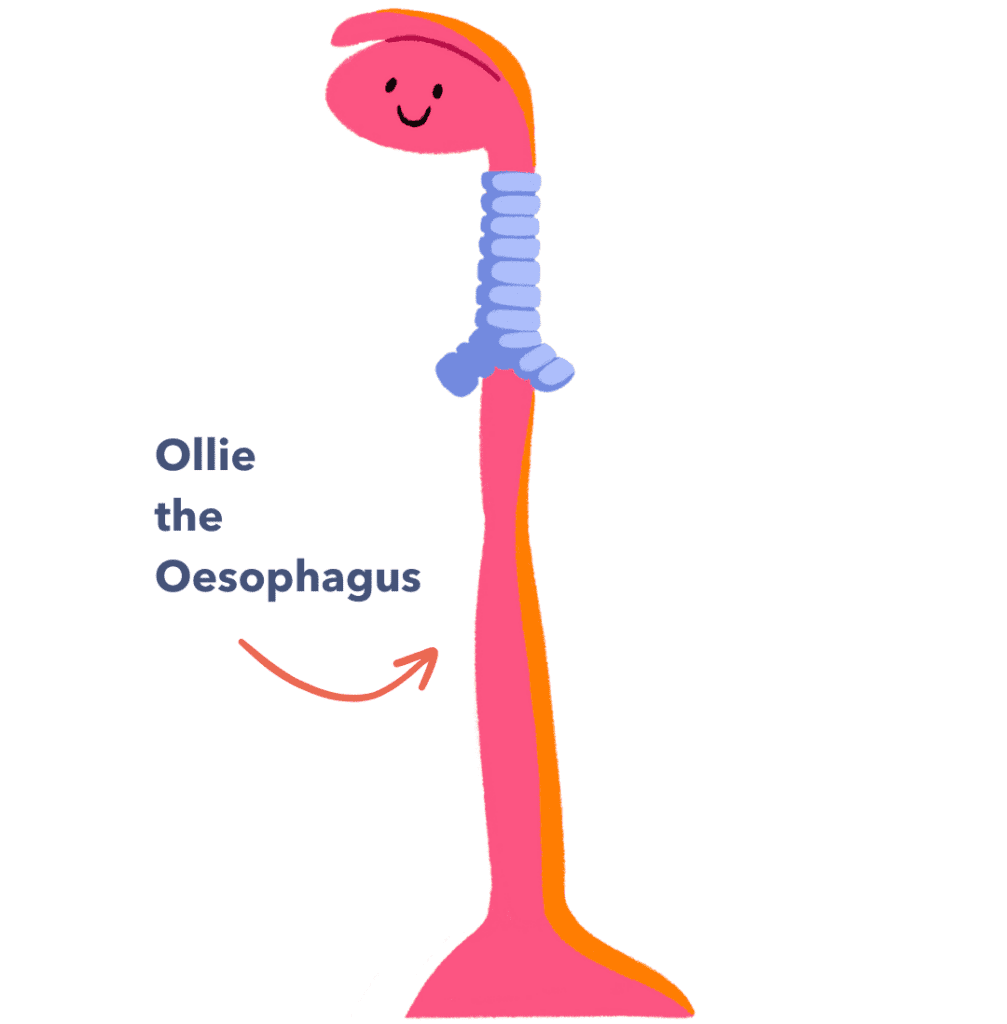
“Achalasia is a condition which hinders the passage of food and fluid down the gullet and entering the stomach, leading to difficulty swallowing.
Getting my achalasia diagnosis wasn’t an easy process. My symptoms of regurgitation (bringing food and drink back up into the mouth after eating, usually within minutes) and vomiting (being sick) started probably five to ten years before I was diagnosed with achalasia in early 2014. The doctors I saw had never heard of achalasia and had to Google it. Craig and I wrote endless letters to healthcare professionals, describing the years of complications I had endured and how badly it impacted my life.
After tests such as a barium meal (this involves drinking some barium liquid, which will show up your oesophagus (food pipe), stomach and first part of the small intestine on x-ray) and a 24-hour pH manometry test (where a thin tube is placed in the gullet through the throat to measure acid reflux in the gullet, measure pressure waves and muscle contractions to check their effectiveness in pushing contents through) and various endoscopies (a thin tube with a small camera on the end inserted via the mouth), it became clear that my achalasia was worse than we first thought. Eventually, I met a gastroenterologist (a doctor whose focus is on the digestive system) who took my symptoms seriously and was able to offer more definitive treatment. “
What treatment have you received for achalasia?
“Achalasia can’t be cured. Currently, the only options are interventions to try and manage symptoms. I’ve had two balloon dilatations (where the lower oesophageal sphincter is stretched open using a small balloon to allow food to pass into the stomach). These provided short-term relief of between 3 to 6 months each time.
In March 2015, I underwent a Heller’s myotomy procedure (this cuts the muscle fibres of the lower oesophageal sphincter with the aim to permanently improve swallowing) along with an anterior fundoplication (a surgical procedure to treat gastro-oesophageal reflux disease by wrapping a portion of the stomach around the front of the oesophagus to strengthen the valve that prevents stomach acid from refluxing upwards).
Now, over 10 years later, I would say I’m about 75% better but still have ongoing issues such as struggles swallowing certain foods. I also still experience acid reflux and heartburn and have a lasting fear of choking.”
How are you now and how do CIPO and achalasia impact your everyday life?
“I’m more stable now than I’ve been in years, but achalasia and CIPO still control many aspects of my life. I have pain and fatigue daily and have unpredictable flare-ups (worsening of symptoms) that can leave me bedridden. I plan my life around my energy levels, hospital appointments and my diet. But I’ve learnt to adapt, both physically and mentally. I pace myself and savour the good moments. CIPO may have forced me to slow down as well as achalasia slowing me down with my eating, but they’ve also taught me to appreciate the small things a lot of people overlook.”
What would you say to someone with digestive symptoms and conditions?
“Trust your gut – literally. If something doesn’t feel right, keep pushing for answers. You know your body better than anyone. I wish I had known sooner that persistence can be the difference between getting a diagnosis and being dismissed.
For anyone newly diagnosed, know that it’s okay to grieve the life you thought you would have. But know that you can still find joy and purpose, even on the toughest days. There is life after diagnosis, it just looks different. “
Why are you sharing your story?
“I want to shine a light on CIPO, achalasia and rare digestive conditions. So many people suffer in silence and go years without answers. If even one person reads this and recognises their symptoms or feels less alone, it’s worth it.
Guts UK does incredible work in raising awareness, funding research and supporting people living with digestive conditions. Without charities like them, conditions such as CIPO and achalasia would remain in the shadows, leaving people undiagnosed, without support. I want to use my story to help their mission. CIPO and achalasia have taken a lot from me, but having these conditions has also shown me the depths of my own resilience.”
About Guts UK
Guts UK is the national charity for the digestive system and the only UK charity funding research into the whole digestive system.
People are suffering. People are dying. All because of a lack of knowledge about our guts. Guts UK exists to change that.
With new knowledge, we will end the pain and suffering for the millions affected by digestive diseases. Please consider donating today. Your donation will help fund research leading to earlier diagnoses, kinder treatments and ultimately, a cure.