At Guts UK, we know that talking about our digestive health can still sometimes feel taboo. We’re here to flush away the stigma.
Understanding what happens in your gut is the first step towards feeling comfortable and confident all season long.
What’s the difference between bloating and distension?
Though often used interchangeably, bloating and distension are two distinct digestive symptoms:
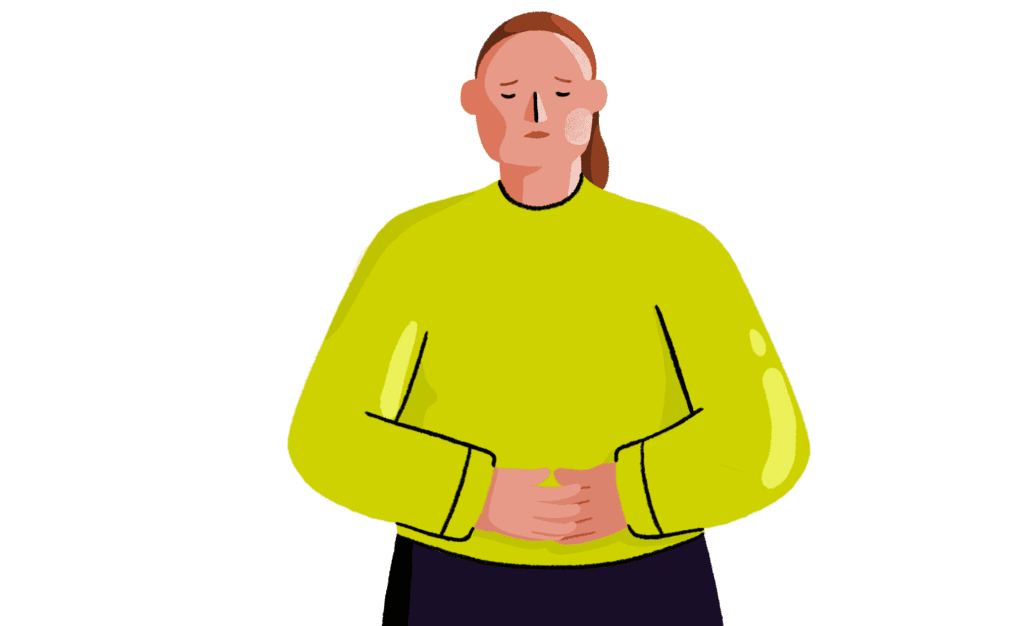
Bloating: A subjective feeling. It’s that uncomfortable, tight or full sensation inside your tummy, often accompanied by trapped wind, gurgling or rumbling. Your tummy might feel packed full, even if it doesn’t look any different on the outside.
Distension: The visible, physical swelling of your tummy. Your waistline expands outwardly, making clothes feel much tighter than they did earlier in the day. Not everyone with bloating will experience distension.
Symptoms occur when gas builds up in your digestive system or when your gut is particularly sensitive to normal amounts of gas.
Why does winter trigger digestive symptoms?
Richer meals and larger portions: Big hearty meals, pulses and high-fat meals can lead to increased gas production.
Reduced physical activity: Colder weather often means moving less, which can slow down your gut’s natural movements.
Winter stress and changes in routine: Seasonal holidays, stress and disrupted eating habits directly affect your gut and its sensitivity.
Constipation: When your gut gets backed up, gas trapped behind poo makes bloating and distension worse.
How to manage and prevent symptoms at home
If you experience short-term symptoms, simple everyday habits can offer significant relief:
Mindful eating: Eat smaller meals regularly, chew thoroughly and avoid talking while chewing to prevent swallowing excess air. Sit up straight whilst eating.
Gentle movement: A short walk after meals or simple yoga stretches (like bringing your knees to your chest while lying down) encourages trapped wind to move through your gut.
Hydration and recognising your triggers: Drink plenty of water while limiting fizzy drinks, alcohol and artificial sweeteners. Keep a food diary to spot your triggers.
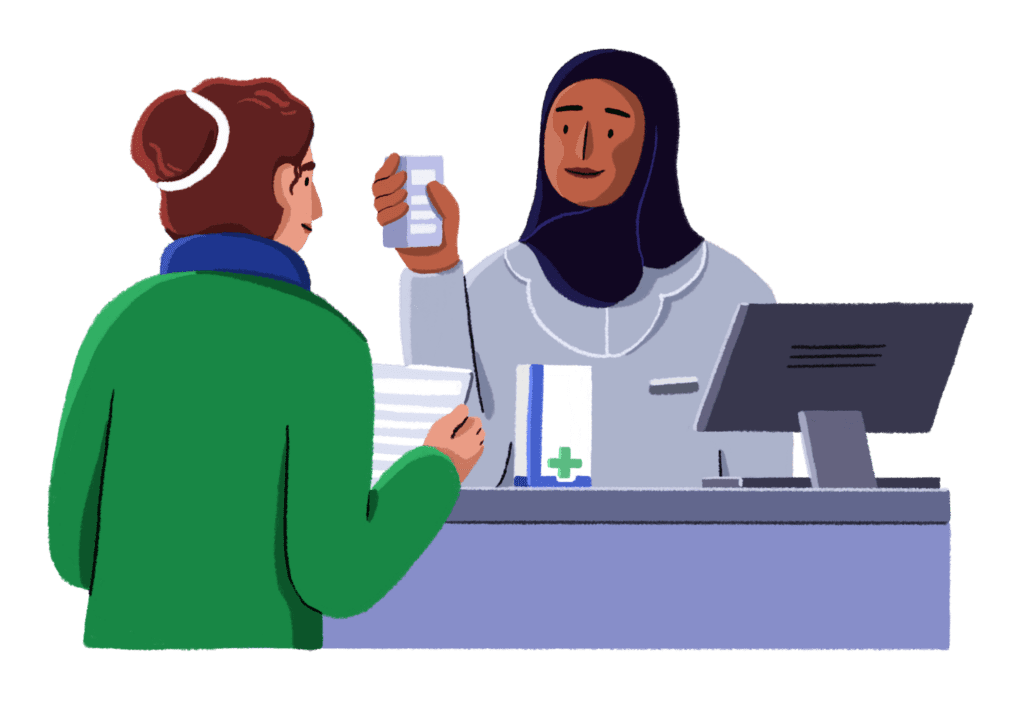
Over-the-counter support: Gas-relieving medicines like simethicone work by breaking up gas bubbles to reduce bloating. Peppermint oil capsules can also help soothe symptoms. A pharmacist can recommend the best option for you.
Please note: This information is intended for people without a diagnosed digestive condition. If you live with a digestive condition and need information and support, please speak to your healthcare team.
What’s normal?
Getting to know your own normal is key. Paying attention to how your body feels and regularly checking your poo helps you spot changes early.
Try our online Poo-Torial tool to check the consistency, colour and frequency of your poo.
When should you seek help?
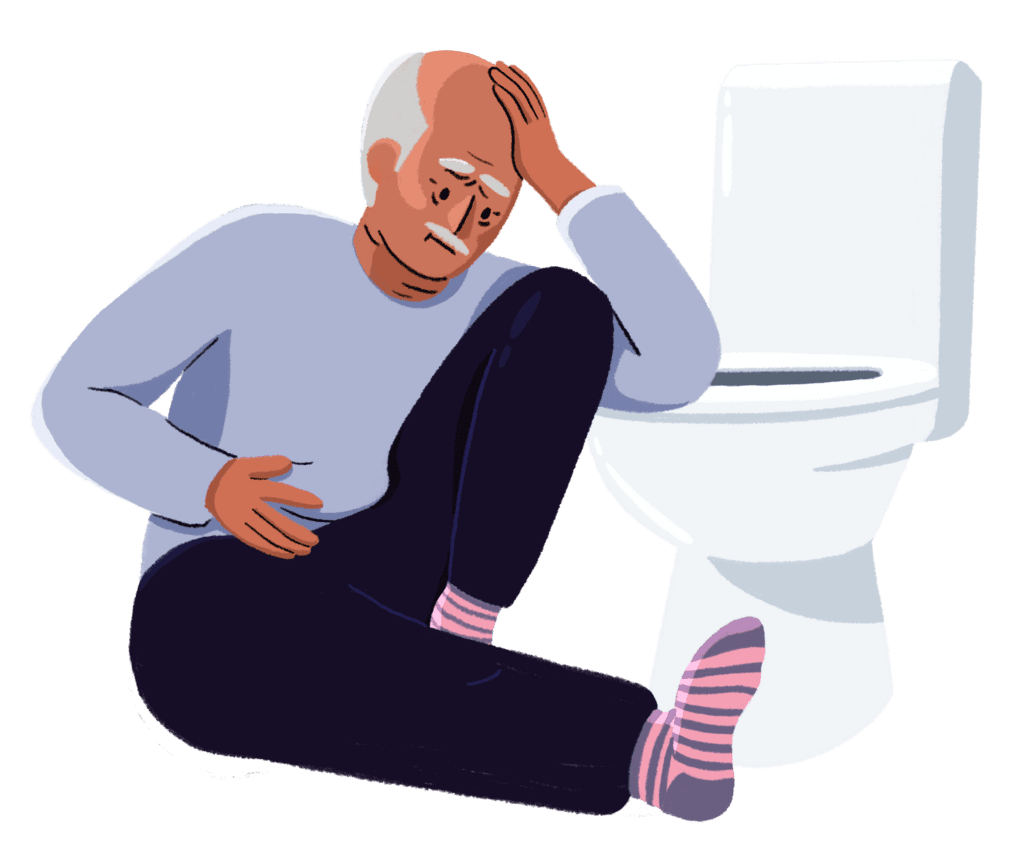
If your symptoms last for several weeks despite lifestyle changes, consult your GP. Seek prompt medical advice from your doctor or NHS 111 if you notice:
Blood in your poo or from your bottom.
Unexplained weight loss.
Severe, constant or worsening abdominal pain.
A lump or swelling in your tummy.
Unexplained changes in bowel habits such as ongoing diarrhoea or constipation.
Constant nausea or vomiting.
More information
Visit gutscharity.org.uk/information for more information on digestive conditions and symptoms or contact our Helpline on 0300 102 4887 or submit an online Helpline form.
Useful links