Toby’s Story – Crohn’s disease
"I hated the idea of needing a feeding tube, as I was worried about what people would think and thought they’d stare at me. I soon realised that nobody would even notice most of the time and went on about their own day." Toby shares his experiences of Crohn's disease and feeding tubes...
Tell us a little about yourself
“I’m Toby, and I’m 40 years old. I live in East Yorkshire with my dog, Pip. Due to having a chronic illness, I spend a lot of my time resting, watching movies and on my PlayStation.”
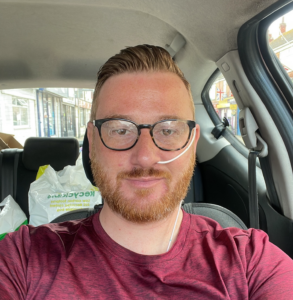
Tell us about your symptoms which led to your Crohn’s disease diagnosis
“I started experiencing stomach cramps, vomiting and diarrhoea when I was at university. In 2010, I had a perianal abscess. When this was investigated, along with an endoscopy, colonoscopy and a biopsy (tissue sample), I was diagnosed with Crohn’s disease.
Within 18 months of my diagnosis, I got sepsis. I was told that I’d need to have stoma surgery (where a section of bowel is brought out through an opening on the abdomen) or I would more than likely die.”
Note: Sepsis is a life-threatening condition in which the body responds improperly to an infection. It can be a risk for people with Crohn’s disease, often caused by intestinal complications like abscesses and can also be linked to immunosuppressive treatments or surgery.
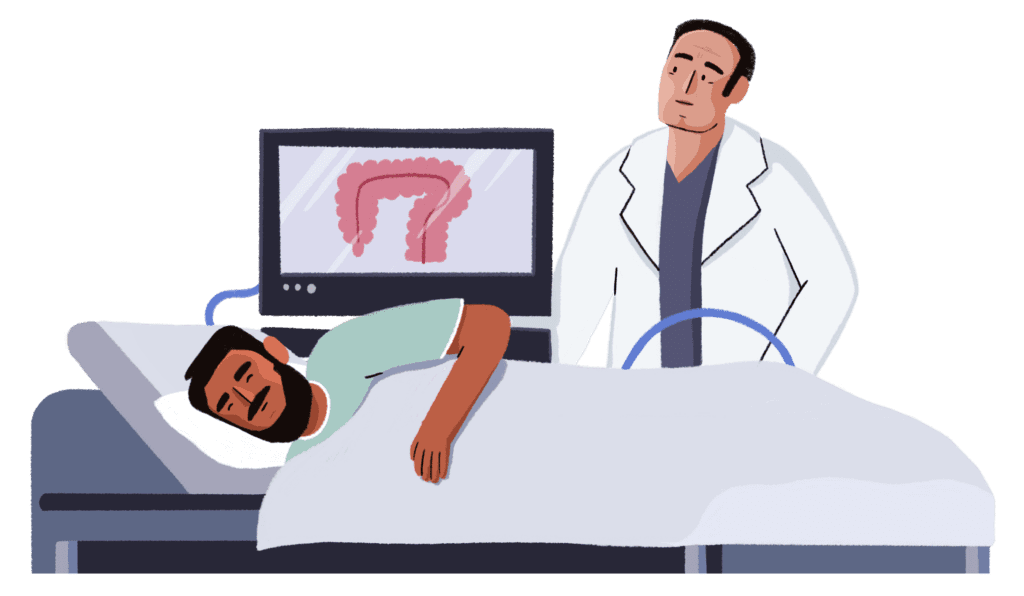
When did you have your ostomy surgery?
“Due to the fast onset of my Crohn’s disease and having surgery for multiple abscesses, I didn’t have any treatment for my Crohn’s except prescribed pain medication.
In 2012, when I was 26 and treatment so far hadn’t worked, I had life-saving surgery to form my colostomy. I then had my colon removed and now have an ileostomy. My large bowel (colon), rectum and anus have been removed, making my ileostomy permanent.”
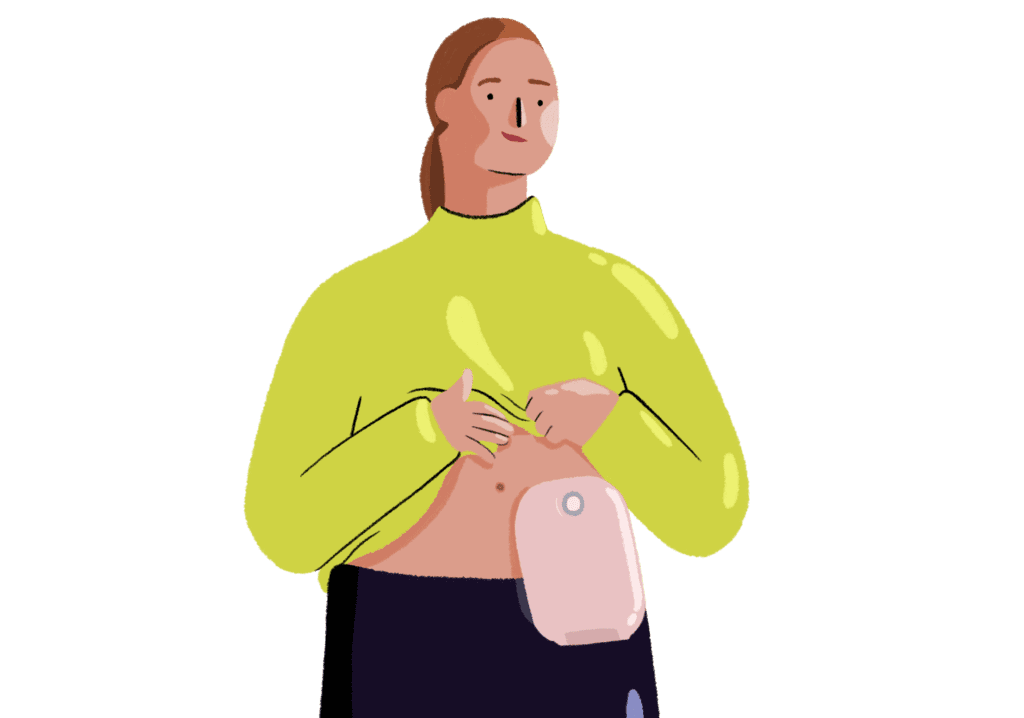
Can you tell us about why you needed a feeding tube?
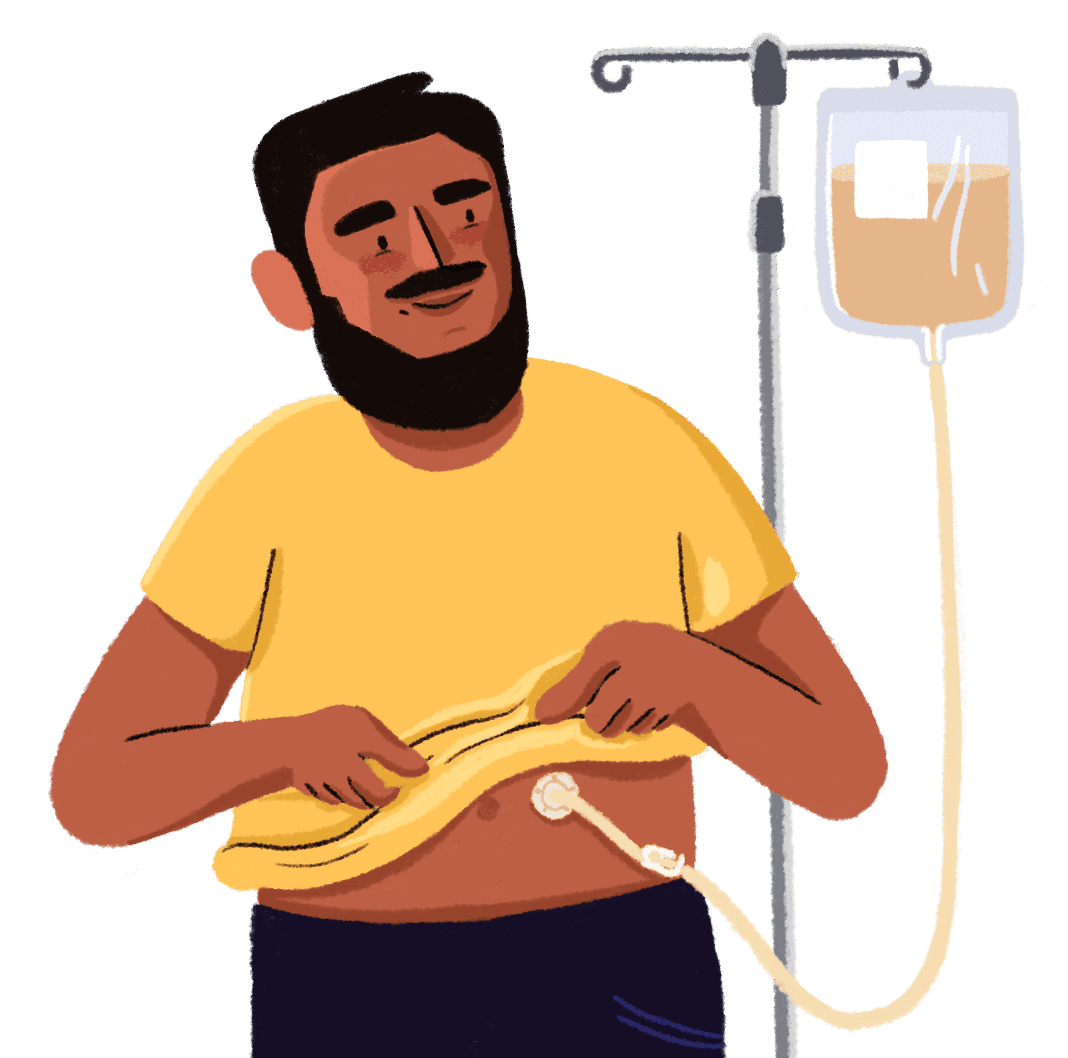
“Following multiple surgeries with ups and downs, such as drastic, unplanned weight loss and not being able to keep food down, I was told I needed a temporary nasogastric (NG) tube. This is a thin, plastic feeding tube, inserted into one of the nostrils, down the back of the throat, then down to the stomach.
After my colostomy surgery in 2012, I refused this at first. The thought of a tube down my throat was terrifying. As my health declined further, I accepted that I needed to have one. It was uncomfortable at first, but after a few days, I got used to it.
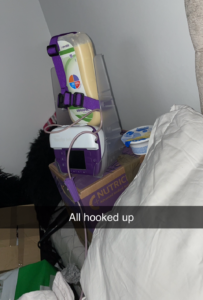
At first, I’d be hooked up to a liquid feed for around 12 hours a day. I have needed multiple temporary feeding tubes to help me put on weight and get the nutrition my body needs. Luckily, I had a backpack for my feeding pump, so I could leave the house while I was connected, but over time, I just hooked up to it when I was going to sleep at night. It wasn’t overly comfortable as I had to sit up or lie at 45 degrees, so I didn’t bring back up any of my feed. It surprised me just how long an NG tube can be!”
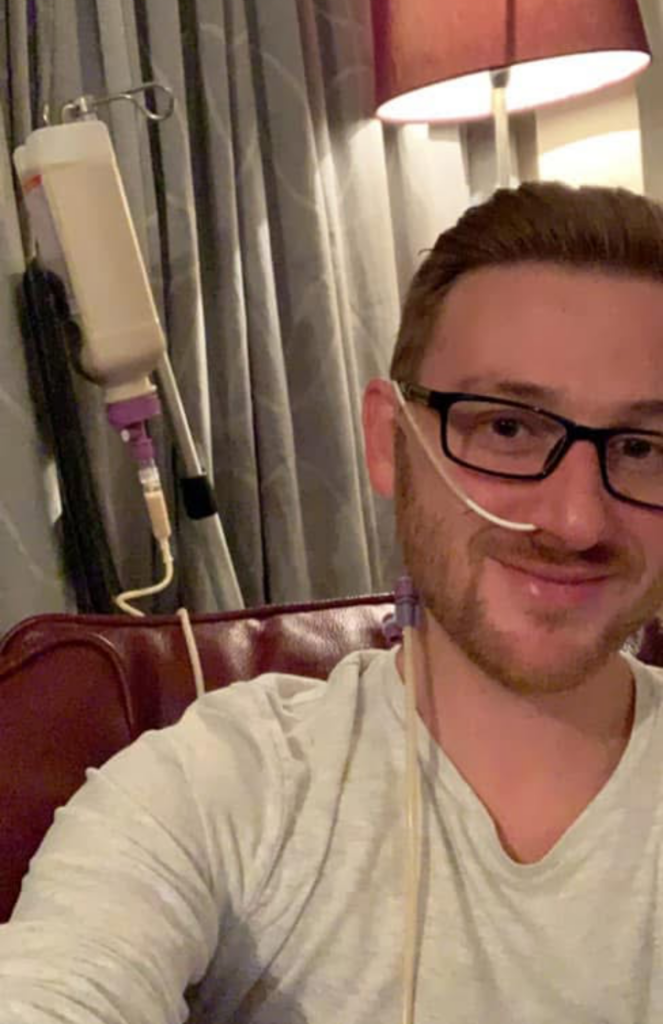
What about total parenteral nutrition (TPN)?
“To prepare me for some of my surgeries, I needed to have TPN temporarily. TPN is a form of nutrition administered via a thin tube into a large vein, directly into the bloodstream, to bypass the digestive tract. One of the main aims of TPN is to give the digestive tract a rest. I was connected to my TPN for 18 hours a day.”
What would you like others to know about having a feeding tube?
“I hated the idea of needing a feeding tube, as I was worried about what people would think and thought they’d stare at me. I soon realised that nobody would even notice most of the time and went on about their own day. When they did notice, they’d just look a few seconds longer then carry on with what they were doing.
It’s so important to remember that if you need a feeding tube, it’s for the sake of your health and that should be the priority.”
Glossary of medical terms
- Colonoscopy: A thin tube with a small camera on the end is inserted via the back passage.
- Colostomy: A surgical procedure that creates an opening from the large intestine or colon to divert waste contents through the abdominal wall into a medical bag.
- Endoscopy: A thin tube with a small camera on the end is inserted via the mouth.
- Ileostomy: A surgical procedure that creates an opening from the small bowel to divert the contents through the abdominal wall into a medical bag, which is adhered to the abdomen.
- Perianal abscess: A painful, pus-filled collection near the anus, often common in Crohn’s disease.
About Guts UK
Guts UK is the national charity for the digestive system and the only UK charity funding research into the whole digestive system.
We provide information and support for people affected by digestive conditions like inflammatory bowel disease (IBD), including a dedicated Helpline. Organisations such as Crohn’s and Colitis UK (CCUK) and Crohn’s in Childhood Research Association (CICRA) can also provide information and support for those impacted by IBD.