Fiona’s Story – Stomach Cancer
Every year about 6,700 people in the UK are diagnosed with stomach cancer. This is a rate of approximately 1 person in every 10,000 people. Sadly, stomach cancer is often diagnosed late, when the cancer is advanced and treatment options are limited. Thankfully, Fiona’s stomach cancer was found in the early stages. This is her story.
Tell us a little bit about yourself
I’m a music teacher! Music has always been a huge part of my life. I have played in orchestras, sung in choirs, and organised classical concerts too.
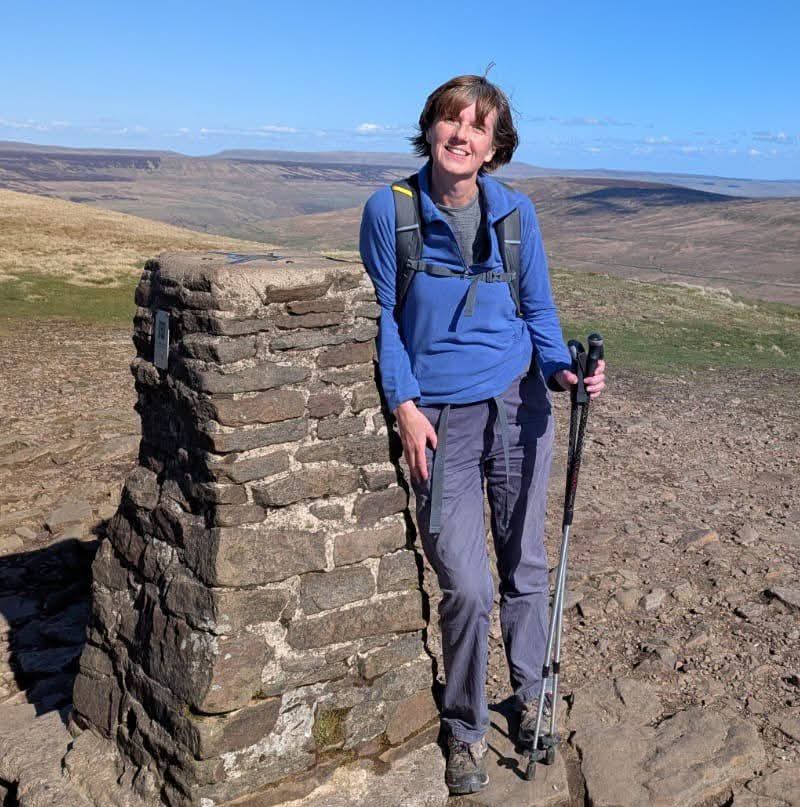
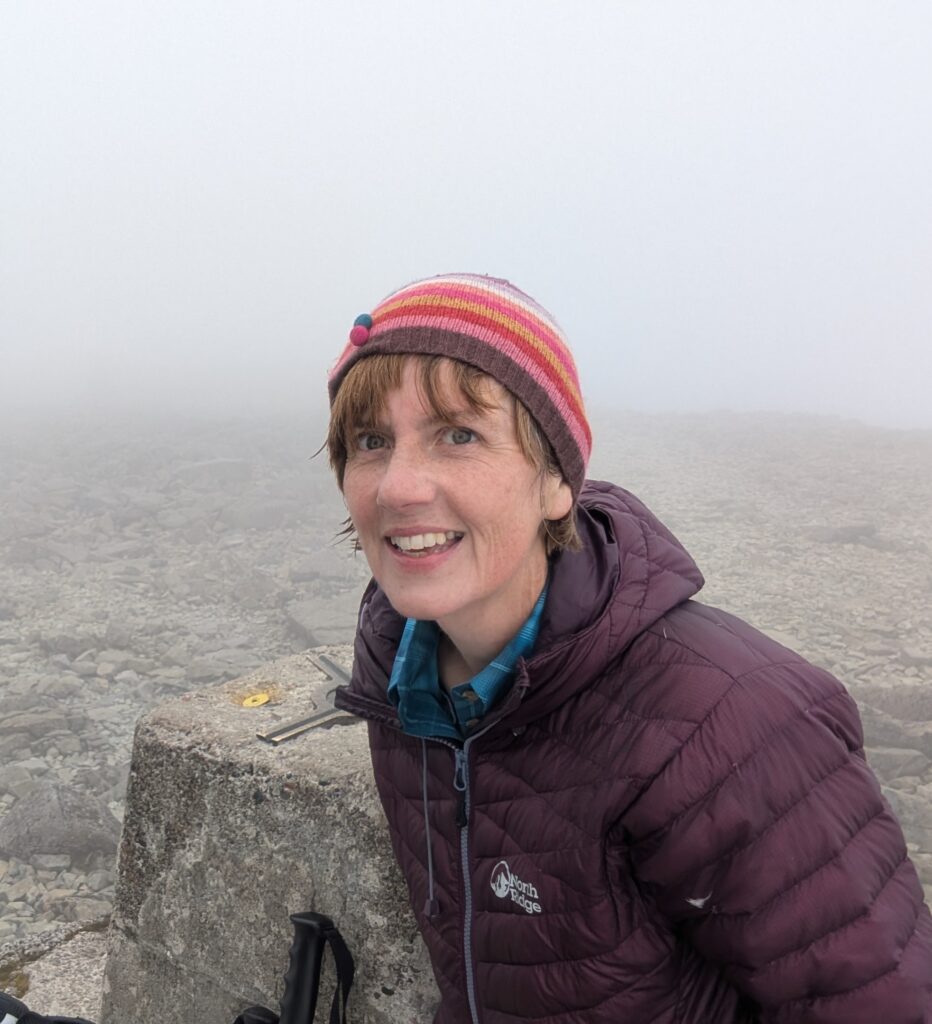
I’m an active person and love the outdoors. Until 2016, I was healthy and never really had any health scares.
What were your first symptoms of stomach cancer?
In 2016 I went to the doctor with what I thought was gallbladder pain. I was given antibiotics, but then had stomach ulcer symptoms. The doctor did a helicobacter pylori test (H. Pylori is a bacterium that can cause stomach ulcers and stomach cancer), but it came back negative. It may have shown a negative result because, unfortunately, I’d just had antibiotics. My symptoms settled, and I felt fine until 2019.
What happened in 2019?
I went back to work after the school holidays, and I generally just felt unwell with severe indigestion. Over-the-counter medication wouldn’t touch the indigestion, and neither would prescription omeprazole. I was breathless walking up the stairs.
I made a doctor’s appointment and ended up crying on the doctor, which isn’t like me. They were concerned as the medication wasn’t helping my indigestion. They booked me for an endoscopy (a thin tube with a small camera on the end inserted via the mouth) in a few weeks.
I was watching the screen when I had the endoscopy. When they reached the stomach, they could see a small red patch of inflammation that looked like a mouth ulcer. They took biopsies of my stomach, and the endoscopist said it looked like gastritis. It was so small, less than 1cm big.
What happened next?
The biopsy came back positive for Hereditary Diffuse Gastric Cancer (signet ring cell stomach cancer). It was a huge shock. I was 48 years old at the time. I broke down into tears, thinking of my husband, Pete and my daughter Alex, who was only 16 years old at the time, just about to sit her GCSEs. The team were incredible. After numerous scans and a laparoscopy (a type of keyhole surgery used to diagnose and treat conditions), doctors explained the cancer was caught early and that I would no longer require the planned course of chemotherapy.
How did you find treatment?
Surgery was tough. I wasn’t used to being in hospital, but I trusted the team whose care I was under. I had a total gastrectomy (surgery to remove the stomach).
Getting used to life without a stomach was hard. I felt sick and lived off pureed food for a long time. My mum was amazing, she came to nurse me and feed me chicken soup for weeks! The weight did just drop off – I ended up losing 2.5st. It was strange, I’d spent my whole life being careful to keep the weight off, and suddenly I was trying to keep it on!
How are you now?
6 years on from my gastrectomy surgery, I’m doing okay. I find celebrations like Christmas hard with so much food around. As always, I have to eat little and often and “think protein” as high sugar and carbohydrates I find give me effects that can be hard to manage. Other times, food does tend to rush through me, but it’s a small price to pay for still being here!
What would you tell others who have been diagnosed with or are supporting a loved one with stomach cancer?
It’s so important to be aware of the challenges surrounding food. Have food on hand that you fancy. It can be hard going out for a meal, but my family and friends all offer to share, or I just order a starter. Try to take things one day at a time.
Why do you think research into stomach cancer is important?
Research is so important to detect stomach cancer and catch it early. Don’t just dismiss indigestion. It’s important to get it checked. There also needs to be more targeted research into conditions such as H. Pylori. I am happy to support Guts UK and the vital research that they fund into digestive conditions.
My family feel it’s incredibly important to support awareness, information and research into this neglected cancer for other families. My brother Rob ran the Edinburgh marathon for Guts UK, and I am so proud of him for taking on such a huge challenge.
Why are you sharing your story?
I hope that my story can encourage others to listen to their bodies and not to ignore their symptoms if something doesn’t feel right.