Feeding Tube Awareness Week
February 1st to February 7th 2026
Feeding Tube Awareness Week falls in early February each year.
There are misconceptions surrounding why people might need a feeding tube, or even judgement. People with digestive conditions may need a feeding tube. We want to remove these stigmas at Guts UK Charity. Discover how you can help below.
What does a feeding tube do?
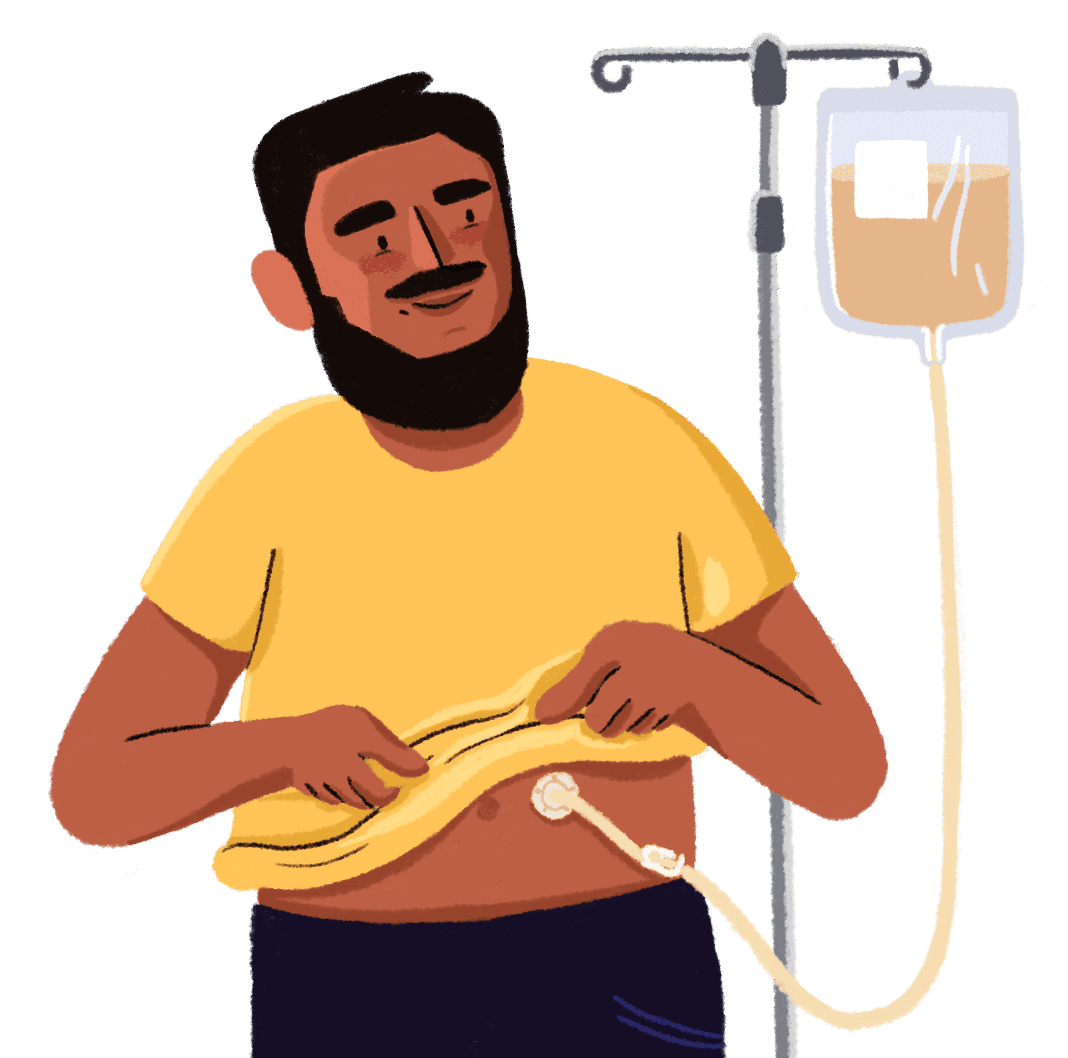
Tube feeding (also known as enteral nutrition) is simply a way of your body getting the nutrition it needs. A liquid form of food is carried into your body through a tube. The food is directed straight into a part of your digestive system (like your stomach, or small bowel) via a tube, rather than through the mouth.
Why are feeding tubes used?
For some, feeding tubes are life-saving but it can also be a way of ensuring people don’t become malnourished. Sometimes, feeding tubes give people a better quality of life, or halt very severe symptoms that are difficult to live with.
There are many conditions or reasons for needing a feeding tube, including achalasia, gastroparesis, cancer, an eating disorder, blockage in the bowel, severe diarrhoea or sickness and more.

Toby’s experiences with feeding tubes and Crohn’s disease
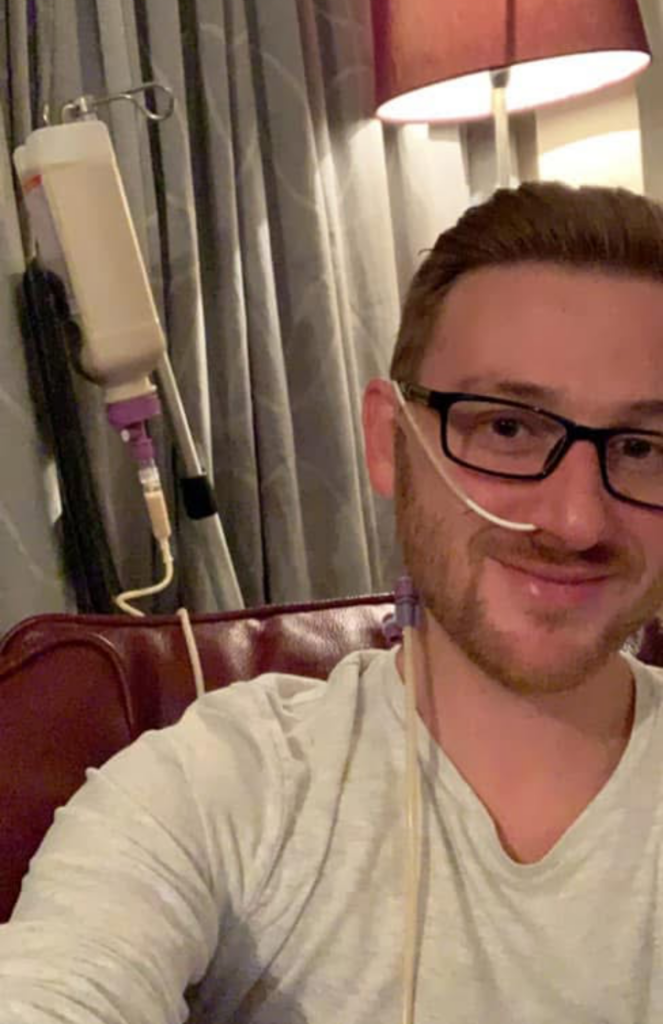
“I hated the idea of needing a feeding tube, as I was worried about what people would think and thought they’d stare at me. I soon realised that nobody would even notice most of the time and went on about their own day. When they did notice, they’d just look a few seconds longer then carry on with what they were doing.
It’s so important to remember that if you need a feeding tube, it’s for the sake of your health, and that should be the priority.”
Ruth’s experiences with feeding tubes and gastroparesis
For the past eight years, Ruth has been living with gastroparesis, intestinal dysmotility and intestinal failure, all hidden behind her clothes. In reality, she lives with medical lines and feeding tubes that keep her alive.
Ruth shares:
“People don’t see the sickness, pain, bloating, or hospital admissions. They don’t see what’s going on behind the scenes. But this is the reality for many of us.”
This is a powerful reminder of how much can be happening out of sight. Many people with digestive conditions do not have visible symptoms or tubes, yet still face huge challenges every day.
Angie’s experiences with feeding tubes and complex digestive conditions
For almost five years, tube feeding has supported Angie’s nutritional needs. After starting with a nasogastric tube (a soft tube that goes up the nose and into the small bowel), she now has a balloon gastrostomy tube (a soft tube that goes through the stomach through a small incision in the skin of the abdomen) as part of her daily life.
Angie shares:
“Not only does it support my nutritional needs, but it also supports my mental well-being as now I have more confidence in being able to go out with friends, to be part of family occasions and to be a bit more positive about life in general.”
Angie’s experience shows how the right support can help people regain confidence and take part more fully in everyday life.
Millie’s feeding tube routine
Millie has non-IgE-mediated food allergies and IBS. Her body can’t tolerate food in the same way as others, and eating certain foods causes severe pain and symptoms such as diarrhoea. She’s showing us how her feeding tube helps her get the nutrition her body needs.
Millie shares:
“I get my medicine through my special tube. My medicines help my tummy. My feed is special to me because I’m not allowed much food like you guys.”
Feeding tubes are used by people of all ages, including children. Raising awareness helps reduce stigma, build understanding and make spaces more accessible for those who need them.
Why is it important to raise awareness of feeding tubes, and how can I help?
There are often presumptions or misunderstandings surrounding feeding tubes. Not every illness is visible, and you don’t have to be a certain size, or look a certain way to need a feeding tube. Because feeding tubes are often misunderstood, this misunderstanding can have a negative impact on those living with digestive conditions.
Feeding tubes change and save lives, and it’s important that we work together to help the UK get to grips with conditions that may require feeding tubes. When we raise awareness of feeding tubes, we can help to give people reassurance and the confidence and information to ask for the care that they may need.
You can help us spread the word and chip away at the stigma surrounding feeding tubes by:
- Following us on social media and sharing our awareness and information posts during the week itself. Together, we can reach and help more people. You can find us on social media by searching ‘GutsCharityUK’.
- Share your story with Guts UK today. You can express your interest by filling in and submitting our story form, or if you prefer to tell us via video, fill in and submit our video form.
- Share your own experience, or a loved one’s experience with a feeding tube, with your own circles, and on your social media channels. Don’t forget to tag us on social media!
- Fundraise for Guts UK Charity to help us abolish the taboos surrounding digestive health, and get to grips with guts. You can fund life-changing research and empower people to seek help sooner.