Oesophageal Cancer Awareness Month
February 2026
February marks Oesophageal Cancer Awareness Month.
Oesophageal cancer is a priority for Guts UK Charity, as this cancer has been over-looked for decades.
Read on to discover how you can help save lives and empower people to seek help sooner. Together, we can improve oesophageal cancer survival rates.
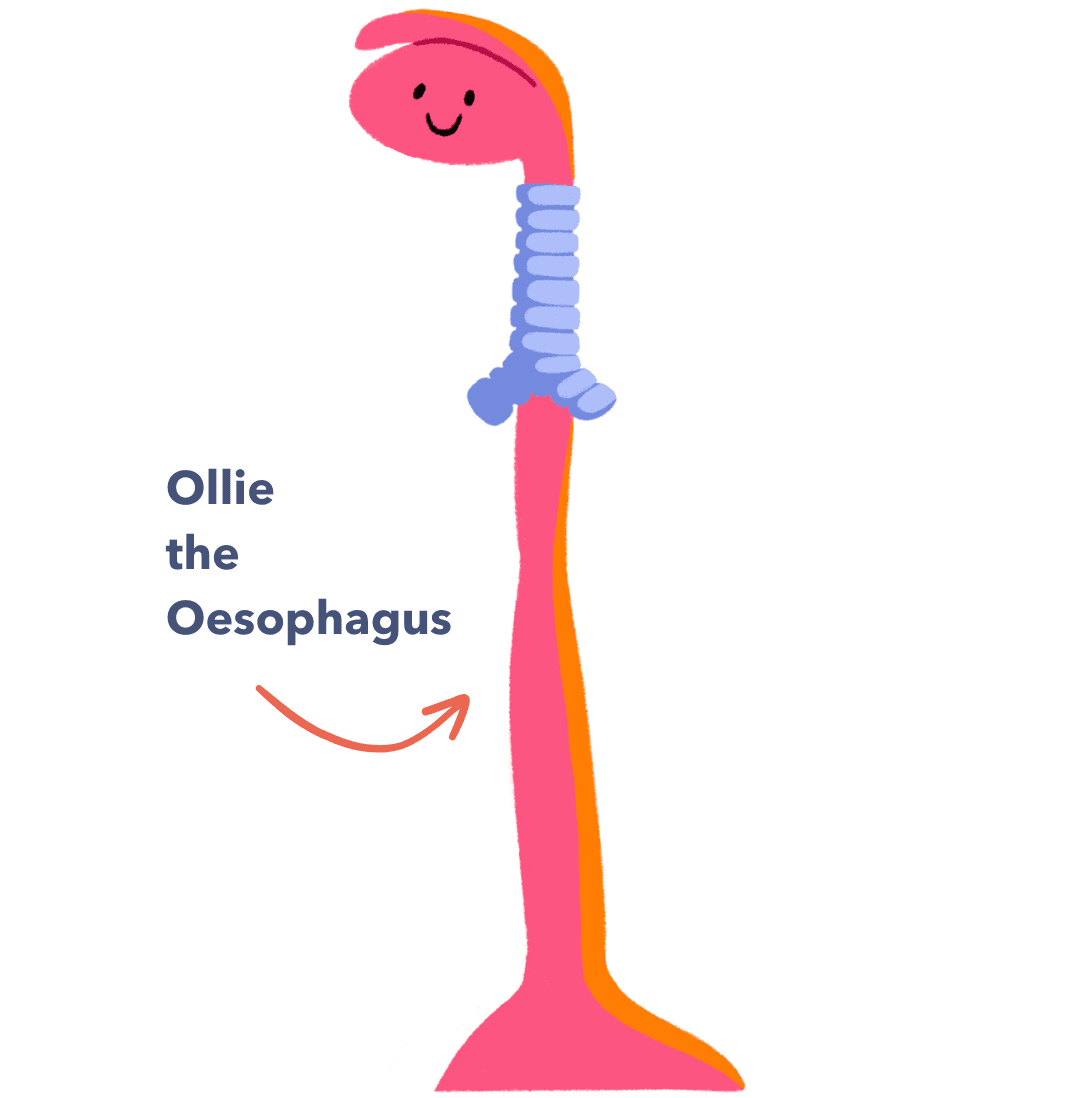
What is oesophageal cancer?
Oesophageal cancer develops when the cells that line the oesophagus are damaged. The damage causes the oesophagus to narrow and makes swallowing hard. At first, solid food tends to stick in the oesophagus. This is followed by difficulty swallowing liquids as the cancer grows.
Cancer cells may spread beyond the oesophagus to nearby structures, like lymph nodes and blood vessels in the chest and abdomen. Cancer cells may also be carried in the blood to form secondary tumours (called metastases) in the liver or elsewhere.
Like other digestive cancers, oesophageal cancer has been underfunded for decades. Guts UK exists to change that.
What are the usual symptoms of oesophageal cancer?
Oesophageal cancer may cause no symptoms until it blocks food and fluids from passing to the stomach. Some people report long-lasting heartburn and indigestion before other symptoms.
Symptoms include the following:
- Difficulty in swallowing (also known as dysphagia). This symptom starts with solid foods and progresses to liquids as the cancer worsens.
- Pain when swallowing, pain behind the breastbone, or upper belly pain.
- Weight loss without trying.
- Regurgitation of food or being sick (vomiting) after eating or drinking.
- Regurgitated food containing blood.
- Vomiting blood.
- Choking, unexplained dry persistent coughing or unexplained chest infections.
- Feeling tired, which can be related to anaemia. Anaemia is when you have low levels of healthy red blood cells to carry oxygen throughout your body.
- A blood test may show a high platelet count (reactive thrombocytosis) that might be associated with cancer.
Who does oesophageal cancer affect?
7 of 10 adenocarcinomas diagnosed in the UK are in males. This is where the normal flat skin-like lining of the oesophagus is replaced by stomach-like cells. There is no sex difference in rates of squamous cell carcinoma. This is where cancer develops from the squamous (skin-like) cells that line the oesophagus.
Most people diagnosed are over 70 years old, but diagnosis is increasing in younger people.
How common is oesophageal cancer?
About 9,400 people are diagnosed each year, making oesophageal cancer the 14th most common cancer in the UK.
Danielle’s oesophageal cancer story
In 2022, I started having difficulty swallowing, especially chewier foods like bread or meat, and I would need water to push them down. My GP thought it was heartburn and reflux and prescribed omeprazole (a medication used to treat heartburn and indigestion) and told me to come back in six weeks. I wasn’t convinced. I’d had heartburn during pregnancies, but this wasn’t the same sensation, and my swallowing didn’t improve.
On my fourth visit, a different GP agreed to refer me for an endoscopy (a thin tube with a small camera on the end inserted via the mouth) to rule out cancer. They said, ‘It’s unlikely to be cancer because you’re young and fit…’
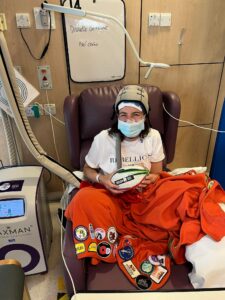
Dave’s Oesophageal Cancer Story
I’d had heartburn, reflux, and indigestion for a long time. I put it down to everyday life, like stress, work, or maybe that curry I ate. I’d take PPIs (a type of medicine that helps in managing the symptoms of heartburn and reflux) for a few months, and it would clear up, but really, it was just masking the symptoms. The real red flag was when I started struggling to swallow. Food would get stuck, and I’d have to cough it back up. That’s when I knew that this wasn’t normal…

Where can I find more information on oesophageal cancer?
Our accredited information on digestive conditions and symptoms includes oesophageal cancer. Our Helpline team can also provide information, guidance and support.
Watch our Barrett’s oesophagus webinar on demand
Discover more about Barrett’s oesophagus and oesophageal cancer and hear from healthcare professionals and people with lived experience of the conditions:
Why is awareness of oesophageal cancer so important?
Oesophageal cancer has been misunderstood and underfunded for decades. In the UK, we’ve made huge strides forward in survival rates for cancers such as breast cancer or prostate cancer, but oesophageal cancer hasn’t seen that same investment. Guts UK Charity exists to change that.
NHS data shows that 20% of oesophageal cancer cases were diagnosed at emergency settings, like A&E. This is very high, compared to 2.7% of breast cancer cases and 7.8% of prostate cancer cases being diagnosed at emergency settings. This shows that people are being diagnosed at much later stages, when the cancer is harder to treat and harder to fight.
Guts UK is dedicated to:
- Raising awareness of the under-recognised symptoms of oesophageal cancer, empowering people to seek help sooner.
- Funding life-saving research into oesophageal cancer, giving people a fighting chance.
- Providing expert information to patients and families affected by oesophageal cancer. Knowledge is power.
How can I help?
You can help us spread the word about oesophageal cancer by:
- Following us on social media and sharing our awareness and information posts. You never know who we might reach and help together. You can find us on Facebook, LinkedIn, and Instagram.
- Share an experience with oesophageal cancer with your own circles, and on your own social media channels. Register your interest to share a story here.
- Fundraise for Guts UK Charity to help us abolish the taboos surrounding digestive health, and get to grips with guts. You can fund life-changing research and empower people to seek help sooner.