We’ve all got guts. Around 25ft of them, in fact. That’s a lot to get your head around!
In this post, we’re carrying on from getting to grips with prebiotics and probiotics. We’re exploring poo testing, and if it’s really worth it…
Please note: This is different to FIT testing and culture (MC&S) poo testing, offered by the NHS.
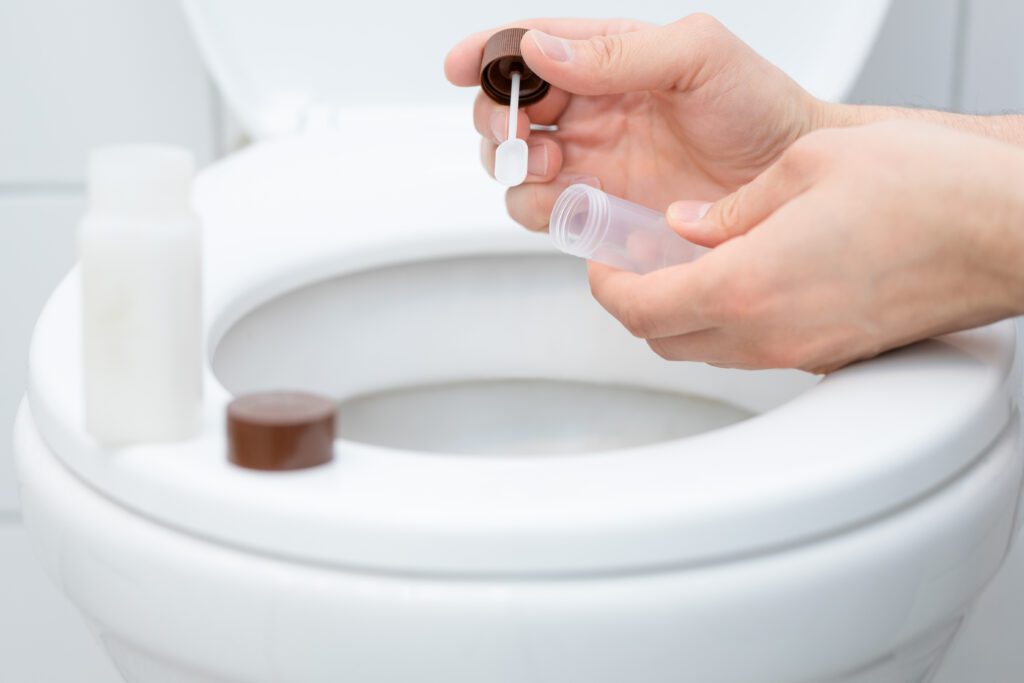
So, you’re thinking about having a microbiome or ‘poo test’…
It’s vital that you equip yourself with the right information first. Guts UK is here to help. Getting your poo tested by a commercial company may be interesting if you are curious about what bacteria are in there. But it shouldn’t be used to find out why you’re not feeling well or how to improve your health.
What is the gut microbiota?
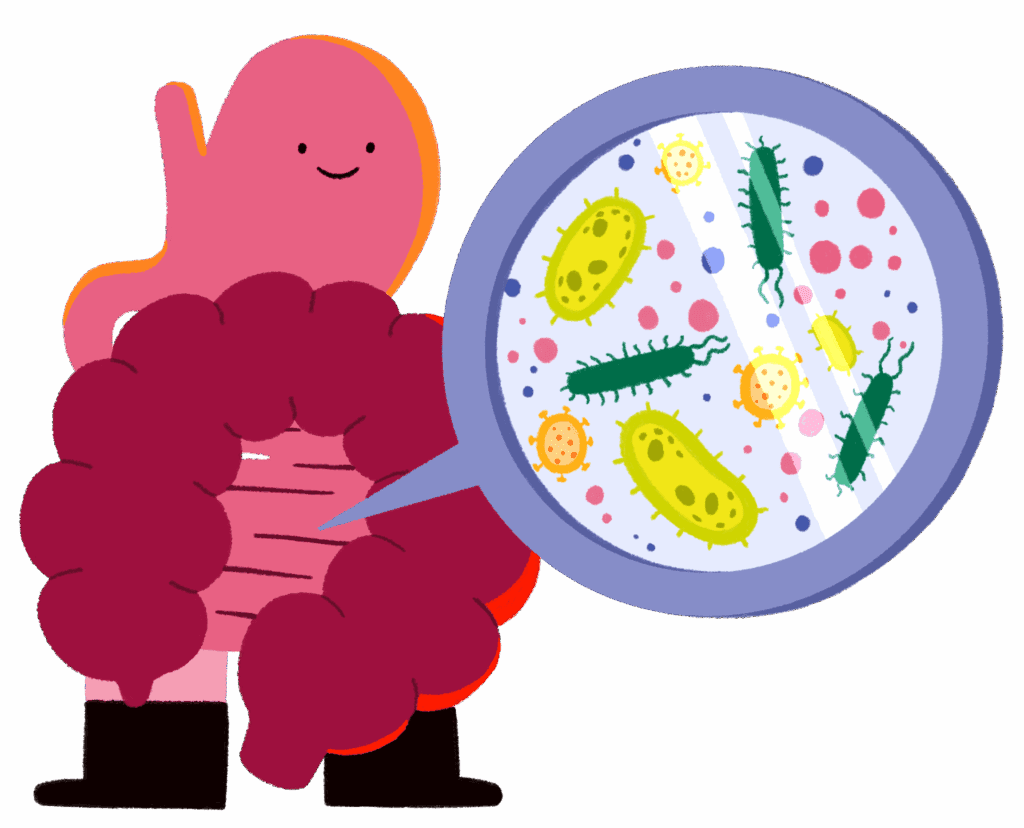
As we explored in our post on ‘What do gut bacteria do?’, we found out that microbes are tiny living organisms that are too small to see without a microscope, and bacteria are a type of microbe that you find in your gut. These are sometimes called the gut microbiome or gut microbiota.
What do we know so far?
Scientists all over the world are analysing what kind of microbes make the human gut their home, and they are investigating how they affect our health in the short and long term.
They’re also interested in how these microbes might influence a person’s response to medication prescribed by doctors. An example of this might be antibiotics or drugs to treat different cancers.
We know that gut bacteria perform a wide range of jobs, many of which are vital for maintaining good health. That’s why doctors will sometimes analyse poo samples when you’re unwell. This is to test for a handful of specific organisms and understand what they are doing. An example might be when a doctor suspects food poisoning.

Why is the ‘gut microbiome’ becoming so popular?
With some of the research findings moving from scientific publications into articles and books for the public, the gut microbiome has become a buzzword in recent years. As a result, lots of companies now offer to analyse poo samples with the aim of telling you about the microbes in your gut and how they might affect your health.
What does a poo test by a commercial company tell you?
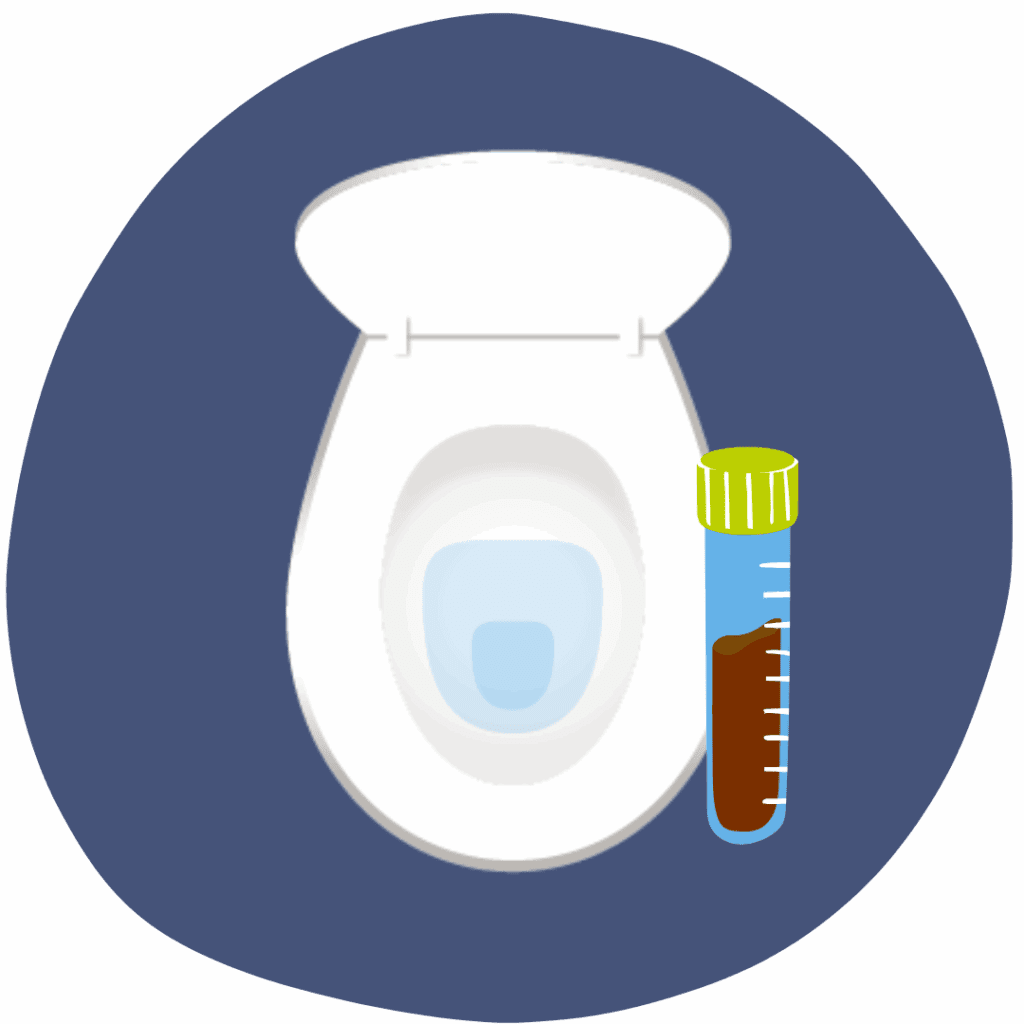
Honestly, a poo sample analysed by a company will tell you very little. It will likely tell you how many different bacteria are present in the sample, and some tests will also . Others might use DNA sequencing tools to tell you what bacteria are in your poo. It’s important to note that some of the tests that private companies offer don’t use the same rigorous methods as the NHS.
Does what it tells you mean much?
Currently, this has little value to you, your GP or nurse. But why?
- It’s only one sample, and the bacteria usually vary from one sample to another.
- Understanding how healthy your gut is from the bacteria in your poo alone does not tell you how healthy your gut is overall.
- Testing doesn’t tell you if a microbe is dead or alive, just that it was there.
- Many gut bacteria might not be detected because they stay stuck on the wall of the gut.
What does research tell us?
It’s important to note that research has not yet made strong links between the presence or absence of any types of bacteria with many of the ‘big’ diseases, such as cancer or diabetes. Right now, there isn’t enough knowledge to safely and accurately recommend any specific interventions, such as diet changes or probiotics, to cause beneficial long-term changes to the composition of the bacteria in the gut.
Would you recommend getting a poo test by a commercial company?
We wouldn’t recommend getting a poo test done by a company. Until more research is done, the information given by these tests can be confusing and doesn’t help doctors or nurses in guiding their advice to support your health or treat any conditions you might have.
What can you do?
We do know that if you have a well-balanced diet with a good variety of different foods, this usually leads to a wide variety of bacteria in your large bowel and poo. Many experts agree this is a good thing.
You can read our information about microbiome testing in full here. You’ll also find helpful information about diet and nutrition there, which can help you get to grips with improving your gut health.

What’s next?
In January, we’ll be looking into healthy eating for those who want to better understand their digestive system and health. If you have a diagnosed digestive condition, then this may not be for you. If you have any concerns about your digestive health, it’s always best to speak to a healthcare professional.

What have you learnt so far in this series?
You can catch up and get to know all about your digestive system by exploring these links:
Are you eager to learn more?
We have information about the digestive system and over 40 digestive conditions and symptoms, which can be found here. You can also follow us on social media by searching ‘gutscharityuk’ to learn more, keep up to date with the work we do and take part in vital awareness campaigns to help us spread the word that our guts deserve better. It’s time for the UK to get to grips with guts!
About Guts UK
Guts UK is the national charity for the digestive system. We are the only UK charity funding research into the whole digestive system.
People are suffering. People are dying. All because of a lack of knowledge about our guts. Guts UK exists to change that.
With new knowledge, we will end the pain and suffering for the millions affected by digestive diseases.