Peter’s story – Barrett’s oesophagus
"I did get a bit of heartburn and indigestion, especially after drinking alcohol, but it didn't feel like anything serious."
Tell us a little bit about yourself
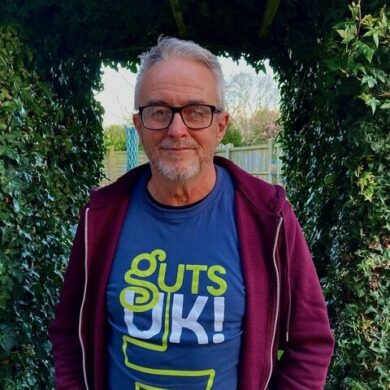
“I live in Berkshire, just south of Reading, with my partner and our elderly cat, who’s nearly 18.
I work as an editor and writer in the English language teaching industry, a role I’ve been in for around eight or nine years. Before that, I worked as an English teacher and lived in Japan, Russia, and Poland, which was an incredible experience. Japan was definitely my favourite. I returned to the UK in 2008, but I would love to travel again.”

When did your symptoms begin, and what were they?
“To be honest, I didn’t really notice that many symptoms at first. I’d always had problems with my digestion, things like bloating and other IBS-type symptoms, and no one could really work out what was causing it. I did get a bit of heartburn and indigestion, especially after drinking alcohol, but it didn’t feel like anything serious.”
Talk us through your journey to diagnosis
“Around 12 years ago, I had an endoscopy (a thin tube with a small camera on the end, inserted via the mouth) and a colonoscopy (a thin tube with a camera on the end, inserted into the back passage), which I had at the same time. Following those tests, I was diagnosed with Barrett’s oesophagus.
The diagnosis was sent in a letter, with very little explanation. It simply said I had a small segment of Barrett’s oesophagus. I wasn’t told what it meant, whether it was serious, or what it could potentially lead to. And because I was a little bit confused by it, I didn’t go to the doctor and ask, which I think I should have.”
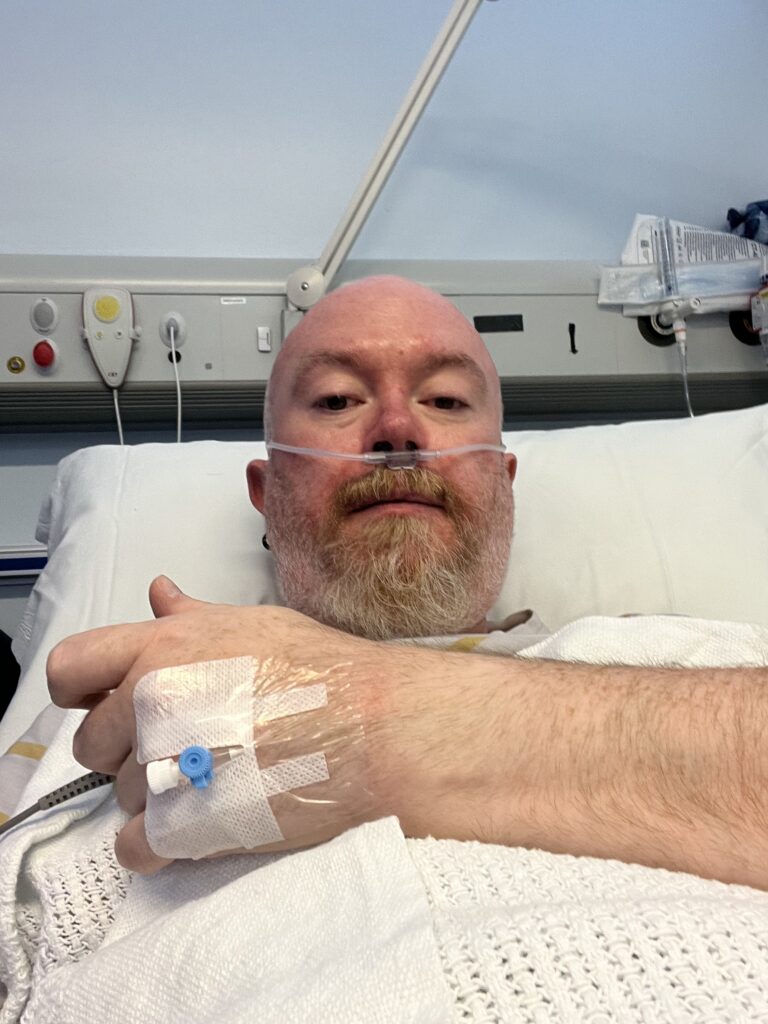
What treatment have you received for Barrett’s oesophagus?
“My main treatment has been a daily medication to reduce stomach acid, alongside lifestyle changes. I’ve stopped smoking, significantly reduced alcohol, and made other adjustments to support my digestive health.
I was told I would need regular endoscopies, but those didn’t happen as consistently as they should have. I had one about three years after the initial one, which came back with no changes.
I then moved to a different area, and I told my new NHS service about the Barrett’s, and they assured me that my regular endoscopies for monitoring would continue. The years passed by, and I never received another appointment. I mentioned it every time I went to the GP about something else. After six years passed, I was quite insistent with the doctors that I needed an endoscopy to monitor my condition. And finally, I had another endoscopy late last year.”
How are you now, and how does Barrett’s oesophagus affect your everyday life?
“I was told at my last endoscopy that my Barrett’s oesophagus is a short segment and hasn’t changed in size, and that monitoring would continue around every four years, as long as there are no changes.
At the moment, Barrett’s oesophagus doesn’t affect my day-to-day life very much. The medication keeps symptoms like heartburn and indigestion under control, and I rarely experience reflux now.
That said, the mental side has been hard at times, especially when monitoring was delayed. The anxiety around the long wait I experienced for monitoring and just before an endoscopy, wondering if anything has changed, can be difficult. But once the procedure is done and I know where I stand, it gives me real peace of mind.”

Is there anything you’d say to someone with a digestive condition or symptoms?
“I would absolutely encourage people to go to the doctor if they have ongoing heartburn, reflux, or digestive symptoms, even if they seem mild or occasional. Don’t do what I did and assume it’s nothing.
It might turn out to be nothing serious, but if it is something like Barrett’s oesophagus, it’s far better to know so it can be monitored and managed. Early checks can make a huge difference.”
Why are you sharing your story?
“I’m sharing my story because so few people know what Barrett’s oesophagus is, even people who have it. I certainly didn’t understand it when I was diagnosed.
By speaking out, I hope to raise awareness, encourage people to take symptoms seriously, and help others feel less alone. Barrett’s doesn’t affect my daily life much now, but it’s still there, and it still needs monitoring.”

Why do you want to support Guts UK?
“Guts UK is where I found the clearest, most reassuring information about Barrett’s oesophagus. The resources are easy to understand, not patronising, and genuinely helpful, which wasn’t my experience elsewhere.
I support Guts UK as a member of their Expert by Experience panel, where I help review patient information to make sure it’s clear, accurate, and genuinely helpful from a lived-experience perspective. Having been diagnosed with Barrett’s oesophagus myself, I know how confusing and overwhelming medical information can feel, especially when it’s not explained properly. Being able to feed into Guts UK’s work means I can help ensure resources are written in a way that people can actually understand and trust. It feels good to know that my experience can help improve information and support for others navigating digestive conditions.”
About Guts UK
Guts UK is the national charity for the digestive system and the only UK charity funding research into the whole digestive system.
We provide information and support for people affected by digestive conditions like Barrett’s oesophagus, including a dedicated Helpline.