Irritable Bowel Syndrome (IBS) Awareness Month
April 2026
Irritable Bowel Syndrome (IBS) Awareness Month falls in April each year.
IBS is one of the most common digestive conditions and is defined by belly pain along with a change in bowel habits.
At Guts UK charity, we provide accredited IBS information, raise vital awareness for IBS and much more.
Read on to discover how you can spot the signs and empower people to seek help sooner. Together, we’re getting to grips with guts.
What is IBS?

IBS is thought to be caused by the gut and brain over-communicating. In other words, talking to one another too much.
What are the usual symptoms of IBS?
The most common symptoms of IBS include:
- Belly (abdominal) cramps. They can be uncomfortable or painful.
- Abnormal bowel habits. You could have diarrhoea, constipation, or both.
- Wind, bloating and distension (a widening of the girth of the belly).
- Mucus present in poo.
Other symptoms can include feeling tired and sick, backache, and bladder issues.
About a third of people have IBS with constipation (IBS-C). Another third of people have IBS with diarrhoea (IBS-D), and others don’t fall into a specific pattern (IBS-M). IBS-M is used for people with both constipation and diarrhoea symptoms.
Our information details symptoms which may need further investigation, which typically aren’t symptoms of IBS.
Who does IBS affect?
Rates of people living with IBS vary between countries. Twice as many women as men are diagnosed with IBS, and it can be diagnosed at any stage of life. The most common age of diagnosis is between 20 and 40 years old.
How common is IBS?
IBS is one of the most common reasons for people to visit their GP and affects four to ten in 100 people worldwide.
Frankie’s IBS story
When I was diagnosed with IBS, it was a relief. At the same time, I felt overwhelmed. When it comes to IBS, it isn't fully understood and a diagnosis of IBS is often given where other conditions have been tested for and eliminated. Sadly, in the past, I felt disbelieved and shrugged off by doctors after I kept a journal of my symptoms and reached out for help. It's exhausting to stand up for yourself repeatedly, on top of the exhaustion you're already feeling.

David’s IBS story
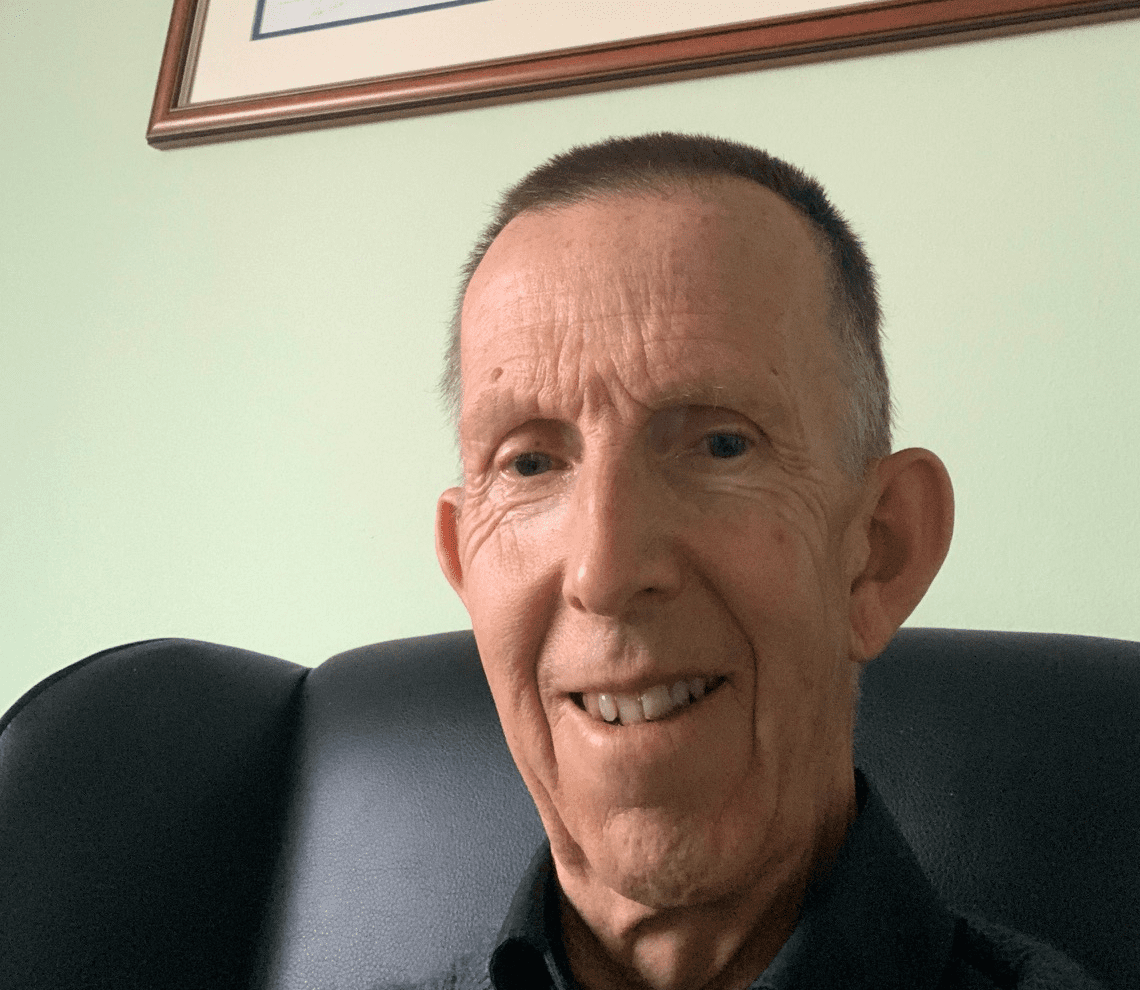
In my early 40s, I started to experience an urgency to go to the toilet. After some time, I eventually thought ‘I better do something about it.’ I tried to identify if there were any foods triggering my symptoms. With IBS, however, your symptoms can improve and then come back. The unpredictability of it is one of the worst things.
There’s still life after a diagnosis of IBS. It’s an irritating and frustrating condition to say the least. It’s important to know what causes your symptoms and what affects you. Try to socialise if you can and try to minimise stress as much as possible, as it can make things worse. I know it’s difficult but try and maintain a positive outlook.
Where can I find more information on IBS?
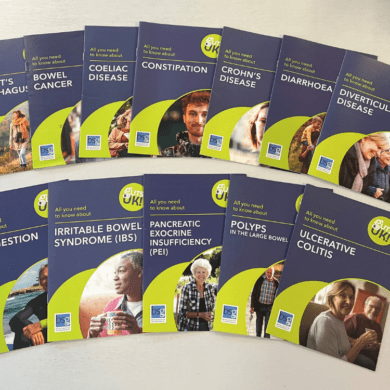
Our accredited information on digestive conditions and symptoms includes IBS. Our Helpline team can also provide information, guidance and support.
Register for our free, online IBS webinar
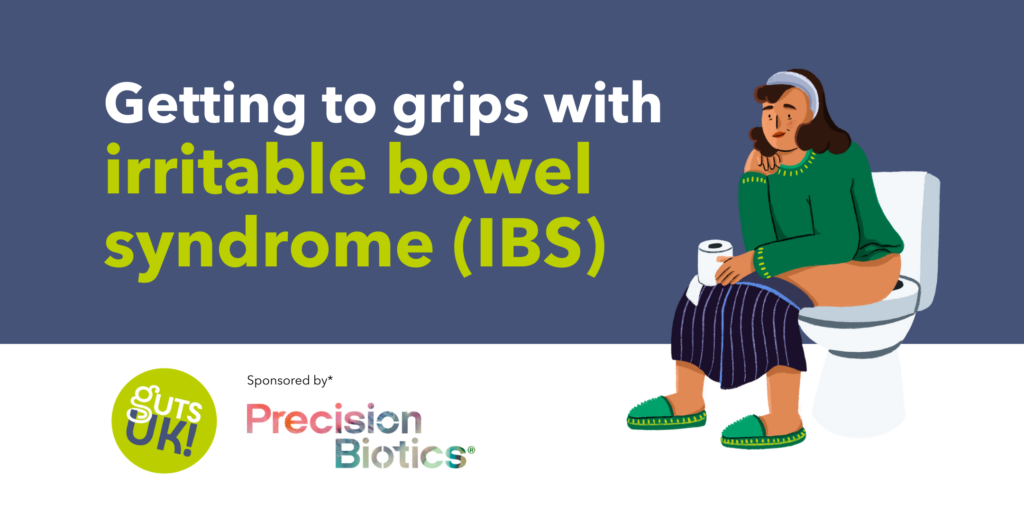
Guts UK is hosting a free online event to help people get to grips with IBS. It takes place on Thursday, 23rd April from 5:30 pm to 7 pm (GMT) and will take place virtually, on Zoom. Registration is free, but places are limited. Sign up today via Eventbrite.
Why is awareness of IBS important?
For too long, our guts have been misunderstood and undervalued. Although IBS is one of the most common digestive conditions, it can frequently be dismissed as “just an upset tummy” or a minor inconvenience. Our research shows that 58% of people feel embarrassed to talk about their digestive symptoms, leading over half of those affected to delay seeking medical advice for at least six months. By making much-needed noise for our guts, we can challenge the taboos surrounding them and empower people to seek help sooner, free from stigma or shame.
Every conversation we start and every story we share helps ensure that no one has to navigate the unpredictability of IBS alone.
How can I help?
You can help us spread the word and chip away at the stigma surrounding IBS by:
- Following us on social media and sharing our awareness and information posts during the week itself. You never know who we might reach and help together. You can find us here on Facebook, LinkedIn, and Instagram.
- Share your own experience, or someone else’s experience with IBS, with your own circles, and on your own social media channels. You can share a story here.
- Fundraise for Guts UK Charity to help us abolish the taboos surrounding digestive health, and get to grips with guts. You can fund life-changing research, and empower people to seek help sooner.
- Donate £5 per month to Guts UK Charity. You can help those like Frankie and Dave get the support that they need.