
The role of the gut microbiome in health and disease
Download printable versionOverview
Your body is home to trillions of microbes, known as the gut microbiota, that reside in your digestive system. These microorganisms outnumber your human cells and comprise hundreds to thousands of different species. Literally a microbial zoo in your poo!
What is the gut microbiota?
Your gut microbiota is the collection of tiny living microorganisms, including bacteria, viruses and fungi that live in your digestive system, mostly in your intestines (bowels). Everyone has a unique set of gut microorganisms. These microbes are super important for your health. They help:
- Break down food and absorb nutrients.
- Keep your immune system strong by teaching it what to fight off and what to leave alone.
- Control your weight and blood sugar levels.
- Our mood and brain, since your gut and brain are connected (gut-brain connection).
Everyone’s gut microbiome is unique. Your diet, where you live, and even antibiotics can change it.
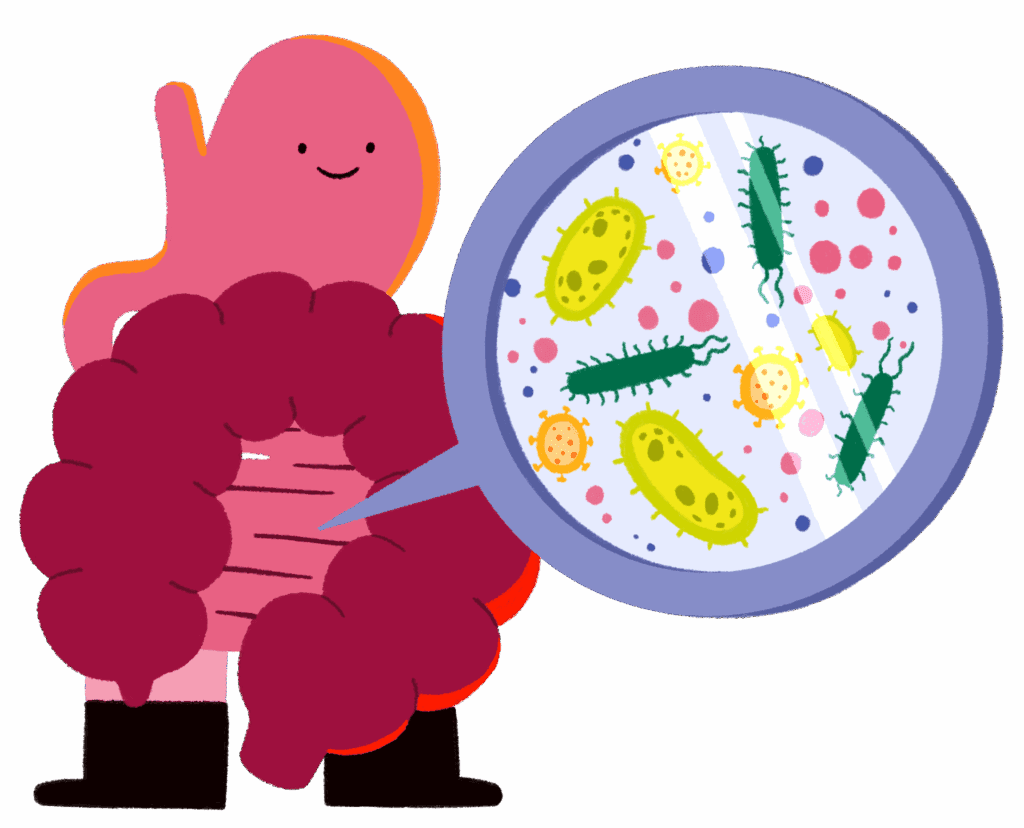
The essential roles of gut microbes
Your gut microbiome acts like a control centre. It quietly supports your health through many functions:
1. Digestion & Nutrition
- It helps break down complex foods (like fibre) that your body can’t digest on its own.
- It produces nutrients like vitamin K and some B vitamins.
2. Immune System Support
- It trains your immune system to spot harmful invaders and not to react to harmless ones.
- A healthy gut microbiome helps stop inflammation and autoimmune problems.
3. Mental Health & Brain Function
- Your gut and brain are connected (this is called the gut-brain axis).
Some gut bacteria make chemicals like serotonin. Serotonin is a natural body chemical called a neuromodulator that affects mood, stress, and sleep. Serotonin can be prescribed and is sometimes used as an antidepressant.
4. Metabolism & Weight
- Gut microbes influence how your body stores fat and balances blood sugar.
- An unbalanced microbiome may be linked to obesity and type 2 diabetes.
5. Protection from Harmful Microbes
- Good bacteria in your gut help crowd out harmful ones, reducing your risk of infections.

Signs of an unbalanced gut microbiome
Dysbiosis happens when the balance of gut microbes is disrupted. This means there are too many harmful microbes or not enough helpful ones. Dysbiosis can result from several factors, including a poor diet—especially high sugar or processed foods, stress, lack of sleep, antibiotics, or illness.
This imbalance can lead to problems like:
- Digestive issues (bloating, gas (wind), diarrhoea, constipation).
- Weakened immunity (getting infections more easily).
- Inflammation in the gut and other parts of the body.
- Mood changes (anxiety, depression) due to the gut-brain connection.
- Skin problems, like acne or eczema.
- Metabolic issues, such as weight gain or insulin resistance. Insulin resistance happens in people with type 2 diabetes.
How to support your gut microbiome
To keep your gut microbiome healthy, focus on your diet and lifestyle, and avoid unnecessary disruptions to your lifestyle. Here are some key strategies:
1. Eat a Diverse Range of Foods
- Diversity in your diet leads to a more varied gut microbiome.
- Focus on fruits, vegetables, legumes, whole grains, and nuts. They offer fibre that nourishes good bacteria.
Read Guts UK’s information on healthy eating by clicking here.
2. Consume Fermented Foods
- These foods contain probiotics (live beneficial bacteria and sometimes fungi). These include yoghurt, kefir, sauerkraut, kimchi, miso, tempeh, and kombucha.
Check to ensure the product is also healthy in other respects, for example, it’s not too high in salt, sugar or fat. The NHS website has information on how to check food labels.
3. Prebiotic-Rich Foods
- These “feed” the good bacteria in the gut. Examples are garlic, onions, leeks, asparagus, bananas, oats, and Jerusalem artichokes.
4. Limit Artificial Sweeteners and Processed Foods
- Studies show that aspartame and other artificial sweeteners can harm the gut microbiome.
- Highly processed foods can reduce gut microbiome diversity. Examples are processed meats (sausages, burgers, ham, salami), white bread and processed cheese.
5. Avoid Overuse of Antibiotics
- Only take antibiotics when necessary and prescribed. They can kill both harmful and beneficial bacteria. However, if you are prescribed antibiotics, always complete the course.
6. Exercise Regularly
- Physical activity is associated with a more diverse and balanced gut microbiome. Visit the NHS’s Live Well information on exercise for suitable examples.
7. Manage Stress
- Chronic stress can negatively affect your gut microbiome. Practices like meditation, deep breathing, or yoga may help.
8. Sleep Well
- Aim for 7–9 hours of quality sleep per night. Circadian rhythms are your body’s natural 24-hour clock, governing the sleep-wake cycle, for example. The rhythms influence the balance of gut microbiota.
9. Stay Hydrated
- Water helps maintain the gut mucosal lining, which helps protect the barrier of the intestines and supports good bacteria.

The future of gut health research
How do scientists look at the gut microbiome?
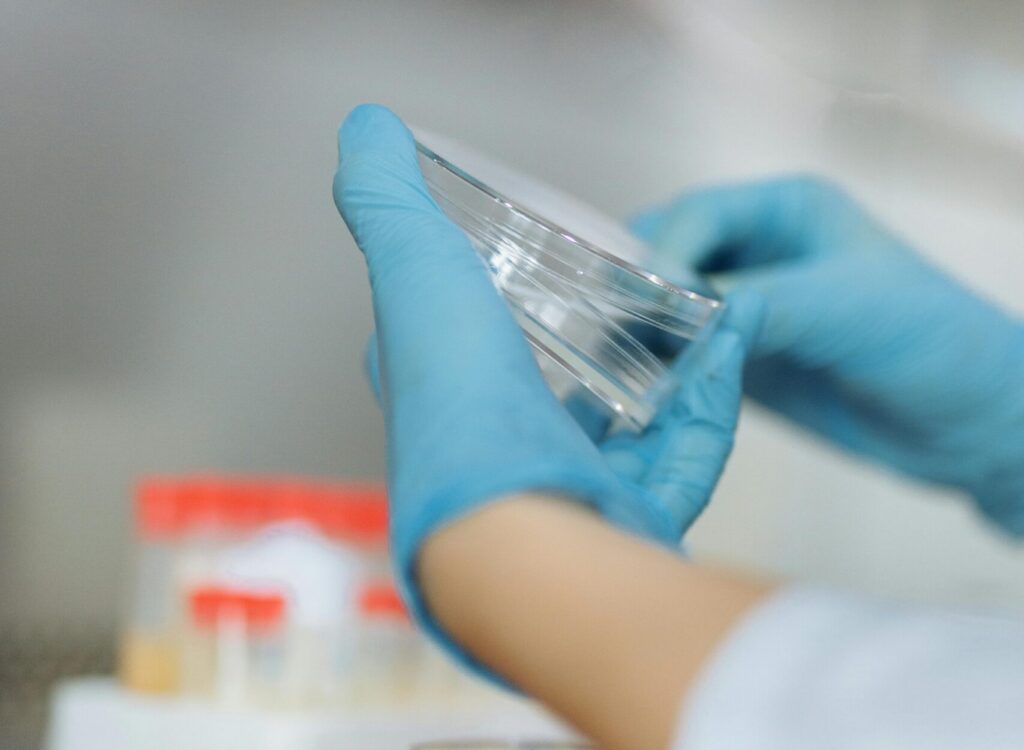
Checking your gut microbiome typically involves analysing a stool (poo) sample. Poo samples are collected in special collection tubes and sent to a processing laboratory where the DNA is extracted, and the types and abundance of the different bacteria are defined. Your findings can then be compared to databases to generate a report of your gut microbiome health.
Should I get my gut microbiome checked?
Guts UK do not recommend commercial microbiome (poo) tests. It is important to emphasise that a gut microbiome report cannot diagnose a disease. The science to interpret gut microbiome data is still evolving and many approaches lack regulation. Also, the gut microbiome changes over time and is influenced by diet, stress, climate and geography, so a single gut microbiome assessment will not provide a holistic impression of your gut microbiome. If you wish to know more about commercial microbiome tests, read our Gut Microbiome (Poo Testing) information online, contact [email protected] or call 0207 486 0341 for a paper copy of the leaflet.
How will the gut microbiome impact future healthcare?
The future for the gut microbiome in healthcare is hugely exciting! We continue to uncover links between the gut microbiome and a wide range of conditions. There is still so much to learn, however, in the future, we can expect:
- Microbiome-based diagnostics. Using gut microbiome screening or ‘biomarker discovery’ to help earlier disease detection for more health conditions
- Disease risk reduction. Modifying the gut microbiome through diet and lifestyle interventions
- Personalised medicine. Using gut microbiome information to tailor disease management, including treatment options.
- Microbiome-targeted treatments. Development of more drugs derived from the gut microbiome, such as novel probiotics and products derived from our experience of faecal microbiota transplantation (FMT). FMT is a treatment where a poo sample from a healthy donor is used to treat a person who has an illness. Currently, this is only used to treat a recurring C. Difficile bacterial gut infection.
Learn more


This leaflet was published by Guts UK charity in February 2026 and will be reviewed in February 2028. This leaflet was written by experts in the gut microbiota and has been subject to both lay and professional review. All content provided is for information only. The information found is not a substitute for professional medical care by a qualified doctor or other health care professional. We currently use AI translation tools on our website, which may not always provide perfect translations. Please check for further explanation with your doctor if the information is unclear. ALWAYS check with your doctor if you have any concerns about your condition or treatment. The publishers are not responsible or liable, directly or indirectly, for any form of damages whatsoever resulting from the use (or misuse) of information contained or implied by the information in this booklet. Please contact Guts UK if you believe any information in this leaflet is in error.