 If you celebrate the festive season, many of us can tend to ‘overindulge’, and our diets and eating habits change. Many social aspects of festive celebrations revolve around food and drink, and this can feel both physically and emotionally heavy. Whether you and your guts are friends or not, we’ve put together a guide to understanding your guts this festive season.
Please note: these tips may not be suitable for people with a digestive condition. It’s important to follow medical advice from your doctor, who knows you and your condition.
In the UK, our research found that 58% of people are embarrassed to talk about their digestive condition or symptoms. Our guts deserve better. The role our digestive system plays contains some of the most natural processes on the planet, and it’s high time we gave our guts the understanding and acknowledgement they deserve.
Knowing your normal
It’s important to know what’s ‘normal’ for you and when to seek medical advice.
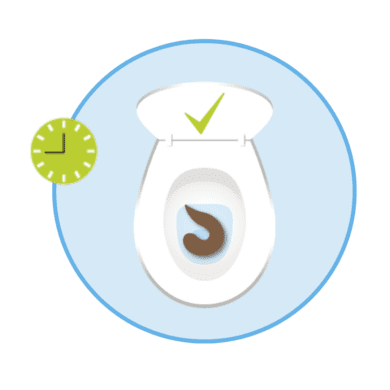
When it comes to our guts, your poo is an indication of your health. Our Poo-Torial can tell you a little bit about what the colour, consistency and frequency of your poo could indicate.
If you have digestive symptoms or problems with your poo, it’s vital you get the right diagnosis. The What’s Up With My Gut website makes the process of diagnosis easier to understand and less overwhelming, with a step-by-step guide to support you in understanding the actions your GP might take. This can help you to understand when to see a GP and get the most out of your appointments, and understand which conditions your GP might look into and what tests or investigations they might consider.
Digestive tips for the festive season
From constipation and diarrhoea to heartburn and reflux, check out our top tips to avoid the following symptoms this Christmas…
You experience a change in your bowel habits
When it comes to bowel habits, it’s normal to open your bowels between three times a day and three times a week, but it’s important to know what your normal is. You may experience a change in bowel habit over the festive season. This is typically because of lifestyle factors and is usually short-term. However, if symptoms persist longer than 2-3 weeks, or if any red flag symptoms occur, such as unintentional weight loss, blood in poo or swallowing problems, you should contact your doctor.
Constipation
You may experience short-term constipation, which can occur with a change in daily routine. Winter holidays can mean less activity and possibly lower fibre intake due to a short-term change in diet.
- Try to stay active. If the weather permits, go for a walk outdoors or take part in some indoor games that include some physical activity.
- Continue to include fruit, vegetables and wholegrain starchy carbohydrates into your food choices where you can. This can keep your fibre intake up and help to prevent constipation.
- If you are not used to including these foods in your diet, then introduce them into your diet slowly, to allow your bowel to adjust to more fibre.
- Drink plenty of fluids to help the fibre move through your bowel. At least 8 cups per day is recommended. If you have alcohol during the day, you might need to increase this amount.
- Listen to your body. When you feel the urge to go, try not to put it off. Responding to your bowel’s natural pattern can help keep things moving.
 Diarrhoea
Diarrhoea experienced over the festive season could be caused by food poisoning.
You are more likely to get food poisoning at Christmas because people are cooking for more people than usual, the fridge is often overladen with food, and dishes brought to events might be stored at the wrong temperature for too long. All this can mean that microbes can grow in the food, which can cause food poisoning.
To avoid food poisoning, follow these food hygiene tips:
- When transporting food, keep raw and cooked items in separate bags and if you are going to be a while then use cool bags or freezer boxes with icepacks to keep food cool.
- Raw foods should be stored away from foods that are cooked in the fridge – ideally store raw foods below cooked food and cover all foods to avoid juices dripping from raw to cooked dishes.
- Wash your hands before preparing food and in between handling raw and cooked food. Be sure to clean surfaces after preparing raw food.
- Keep food cool – ideally fridges should be 5 degrees or below. Use a thermometer to check the temperature.
- Use food within it’s use by date – the ‘use by’ date is about how hygienic the food is, and food should not be frozen, cooked or eaten after the date has passed.
- Don’t overfill the fridge as it can be difficult to see what food is in the fridge – contamination and use of food over the use by date might be more likely.
- Do not wash raw turkey or large pieces of raw meat, this can spray contamination on work surfaces.
- If the turkey needs to be defrosted it should be done in the fridge and it can take a few days, so plan well ahead. Follow the instructions on the packaging on how to defrost and cook the turkey. Do not defrost it unevenly as this can mean it might not reach a temperature in the oven that kills the bacteria.
- Do not fill the body cavity with stuffing as this can take longer to reach a safe temperature – cook the stuffing separately.
Food poisoning for most people is a self-limiting illness and usually resolves within a few days. However, the NHS advises that you should seek medical help if any of the following occur:
If diarrhoea lasts for more than 7 days or vomiting for more than 2 days.
If you keep being sick and can’t keep fluids down.
If you notice blood in your diarrhoea or are bleeding from the bottom.
If you suspect you are dehydrated.
Please seek immediate medical attention if you notice any of the following:
If you vomit blood or your vomit looks like ground coffee.
If your vomit is green.
If you may have swallowed something poisonous.
If you have a stiff neck and pain when looking at bright lights.
If you get a sudden, severe headache.
If you get sudden, severe tummy pain.
If your skin, lips or tongue looks blue, grey, pale or blotchy. On brown or Black skin, this can be easier to see on the palms of the hands or soles of the feet.
If you’re struggling to breathe or taking lots of quick, short breaths.
If you feel confused or are not responding as you usually would.
Note: This advice is for adults. Please contact your GP or NHS 111 if you are concerned about a child with symptoms.
 You experience wind and bloating
Wind and bloating are different symptoms, and wind can occur without bloating. Bloating is described as an uncomfortable feeling of fullness or pressure and this can sometimes be accompanied by a widening of the girth, called distension.
Most people will feel uncomfortable if they have ignored their “full” signals from their stomach and consumed a particularly large meal, and this would be a normal physiological response to overeating. Rich meals that have a high content of fat can also delay the emptying of the stomach, which can be another cause of bloating.
If bloating is persistent or associated with unintentional weight loss, abdominal pain, diarrhoea, changes in your bowel habits, appetite loss, or increasing need to pee, you should see your doctor as it could be a symptom of a more serious condition. If you were born female and have ovaries, you should be tested for ovarian cancer with a simple blood test.
Passing wind is a natural process, and whether someone admits to it or not, we all do it. The first food that comes to mind when talking about the festive season is Brussel sprouts. They have a notorious reputation when it comes to wind!
There are other causes of increased wind. Swallowed air, carbonated drinks, chewing gum, smoking, and eating quickly can also introduce air into the gut. People shouldn’t be too concerned about short-term wind during the festive season if they have changed their lifestyle, unless they notice a more persistent change and other symptoms. These are difficulties in swallowing, burping associated with chest discomfort or pain (particularly if the chest discomfort is associated with exercise), diarrhoea, bloating, blood in poo, abdominal pain, or unintentional weight loss.
Some tips that might help to reduce wind and bloating:
- Chew food well and take time eating your meal as this can reduce swallowed air.
- Reduce the amount of fizzy drinks you have in mixers or reduce the fizz by stirring a fork around fast (over the sink – they cause a bit of a mess!)
- If you find that rich meals and beer and wine are making wind smellier, perhaps choose an alternative drink to have instead and opt for smaller portion sizes.
You get indigestion, heartburn and reflux
Most people will experience indigestion, which is a symptom (also known as dyspepsia), and is a term used to describe unpleasant or even painful sensations at the top of the abdomen or in the lower part of the chest. This happens after eating a fatty or spicy meal or if a meal is eaten too quickly. It also can happen when we have had too much to eat, and this is often the case over the Christmas period. With average calories consumed increasing over the Christmas period, it would not be surprising that people can experience indigestion.
Heartburn and reflux are common, with one in four people experiencing symptoms. Heartburn is a pain in the centre of the chest that occurs after eating, lying down, or bending over and is often described as ‘burning’. Acid reflux is the regurgitation of stomach contents, including acid, into the gullet.
Heartburn and reflux symptoms can also be experienced over the Christmas period. Here are some tips to consider that might be helpful to prevent some symptoms. Aim for two or three that you feel might fit best into your lifestyle:
- Include breakfast on Christmas day so you are less likely to feel hungry at lunchtime and are therefore less likely to want to overeat.
- Chew your food well and take our time over meals. Allow gravity to help, this does mean sitting upright when eating, not slouching whilst eating in front of the afternoon Christmas blockbuster film.
- Clothing that is looser is probably a better choice to wear.
- It is probably a better option to avoid constant grazing through the day too – plan meals and snacks with breaks in between.
- Another consideration might be to plan what days through the holiday period you are going to celebrate and indulge. If you have days of eating your usual diet in between celebration days, then this will also help. It also means that you are more likely to enjoy the celebration days and not worry about eating too much.
- Leave three hours between your evening meal and going to bed.
- Propping the head of the bed up with blocks or bricks can help reduce night time reflux.
- Include a soft drink in between alcoholic drinks, this will reduce your overall alcohol intake and help to keep you hydrated (although be careful of sugar content).
Some antacids and medications can be considered during this time to reduce short-term symptoms of indigestion, heartburn and reflux. You can also ask a pharmacist about treatment.

Symptoms that shouldn’t be ignored if they continue
Don’t ignore your symptoms if they continue. Do see your doctor if, for 3 weeks or more, you experience:
- Food getting stuck in your gullet, you are frequently being sick or have any unintentional weight loss.
- Lifestyle changes and pharmacy medicines aren’t helping.
- You have heartburn, indigestion, hiccups, or an unpleasant taste in your mouth most days.
Lisa’s story
Lisa, who has chronic intestinal pseudo-obstruction (CIPO) and achalasia, shared her experience of a past Christmas:
“The festive season is often described as a time of indulgence, big meals and togetherness. But for someone living with digestive conditions, it can look very different. In my case, Christmas has marked some of the most challenging and transformative moments in my journey.
One Christmas, whilst my family enjoyed their meal, I couldn’t even take a sip of water. It’s an isolating feeling when so much of the season revolves around food and celebration, yet your body simply won’t allow it.”

Rachel’s story
Rachel’s gastroparesis symptoms began when she was 18 years old. She experienced vomiting episodes for over a year, which resulted in weight loss. She was desperate for answers about the cause. It took Rachel four years to get a diagnosis of gastroparesis. As we get ready to get absorbed in the festivities, Rachel told us how Christmas can be a difficult time for her.
“Having gastroparesis around seasonal holidays like Christmas and New Year brings additional pressures for me. This time of year is all about breaking bread with loved ones, sharing delicious treats, big hearty meals and a little tipple. For me, it’s a season of being stricter.
It’s so easy to become wrapped up in all the goodness of the holidays, so much that you become pressured to consume more than you would, resulting in high risk of flare-ups and illness. You can so easily drop your strictest practices of survival by simply wanting to ‘be normal’.”