



Steve’s bowel cancer story
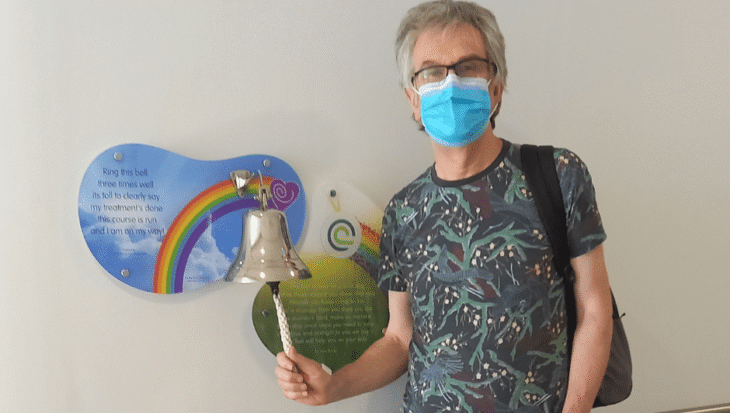
Steve shares his bowel cancer story and shares, “If you have blood in your poo, it needs checking out. Don’t put it off.”

The festive season can bring joy, laughter and time together, but it can also feel overwhelming, especially for someone living with a digestive condition. Small adjustments and understanding from those around them can make a big difference.
Supporting a loved one doesn’t need to be complicated. From listening and being patient to offering practical help, here’s our guide to helping your loved one with a digestive condition feel supported this festive season.
Understand that they may not feel like celebrating in the same way you do. For some, the festive season highlights what they have to deal with on a daily basis. This can feel very heavy.
The festive season is often pictured as a time of joy, family meals and social gatherings, but for some living with a digestive condition, it can feel very different. Being patient, listening and showing empathy can make a real difference.
It can help to ask gentle questions such as:
These questions can give them space to share how they’re feeling and help them feel understood without pressure.

Socialising can be exhausting, especially for someone affected by a digestive condition. If they need to bow out and recharge, let them – it’s not personal.
Digestive conditions can make energy levels unpredictable, and even a short time spent on their feet or in a busy room can feel overwhelming. Offering space without pressure allows them to manage their symptoms and take part in the celebrations in a way that works for them. A quiet moment alone, a comfortable chair, or a gentle check-in can make all the difference in helping them feel supported and included.

Phrases like this or “just try a bite” might seem harmless, but can feel dismissive of what they’re experiencing. Remember, digestive conditions aren’t always visible.
Someone may look fine on the outside while dealing with pain, nausea, bloating, or fatigue on the inside. Comments that minimise their experience can make them feel misunderstood or pressured. Don’t make assumptions, and listen without judgment.

Giving them a heads-up lets them plan ahead and decide if they’ll bring their own food or drinks. Offer to explain their dietary needs to others if they’d prefer not to.
Knowing what’s on the menu can reduce anxiety. For someone with a digestive condition, unexpected foods or ingredients can trigger symptoms, so having a plan in place makes the experience more comfortable and enjoyable for everyone.

Things like checking if they need a comfortable seat or helping them prepare their meal can go a long way in easing stress. For someone with a digestive condition, even small tasks can feel exhausting, so offering a hand shows care and consideration. You could help with carrying plates, topping up drinks, or making sure they have easy access to the bathroom. Sometimes, just being attentive and ready to help quietly can make the experience far more enjoyable for everyone.

Unexpected symptoms can throw a wrench in plans. Let them know it’s okay to cancel or reschedule without guilt.
For someone living with a digestive condition, even well-laid plans can suddenly become too much to manage. Being understanding and patient can take away the pressure. Offer alternatives like joining later, taking part in quieter activities, or having a relaxed day at home instead. Showing flexibility reassures them that their health comes first and that enjoying the festive season doesn’t have to mean pushing through discomfort or feeling anxious.

It’s easy for the conversation to revolve around health, but they’re more than their digestive condition. Check in about hobbies, interests, or fun memories to brighten their day.
Showing genuine interest in the things they enjoy can make them feel seen and valued beyond their symptoms. Ask about books they are reading, shows they are watching, or any projects they are working on. Sharing laughter or simply listening to their thoughts can help create moments of connection and normality, reminding them that the festive season is about more than managing a condition.

If they say no to certain foods, drinks, or activities, take it at face value. Not finishing a meal or saying no to food is not rude. They know what’s best for their body.
Boundaries are an important way for someone to manage their digestive condition. It can also help to offer alternatives or options that they feel comfortable with, such as different foods, drinks, or ways to participate in activities, so they can still enjoy the occasion without feeling pressured.

So much of the season revolves around eating, which can be isolating for those with dietary restrictions. Suggest non-food-focused activities that everyone can enjoy. This could be anything from going for a walk to watch the lights, playing games, doing a festive quiz, or watching a favourite holiday film together.
Including activities that do not centre around food can help everyone feel involved. It also reduces pressure on your loved one and allows them to enjoy the social side of the season without worrying about what they can or cannot eat.

Digestive conditions don’t take holidays. Small, consistent acts of care and understanding make a big difference in how supported they feel. Being patient and considerate throughout the year helps your loved one feel seen and valued, not just during the festive season!

Lisa, who has chronic intestinal pseudo-obstruction (CIPO) and achalasia, shared her experience of a past Christmas:
“The festive season is often described as a time of indulgence, big meals and togetherness. But for someone living with digestive conditions, it can look very different. In my case, Christmas has marked some of the most challenging and transformative moments in my journey.
One Christmas, whilst my family enjoyed their meal, I couldn’t even take a sip of water. It’s an isolating feeling when so much of the season revolves around food and celebration, yet your body simply won’t allow it.”

Rachel’s gastroparesis symptoms began when she was 18 years old. She experienced vomiting episodes for over a year, which resulted in weight loss. She was desperate for answers about the cause. It took Rachel four years to get a diagnosis of gastroparesis. As we get ready to get absorbed in the festivities, Rachel told us how Christmas can be a difficult time for her.
“Having gastroparesis around seasonal holidays like Christmas and New Year brings additional pressures for me. This time of year is all about breaking bread with loved ones, sharing delicious treats, big hearty meals and a little tipple. For me, it’s a season of being stricter.
It’s so easy to become wrapped up in all the goodness of the holidays, so much that you become pressured to consume more than you would, resulting in high risk of flare-ups and illness. You can so easily drop your strictest practices of survival by simply wanting to ‘be normal’.”

Guts UK is the national charity for the whole digestive system.
Our mission is to improve the lives of the millions of people affected by digestive conditions.
Our work spans three main areas: information, awareness and research:






Steve shares his bowel cancer story and shares, “If you have blood in your poo, it needs checking out. Don’t put it off.”
Griffin shares his experiences with IBS. He wants others to know that digestive conditions, such as IBS, and their impact on people need more awareness.

By submitting this form, you are consenting to Guts UK contacting you by email as detailed above. To make any changes to your preferences you can email us on info@gutscharity.org.uk or by calling us on 020 7486 0341. Your details are safe with us. Please read our Privacy Policy for more details.