



Steve’s bowel cancer story
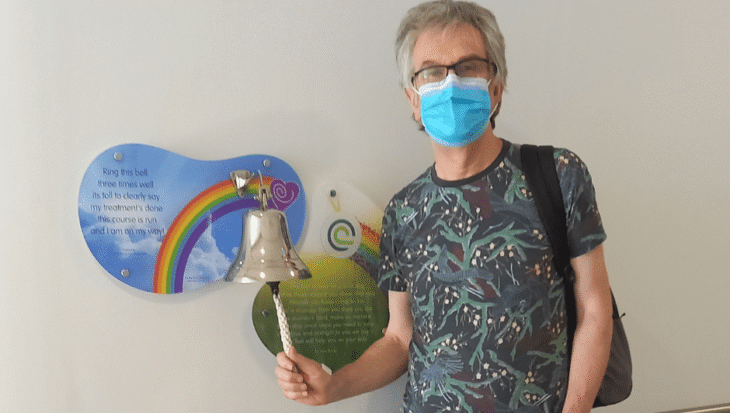
Steve shares his bowel cancer story and shares, “If you have blood in your poo, it needs checking out. Don’t put it off.”
Posted: 31st March 2021
Updated: 21st February 2024
 Did you know that Irritable Bowel Syndrome (IBS) affects approximately 1 in 20 of us in the UK? That is 3.2 million people! If you’re not affected by IBS yourself, it’s likely you have friends or family members who are. This IBS Awareness Month, it’s time to give our guts the attention they deserve!
IBS is a disorder in the gut-brain axis (the way the gut and the brain communicate with one another). The gut and brain are a two-way communication system that ‘talk’ to each other very often. When you feel hungry, your gut is talking to your brain. When you have butterflies in your stomach, your brain is talking to your gut. Sometimes these two organs can overshare information and because people with IBS have an ‘overly sensitive gut’, this can result in symptoms.
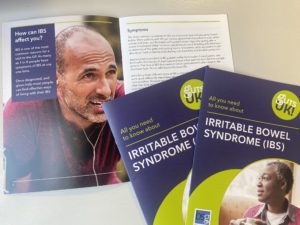 What are the symptoms of IBS?
The symptoms of IBS are abdominal pain or discomfort, diarrhoea, constipation or a mixture of both. Approximately one third of those with IBS suffer from bouts of constipation, one third suffer from bouts of diarrhoea and most other people don’t fall into a single pattern. Other symptoms include bloating and urgency. IBS affects more women than men, and affects all ethnicities.
“When I was first diagnosed with IBS I felt like a lost cause, compared to all the ‘severe’ conditions like bowel cancer or Crohn’s disease. IBS never felt like enough to warrant a specialists attention, but it was hugely affecting my life.
I have learnt to better manage my IBS, but still too many people dismiss my IBS as ‘just an upset tummy’. Guts UK and similar charities do such amazing work to break down the the taboos surrounding our guts and getting people to talk about their symptoms! Too many people just dismiss their symptoms, thinking it’s not enough to seek help for.” – Lara. Read Lara’s story here.
Treatments are very individual, as they vary depending on your symptoms. They can include medications, diet and lifestyle factors. It is important to work alongside your doctor with the treatments you would like to try, but please remember that IBS symptoms are individual. What works for one person might not always work for another.
There are some very simple changes you can make to your diet that may be helpful to reduce your symptoms. It is important that you work alongside a registered dietitian that is trained in treating people with IBS before making any drastic changes to your diet. Dietitians are available to see within the NHS – ask your consultant or GP for a referral.
 Donate: Help the UK get to grips with guts by signing up to donate £3 a month to Guts UK.





Steve shares his bowel cancer story and shares, “If you have blood in your poo, it needs checking out. Don’t put it off.”
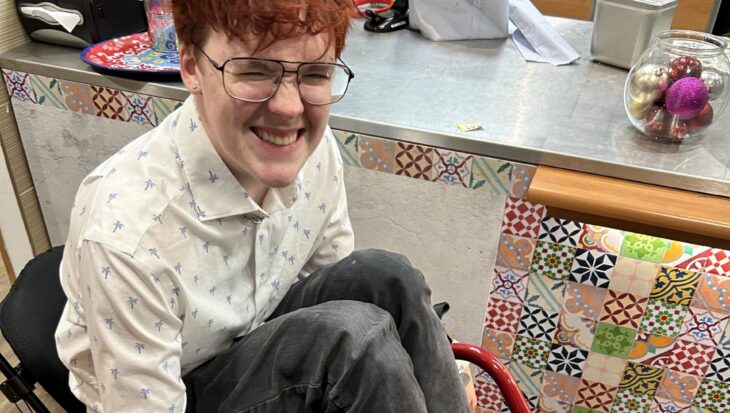
Griffin shares his experiences with IBS. He wants others to know that digestive conditions, such as IBS, and their impact on people need more awareness.
By submitting this form, you are consenting to Guts UK contacting you by email as detailed above. To make any changes to your preferences you can email us on info@gutscharity.org.uk or by calling us on 020 7486 0341. Your details are safe with us. Please read our Privacy Policy for more details.